A traditional silica gel plant upgraded its cat litter technology, increasing registered capital 59-fold in seven years and leading industry standards.
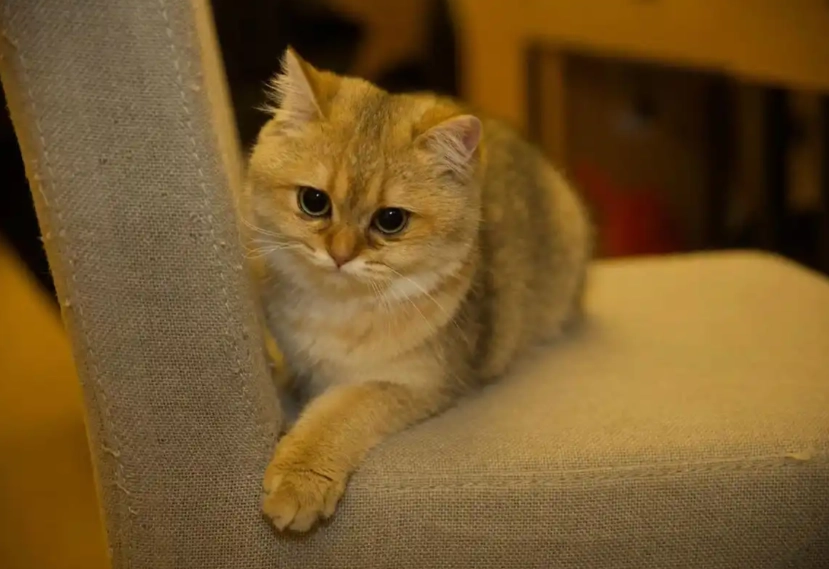
When a cat litter company in Tengzhou, Zaozhuang, Shandong, formally "hired" 48 cats as product experience officers, using litter boxes as their workstations to test color-changing silica gel cat litter through excretion, and it trended on social platforms, most onlookers were immersed in the emotional pleasure brought by cute-pet marketing. However, pulling one's gaze away from the surface topic of cute-pet marketing and following this company's astonishing capital leap and industry standard positioning over the past nearly two decades makes it clear: This is by no means a simple internet-celebrity-style gimmick stunt, but a classic industrial breakout by a family manufacturing workshop deep in the traditional chemical industry belt of southern Shandong, which, relying on the industrial transfer of silicone material modification technology, keenly entered the blue ocean of the global pet economy and firmly seized the right to define a niche category.
From Industrial Raw Material to High-End Cat Litter: The Consumer Upgrade Path of Silica Gel
In the context of traditional industry, silica gel has long been defined within the extensive raw material categories of industrial desiccants, catalyst carriers, or rubber additives. Relying on abundant mineral and chemical resources, the southern Shandong area once gathered a large number of highly homogenized silica gel primary processing plants, which for years were mired in low-value-added raw material exports, selling by the ton, and meager profit margins. However, with the explosion of the "anthropomorphic pet raising" trend at home and abroad, deodorization, water absorption, and dust control of pet excrement have become core pain points for cat owners.
The porous adsorption characteristics of silica gel and its low-dust physical structure naturally fit the material requirements of high-end cat litter; further adding acid-base color-changing indicators to monitor cats' urinary health directly transformed a bag of industrial raw material into a consumer upgrade product with medical-grade premium pricing.
Family Partnership and 59-Fold Capital Increase: The Capital Foundation of a Hidden Manufacturer
Following the commercial history foundation to penetrate the equity base of this hidden manufacturer, its nearly two decades of family industrial accumulation are clearly presented in Tianyancha archives. Tianyancha business registration data shows that the operating entity, Shandong Xinhua Silica Gel Co., Ltd., was established in February 2007, with its registered address in Tengzhou City, Shandong Province, and its legal representative as Qiu Xingya. In the equity map penetrated by Tianyancha, Qiu Ronglin, Qiu Xingya, and Qiu Xingdong jointly locked down 100% of the equity through a family partnership, forming a typical control structure of blood ties and highly centralized control.
The more striking data is hidden in the capital change records deposited by Tianyancha.
In 2008, the registered capital of this small and micro enterprise was only a mere 500,000 RMB. In the subsequent years of operation and multiple rounds of additional investment, its registered capital soared all the way to the current 30 million RMB, with an increase of exactly 59 times. During a macro cycle in which small private chemical plants were shutting down and exiting on a large scale, a private entity being able to continuously reinvest its own profits to build nearly sixty times its capital volume directly exposed the extremely profitable cash-generating capacity of high-end pet silica gel cat litter, far exceeding ordinary bulk chemical raw materials.
Standard Moat: The Struggle for Discourse Power from Product to Industry Specification
Even more aggressive than mere capital injection is the "standard moat" it has built in a segmented industrial category.
Intellectual property information disclosed by Tianyancha shows that Shandong Xinhua Silica Gel once led the drafting of multiple currently effective enterprise standards and industry technical specifications, including "crystal cat litter" and "tofu cat litter specifications." In the underlying game of industrial manufacturing, third-rate enterprises make products, second-rate enterprises make brands, and first-rate enterprises make standards. The cat litter track has long been in disorderly competition with low entry barriers, rampant copycat small workshops, and excessive dust and heavy metals.
A source factory with nearly two decades of research and development heritage in inorganic silicon materials, by solidifying in advance the particle hardness, water absorption rate, dust removal grade, and chemical indicator stability of crystal silica gel cat litter into industry reference specifications, has in effect used technical parameters to build an extremely high compliance barrier at the physical level, completely shutting OEM labelers lacking raw material purification and laboratory testing capabilities out of the high-end supply chain.
"48 Cat Employees": A Live Tolerance and Functional Testing Laboratory
As for the "48 cat employees" pushed onto the trending topics by public opinion, in the real logic of industrial research and development, it is essentially a standardized "live tolerance and functional biological testing laboratory."
For high-end functional cat litter (such as urinary color-changing detection cat litter), it is not difficult to get the formula working in laboratory beakers and chemical reagents, but real pet urine composition is complex and subject to multiple interferences from diet, water intake, and excretion stress, and cats, as an extremely picky species, have strong resistance to litter particle feel and odor masking. If one simply works behind closed doors based on blueprint data, it is very easy to cause color-changing failure or rejection by end consumers due to poor palatability.
Building a real cat toilet-use testing database not only solves the last-mile functional verification problem before the product moves toward commercial mass production, but also, with the highly contrasting narrative of "cat employees," conveniently opens up brand mindshare that directly reaches end consumers.
Enlightenment for Traditional Manufacturing's Breakout: From 500,000 to Industry Definer
This history of cat litter evolution in Zaozhuang, Shandong, releases an extremely pragmatic and realistic revelation for the vast number of small and medium-sized enterprises in China's traditional manufacturing sector: Industrial upgrading does not necessarily require stubbornly tackling advanced-process chips or rockets and satellites. Even in the most traditional inorganic chemical track, as long as one can perceive the most hidden human pain points at the consumer end, seamlessly weld cold industrial raw materials with high-frequency emotional consumption, and step by step transform production capacity accumulation into discourse power over industry standards, a township small factory that started with only 500,000 can likewise smash through its own high-profit moat in the deep waters of a segmented industry.