Tencent forms MOBA IP spinoff firm led by Huang Lingdong
Tencent set up wholly owned Shanghai Yueta Digital Technology with 10 million yuan, led by esports veteran Huang Lingdong, to expand MOBA IP content and monetization.
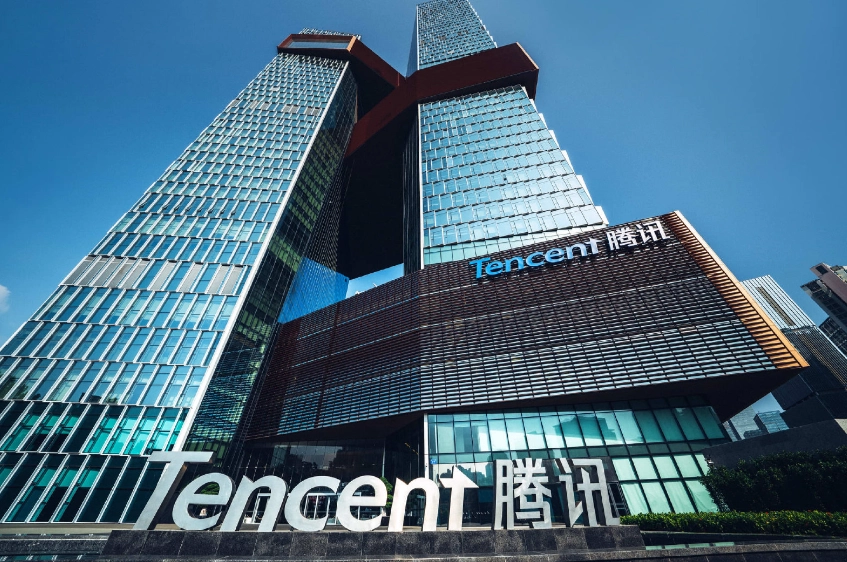
Tencent has set up a Shanghai digital technology unit with 10 million yuan in registered capital, placing a veteran executive behind Riot Games’ China ecosystem and esports business in charge.
The move signals Tencent’s push to turn long-running competitive game franchises into animation, spinoff games and other digital cultural products beyond their original titles.
Shanghai Yueta Digital Technology has been established with registered capital of 10 million yuan (about $1.41 million). Its legal representative is Huang Lingdong, a Tencent vice president with long experience in Riot Games’ China ecosystem and esports operations.
The company’s business scope includes digital cultural and creative software development, animation and game development, and software development. Its name, Yueta, references “diving under the turret,” a signature tactic in multiplayer online battle arena, or MOBA, games.
Wholly owned by Tencent
Corporate records database Tianyancha shows Shanghai Yueta Digital Technology was recently established. Huang is listed as its legal representative.
Equity information shows the company is wholly owned by Tencent Technology (Shanghai). The structure follows Tencent’s common approach of setting up specialized entities for mature business lines.
Huang’s MOBA and esports background
Since joining Tencent, Huang has overseen the China publishing of League of Legends and led TJ Sports, where he also served as legal representative. He has been closely involved in top-level domestic esports commercialization and the localization of Riot Games’ intellectual property in China.
That background points to the new unit’s role: converting established competitive game IP into animation, spinoff games and digital cultural products, rather than operating as an early-stage technology incubator.
Long-running games and an IP development platform
Tencent has repeatedly emphasized its focus on long-running games. Major MOBA titles including League of Legends and Honor of Kings remain core parts of its games business.
Reliance on in-game skins and battle passes faces constraints as users’ time becomes fragmented and aesthetics age. The global success of Arcane, along with virtual idols and comic adaptations, has shown competitive games can expand into broader cultural symbols.
Tianyancha records put digital cultural creative software and animation-game development near the top of the new unit’s listed activities. By basing the entity in Shanghai, Tencent appears to be consolidating IP spinoff work previously spread across publishing and licensing teams into an industrialized content-development platform.
Shanghai talent and industrial chain
The location also reflects competition for creative talent in Shanghai. The city is home to miHoYo, Hypergryph and Papergames, companies known for long-term industrialized IP operations and anime-style content.
Shanghai has one of China’s most complete supply chains for animation and creative software development. A local entity gives Tencent a stronger base for recruiting digital art directors, story planners and animation teams in the Yangtze River Delta.
It could also help Tencent access local support policies and computing infrastructure tied to Shanghai’s push to become an esports and digital creativity hub.
Testing cross-media returns
The new unit still faces the challenge of turning cross-media expansion into commercial returns.
Long development cycles
High-quality animation and story-heavy spinoffs can require years of upfront spending, unlike mobile games that rely heavily on paid user acquisition and generate returns faster.
Under Tencent’s cost controls and return-on-investment reviews, Yueta must build a paid content pipeline without weakening the IP it is using.
Demanding core players
Core MOBA players also scrutinize worldbuilding, character backgrounds and combat details. Other game companies have faced backlash from fans when comic crossovers or spinoff games contained inconsistent settings or offered mediocre quality.
Yueta will need to balance commercial development with those expectations and avoid producing content that feels like little more than fan merchandise.
Outlook
The Tianyancha filing marks another focused step by Tencent to reinforce its core games business. Huang and Yueta now face the task of turning competitive gaming IP into lasting cross-media value.
Whether that esports heritage can create a second growth engine beyond the games themselves will depend on the quality and commercial performance of the content the new unit delivers.