CNPC Kunlun Capital Boosts Capital to 26.1B Yuan
CNPC Kunlun Capital has raised registered capital by 11.4 billion yuan to back new-energy investments as oil demand growth slows.
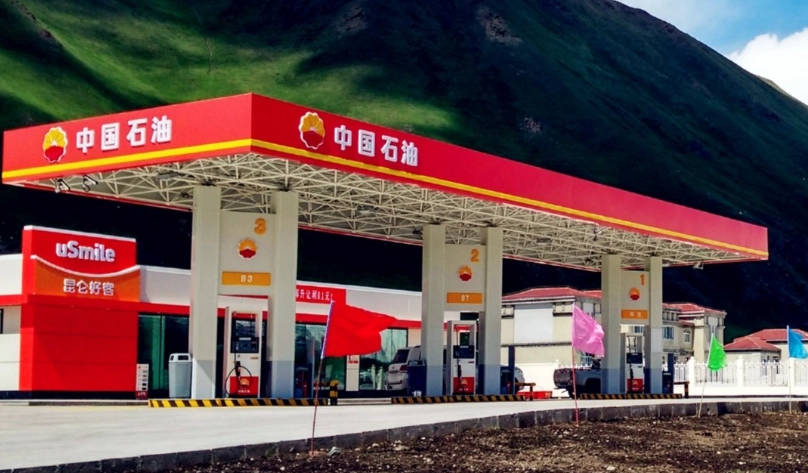
CNPC Kunlun Capital has raised its registered capital by 77% to about 26.11 billion yuan, becoming one of China’s largest corporate venture capital platforms.
The increase comes as the country’s risk-capital market grapples with weak liquidity and fundraising pressure. For state-owned energy giant CNPC, the move signals a defensive push into next-generation energy technologies as gasoline demand approaches a peak.
Corporate records platform Tianyancha shows CNPC Kunlun Capital recently completed the business registration change. Its registered capital rose from about 14.72 billion yuan to about 26.11 billion yuan. Tang Lin is listed as its legal representative.
The company is controlled by three state-owned entities: China National Petroleum Corporation, PetroChina and CNPC Capital.
A countercyclical increase
Kunlun Capital was established more than three years ago, when it was largely viewed as a standard strategic-investment arm of a large central state-owned enterprise.
The latest increase, adding more than 10 billion yuan in registered capital, marks a much bigger commitment. It follows rapid growth in new-energy vehicle penetration in China and expectations that gasoline consumption may peak sooner than previously thought.
Preparing for a fuel-demand peak
CNPC’s traditional cash flow has relied heavily on oil and gas exploration, production, refining and its nationwide network of fuel stations.
That business is facing pressure from battery-swapping for heavy trucks, methanol-hydrogen technologies, electrified urban logistics and broader adoption of electric passenger vehicles.
Kunlun Capital is not framed primarily as a vehicle seeking quick financial returns. Instead, it is intended to help the group track and secure positions in emerging technologies.
Those areas include green hydrogen production, storage, transport and refueling, all-solid-state batteries, electrochemical energy storage, CCUS and sustainable aviation fuel.
A three-shareholder structure
Tianyancha records show ownership split among CNPC group, listed oil major PetroChina and financial platform CNPC Capital.
The structure links the parent group’s strategic planning, PetroChina’s industrial supply-chain needs and CNPC Capital’s licensed financial operations.
With China’s primary fundraising market short of capital, Kunlun Capital’s larger balance sheet could give it stronger bargaining power with early-stage new-energy projects and hard-technology unicorns.
Risk and state-sector assessment
The expansion still leaves a central challenge: hard-technology investing involves high failure rates, while large state-owned petroleum enterprises operate under strict audits, low tolerance for error and asset-preservation requirements.
Early and growth-stage new-energy technologies can require repeated trials and may be disrupted by competing technical routes. Applying conventional state-asset accountability rules too rigidly could make investment teams avoid early-stage risk and crowd into lower-return, later-stage deals.
At the same time, heavy bets on technologies that have not completed engineering validation could expose the company to industry cycles and asset-impairment reviews.
A long-term test
The 26.11 billion yuan registered capital underscores CNPC’s effort to reshape its long-term energy portfolio and supply chain.
The key test now is whether that capital can be converted into durable technology capabilities that help the group navigate the energy transition.