Tibet Gaozheng Minbao to buy copper, lithium assets via share issue
Tibet Gaozheng Minbao plans to buy copper and lithium mining assets from its state-owned parent via a share issue, adding mining to its explosives business.
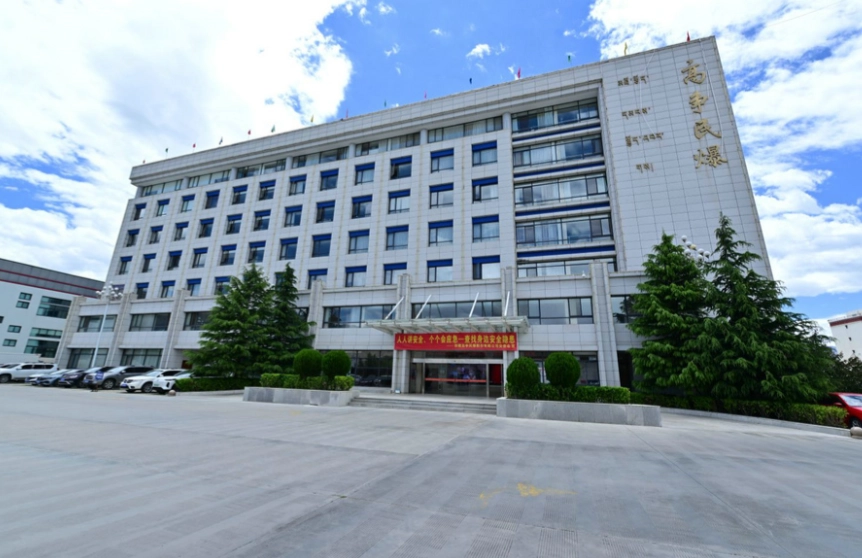
Tibet Gaozheng Minbao plans to buy copper and lithium assets from its state-owned parent by issuing shares, adding mining to its civil-explosives business and testing investor appetite for a cross-sector bet.
The deal is part of a push by Tibet's regional government to consolidate mining assets and list more state-owned resources. For Gaozheng Minbao, it is a route around the ceiling on explosives growth in a single, remote region.
Dual-business plan: copper and lithium for new shares
Gaozheng Minbao disclosed a major asset restructuring plan to buy 51% of Ziyuan Copper and 100% of Shengyuan Mining from controlling shareholder Tibet Geological and Mineral Group. It will pay in shares and raise matching funds from selected investors.
The valuation of the target assets and the final transaction price have not been set. The stock is due to resume trading at the market open on Nov 2.
After the deal closes, the company's business will expand from civil-explosives production, sales and blasting services alone to a dual structure: mine investment and development alongside the existing explosives operations.
The existing business: a regional licence and its limits
Tianyancha, a corporate records database, shows Tibet Gaozheng Minbao Co Ltd was founded on June 8, 2007, with registered capital of about 277 million yuan (about $39 million). Its legal representative is Yu Wenrong, and its registered address is 18 Linqionggang Road, Zone A, Lhasa Economic and Technological Development Area. It was formerly named Tibet Gaozheng Minbao Materials Co Ltd.
The company covers research, production, sales, transport and blasting services across Tibet. Strict permits for handling industrial explosives, together with the region's difficult terrain, have given it a durable local franchise.
But explosives are a consumable tied closely to construction schedules and to stripping work at mines. Once major regional infrastructure projects level off, and with output capped by national quotas, selling explosives and providing on-site blasting offers little room for a second growth curve.
The deeper push: state mining assets and a closed loop
The first driver is a top-level design by Tibet's state-owned sector to consolidate core mining assets and link explosives supply to ore extraction.
The seller, Tibet Geological and Mineral Group, is already the controlling shareholder and holds geological survey work and mining rights. Ziyuan Copper, being injected, holds copper exploration and mining rights including the Mamupu mining area. Shengyuan Mining is a pure holding vehicle whose stakes include shares in Julong Copper and Laguo Resources.
Mines are the largest end customers for explosives, so the two businesses sit naturally along one chain. By injecting mining rights into the listed company, Gaozheng Minbao turns an arm's-length buyer-seller relationship into in-house supply and coordinated extraction. That secures orders for its explosives unit and gives it direct exposure to the higher margins of non-ferrous metal mining.
Hedging a manufacturing cycle with metals
The second driver is a hedge. Copper demand from the energy transition, grid upgrades and computing infrastructure points to a tight supply-demand balance over the medium and long term.
Lithium carbonate prices have fallen sharply, but Tibet's low-cost salt-lake lithium resources still retain a meaningful cost advantage now that prices have steadied at low levels.
Explosives margins, by contrast, are squeezed from both sides: swings in raw materials such as ammonium nitrate and fluctuations in regional construction.
Folding copper and lithium assets into the listed company would lift both total assets and the profit base, moving Gaozheng Minbao from a regional chemical maker earning a few hundred million yuan a year to a resources platform that shares directly in strategic metal earnings.
A target dropped: caution on compliance
The plan also shows caution about regulatory approval. In earlier planning the company considered also taking 51% of Zilong Mining, but it removed that target from the final disclosure.
The move suggests management and the controlling shareholder chose to cut assets that might carry ownership defects or legacy environmental liabilities, reducing the risk of regulatory queries and keeping the core copper and lithium injection on track.
Two tests after trading resumes
Valuation and dilution
The first test is the standoff between the final valuation and dilution of existing shareholders. The company said the issue price for the asset purchase is set at 40.35 yuan per share, while the valuation is still open.
The mines and equity stakes being injected are large. If audit and appraisal reports confirm a valuation of several billion yuan or more, the number of new shares needed to pay for them would be substantial, meaning existing minority holders face significant near-term dilution of their stakes and of earnings per share.
A jump from blasting to high-altitude mining
The second test is operational. Mining investment is asset-heavy and long-cycle, and depends on metallurgical and engineering experience: tunnelling through complex geological faults, maintaining tailings dams within ecological red lines, improving ore recovery and keeping operations running in extreme cold.
Gaozheng Minbao's team has worked in explosives production, storage and on-site blasting. Whether it can take over 51% of Ziyuan Copper and align governance, technical staff and environmental compliance will show how real its transformation from equipment and services provider to mine operator is.
Outlook
The registered capital, the Lhasa development-zone address and the name changes recorded by Tianyancha trace a key Tibetan state-owned enterprise through several industry phases. Tibet Geological and Mineral Group has handed Gaozheng Minbao a package of copper and lithium assets and a way into the mining sector.
But against the realities of commodity cycles and the difficulty of integrating businesses across sectors, the company must still clear two thresholds: valuation approval and operational磨合. That is the hard test it faces with the market now trading its shares again.