Liziyuan names founder's son chairman as profit slides
Li Bosheng, 34, becomes Liziyuan chairman while holding no shares, as his father keeps control and the sweet-milk maker's net profit falls more than 32%.
Li Guoping, founder of Chinese sweet milk maker Liziyuan, has stepped down as chairman, handing the role to his son Li Bosheng, who holds no shares, as the company reported a 32% drop in nine-month profit.
The handover at Zhejiang Liziyuan Food Co. Ltd. puts a 1992-born executive in charge of a company whose flagship drink is losing shelf space to healthier options. It also leaves the founder holding more than half the voting base, even as his son takes the public-facing job.
The board elected Li Bosheng, already a director and general manager, as chairman, the company said in a filing. Li Guoping resigned for personal reasons and stays on as a director.
Li Bosheng has also replaced his father as legal representative, according to Tianyancha, a corporate records database.
Founder keeps control
Tianyancha shows Li Guoping holds about 22.29% of the listed company directly. He also owns 70% of Hangzhou Shuidiquan Investment Development Co. Ltd., the controlling shareholder with about 32.79% of Liziyuan.
Together that secures a majority of voting power. Li Bosheng owns nothing, making him an executive chairman running a company his family controls.
Zhejiang Liziyuan was founded in 1994 with registered capital of 388 million yuan (about $55 million).
Sweet milk loses its edge
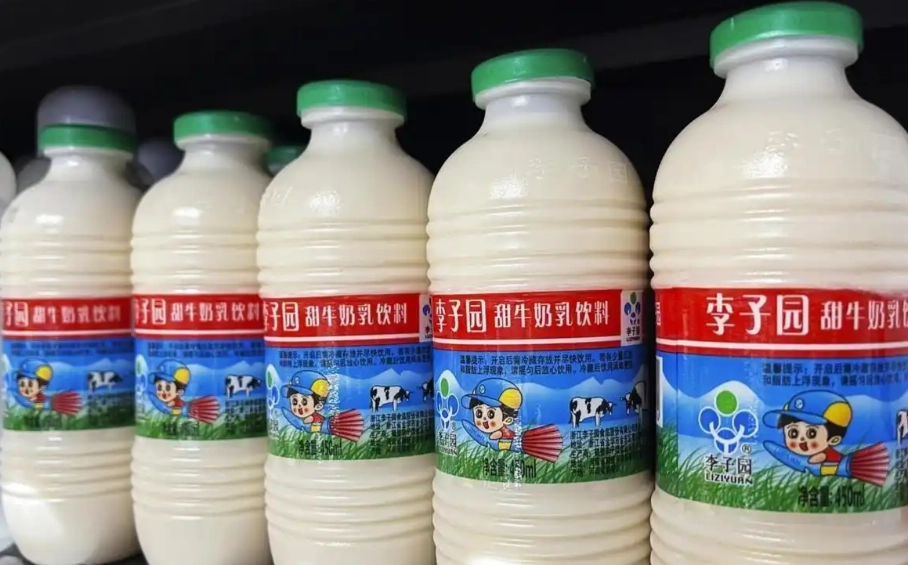
Milk-based beverages have long supplied more than 90% of revenue. Liziyuan built the business on high-sugar sweet milk in plastic bottles sold through breakfast stalls, school shops and lower-tier county stores, mostly in eastern China.
Fresh milk, sugar-free tea and freshly made tea drinks have since taken that demand. Drinks blended from water, reconstituted milk, sugar and flavouring are being pushed to the edge of the shelf.
Net profit attributable to shareholders fell more than 32% in the first three quarters, with higher costs for some raw and auxiliary materials adding pressure.
The company has yet to develop a successor product of similar scale. Soda water, electrolyte water and coffee, promoted under Li Bosheng, remain small.
A dealer clean-up
Li Bosheng became general manager in early 2025 and moved against weak distributors. The company has cut several hundred dealers with little output, leaving about 2,000 by the middle of this year, according to public figures.
Resources are shifting away from traditional mom-and-pop stores toward modern hypermarkets, instant retail and dining formats aimed at younger shoppers. Such cuts tend to draw resistance from veteran executives and long-standing regional distributors.
Promoting him to chairman gives him formal authority over those legacy problems. It also signals a move from broad distribution toward tighter channel management.
Capex and convertible bonds
The new chairman inherits heavy spending. A large production base in Ningxia is still ramping up and not yet profitable, while demand in the core eastern China market shrinks. Depreciation on the new plants will weigh on returns.
About 600 million yuan (about $85 million) of convertible bonds remain unconverted, and the share price has stayed below the conversion price. If earnings do not recover enough to lift the stock within two years, the company faces a large cash repayment.
With no equity stake, Li Bosheng's ties to the company run mainly through family ownership. Whether he can hold real strategic independence from his father, who remains the controlling shareholder, is an open question for public investors.
The Tianyancha record — 388 million yuan in registered capital, Shuidiquan's controlling stake and Li Bosheng as legal representative — marks a handover at a Zhejiang drinks group facing a generational shift in consumer taste.
Li Guoping has opened the door to change while keeping the ultimate say. The test for his son is whether a company built on one sweet drink can remake its product line before the bonds come due.