Oriental Select Forms Food Online Sales Unit
Oriental Select set up a wholly owned food e-commerce unit to separate compliance, billing and quality-control responsibilities across sales platforms.
Oriental Select, the New Oriental-backed farm-produce e-commerce company, has set up a fully owned online food sales unit with registered capital of 1 million yuan (about $140,000), corporate records show.
The move comes as Oriental Select expands beyond livestreaming into self-operated storefronts across multiple platforms. A dedicated legal entity may help it manage food-safety compliance, invoicing and supply-chain liability.
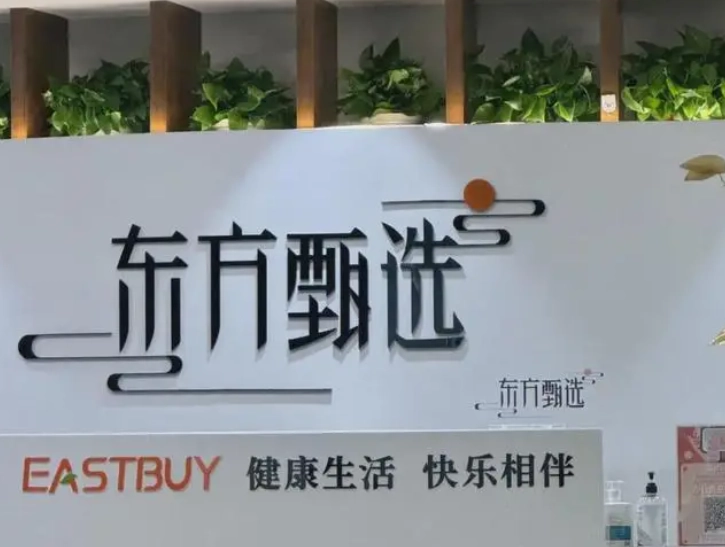
Oriental Select (Beijing) Internet Sales Co. has been formally registered. Zhang Jian is its legal representative, and its registered capital is 1 million yuan.
Its approved business scope puts online food sales, daily-use goods sales and daily-use goods wholesale at the core. Shareholder records show the unit is wholly owned by Oriental Youxuan (Beijing) Technology Co., the main operating entity of Oriental Select.
For Oriental Select, whose self-operated merchandise GMV across the internet has already passed 10 billion yuan, the small registration is financially light. But separating highly regulated online food sales into a new corporate entity signals a broader defensive setup by Yu Minhong’s team after disputes over ingredients and product-origin traceability.
A wholly owned sales vehicle
According to Tianyancha, a corporate records database, Oriental Select (Beijing) Internet Sales Co. is 100%-owned by Oriental Youxuan (Beijing) Technology Co. Zhang Jian is the legal representative, and registered capital is 1 million yuan.
Zhang is a key executive in Oriental Select’s supply-chain and internal operations. The new company’s remit is tightly focused on online distribution of food and daily necessities, unlike its parent, which handles brand promotion, livestream-host operations and broader external contracts.
Food-safety compliance drives the structure
The main reason for the new entity is the strict compliance burden surrounding fresh produce and prepared foods sold online.
Internet food sales are closely scrutinized by Chinese market regulators and consumer associations. Problems such as excessive pesticide residues, altered shelf-life dates or false ingredient labeling can lead to punitive damages, fines or removal from online stores.
Oriental Select’s self-operated grilled sausage and wild-caught prawns have previously been caught up in complaints and public controversy. The article says most problems stemmed from contract manufacturers, but they still damaged the reputation of the main operating entity.
A separate legal entity for online food sales creates a potential liability barrier. If a particular food batch draws complaints or administrative penalties, consequences can be handled at the sales-entity level rather than directly affecting the broader group’s licenses and qualifications.
Support for multi-platform storefronts
The new company also supports Oriental Select’s expansion beyond a single livestreaming platform and its push onto Pinduoduo and its own app.
The company is accelerating distribution across channels. It runs multiple vertical accounts on Douyin and official self-operated stores on Taobao Live, JD.com, its WeChat Mini Program and its own app.
Platforms impose strict entry requirements for food categories, including independent food-business licenses or online food-sales filings. They also have detailed rules governing related-party transactions, settlement and invoicing for the same entity operating across platforms.
A dedicated internet-sales subsidiary can serve as a standardized merchant entity for obtaining food qualifications and opening stores across mainstream platforms. It can also support separate accounting, logistics documentation and after-sales settlement for each channel.
From livestream brand to consumer-goods company
The restructuring is part of Oriental Select’s effort to evolve from a content-commerce IP into a modern consumer-goods brand.
Besides online food sales, the business scope disclosed by Tianyancha includes daily-use goods wholesale and sales. That leaves room for future B2B distribution to large supermarkets, community convenience stores and corporate group-purchase channels.
Separating sales from Oriental Youxuan’s media-heavy business lets supply-chain staff focus on fulfillment, quality inspection, warehouse management and distribution. It is a practical step away from reliance on influencer fame.
Quality and traffic-cost risks remain
Still, Oriental Select faces major tests in controlling asset-heavy supply chains and protecting self-operated margins.
The first risk is quality control under its heavy use of contract manufacturers, or OEM/ODM suppliers. Most of its high-margin hit food products are made under such arrangements, and Oriental Select does not directly control large farms or deep-processing factories.
Without its own production lines, risks remain over factory hygiene, batch consistency and breaks in the cold chain. Contract and invoice separation alone cannot remove food-safety risks unless the company builds on-site inspections and physical and chemical testing throughout production.
The second challenge is the cost of relying on platform traffic across many sales channels. Its own app offers a private-domain traffic opportunity for Yu Minhong, but customer acquisition and daily-active-user retention are expensive.
On Tmall, JD.com and Pinduoduo, Oriental Select must also contend with price-comparison algorithms, paid search rankings and high return rates.
Without the premium created by livestream hosts’ personal appeal, the new entity will compete on low price with established snack companies including Three Squirrels and Bestore. That could continue to dilute margins on self-operated products.
The 1 million yuan registration and full-ownership record on Tianyancha show a leading livestream e-commerce company moving toward more institutional operations. Whether the new sales vehicle can strengthen compliance while making its self-operated goods profitable remains the market test ahead.