Gold Mantis signs 245 million yuan manufacturing, hotel contracts
Gold Mantis signed 245 million yuan (about $34.5 million) of contracts for a manufacturing plant and hotel fit-out, cutting reliance on residential real estate.
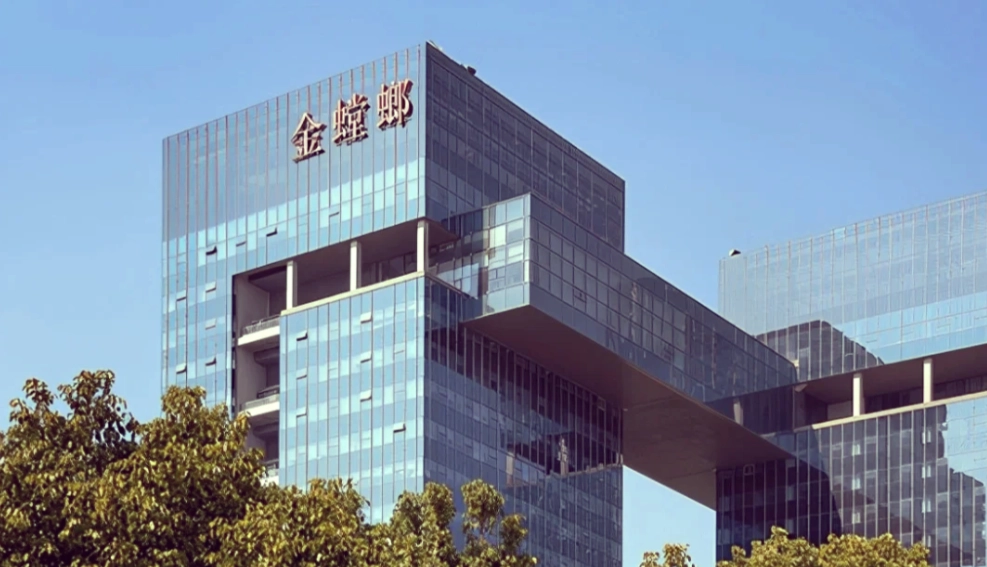
Gold Mantis has signed contracts worth 245.19 million yuan (about $34.5 million) to fit out an industrial plant and a hotel, as the Chinese interiors contractor pulls further away from residential property work.
The two deals equal about 1.42% of Gold Mantis's audited 2025 revenue, so they will not transform its top line. Their significance lies in what they are: work for manufacturers and consumer brands, with contracts signed immediately after the bids were won.
Suzhou Gold Mantis Construction Decoration Co. said in a filing that in October 2026 it and its subsidiaries won the SVG Tech construction project in the Loufeng southeast district and the interior fit-out of the Luhua Peony Hotel. The combined bid value was about 245.19 million yuan. By the date of the disclosure, formal contracts had already been signed with the project owners.
For a company that booked more than 30 billion yuan (about $4.2 billion) of revenue at its peak, a few hundred million yuan of monthly orders is unremarkable in scale. The speed of execution and the complete absence of residential developers from the project list are not.
A 33-year-old leader with 2.66 billion yuan in capital
Corporate records on Tianyancha, a Chinese business database, show the company was founded on January 6, 1993, with Zhang Xinhong as legal representative and registered capital of about 2.66 billion yuan (about $374 million). It is registered at No. 99 Jinshang Road in the Suzhou area of the China (Jiangsu) Pilot Free Trade Zone, and was formerly known as Suzhou Gold Mantis Construction Decoration Co. Ltd.
- Under Zhang, the company built theaters, airport terminals and large commercial complexes through China's urbanization drive.
- The debt defaults at China Evergrande Group and other major developers hit the decoration sector hard, bringing overdue commercial paper, litigation and asset writedowns.
- After cleaning up its balance sheet, management now screens projects for certainty of payment and funding, according to the filing.
From developer leverage to manufacturers and tourism
The shift in client base is the main force behind the deal. Both owners are established industrial businesses rather than property developers.
- SVG Tech Group, a listed maker of lithography and micro-nano manufacturing equipment, is also based in the Suzhou Industrial Park; its Loufeng project covers R&D and precision plant space for advanced manufacturing.
- Luhua, a leading edible-oil producer, owns the Luhua Peony Hotel project.
Technology companies expanding clean rooms and offices, and consumer groups investing in upscale hotels, pay on firmer schedules than residential developers once did. Gold Mantis expects shorter collection cycles and fewer bad debts than under the old model of bulk apartment fit-outs paid partly in property or acceptance bills.
Staying close to home in Suzhou
The company is also leaning on its home base. Sending workers and managers across provinces erodes margins in an industry where margins are already thin.
The Loufeng site sits in the Suzhou Industrial Park, close to the Jinshang Road address on the company's registration. That proximity lets Gold Mantis use local labor crews, short storage runs and fast project management, keeping supply-chain costs down in low-margin tenders.
Two tests ahead
Clean-room engineering
Gold Mantis built its reputation on stonework, woodwork and decorative finishes. Factories for semiconductors and micro-nano manufacturing demand temperature and humidity control, vibration limits, high-grade clean-room filtration and complex mechanical and electrical piping. Without stronger engineering capability, the company risks being confined to basic construction and office fit-out on such projects.
Replacing the residential pipeline
Orders worth a few hundred million yuan a month cannot quickly fill the gap left by the multi-billion-yuan contracts that residential developers once awarded. Competition in the existing commercial fit-out market is intensifying, and state-owned construction groups are pushing into regional markets with cheaper funding and broader qualifications. Gold Mantis is looking to the Middle East, urban renewal and energy-saving renovations of existing buildings for its next leg of growth.
The registered capital and the Suzhou headquarters record on Tianyancha trace a company that has moved past its fastest years. Zhang and Gold Mantis have laid a foundation for that transition with two contracts from private manufacturers, and have pulled the business back toward safety and cash flow. The harder question is whether the Suzhou contractor can rebuild its margins on industrial construction and urban renewal.