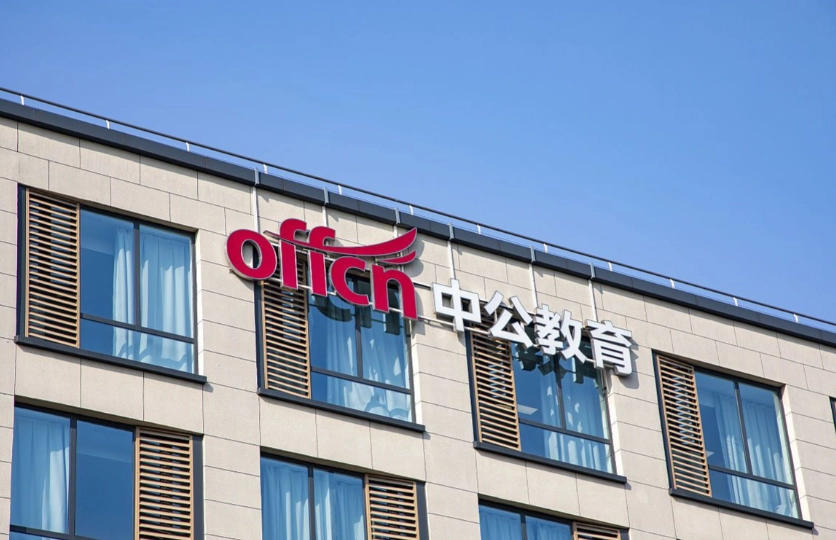
Offcn Education Hit by Rent Dispute and Curbs on Chairman
A Chinese court restricted Offcn Education and Chairman Li Yongxin over a 6.53 million yuan rent claim, highlighting lingering cash-flow and refund pressures.
Offcn Education Technology Co., Ltd. and Chairman Li Yongxin have been placed under court-ordered consumption restrictions over a rent dispute, exposing fresh strain at the formerly high-flying civil-service exam tutor.
The order follows a 6.53 million yuan (about $920,000) compulsory enforcement case. While small for a once-high-flying listed company, the matter highlights unresolved bills from Offcn’s rapid retreat from heavy-asset training centers and lingering refund pressures.
The Hangzhou Economic and Technological Development Zone People’s Court issued the restrictions against the company and Li, its legal representative. The case involves a housing lease contract dispute, according to judicial information.
Offcn said its operations remain normal and that it is actively coordinating to resolve the matter.
For a company with registered capital of more than 6.1 billion yuan, the unpaid rent bill is modest. But it points to a larger legacy: aggressive long-term leases for large, closed training campuses, followed by hasty closures amid refund demands and landlord claims.
Family holdings, pledges and freezes
Corporate records database Tianyancha shows Offcn Education Technology was founded in August 1999, with registered capital of about 6.17 billion yuan. Li is its legal representative.
Its shareholders include Li, funds under Hunan Caixin Industrial Fund Management Co., Ltd., and co-founder Wang Zhendong, according to Tianyancha’s ownership records.
Li and his mother, Lu Zhongfang, once ranked among education’s wealthiest people as Offcn’s valuation soared after a backdoor listing. That position eroded as cash became consumed by large refunds from course packages that promised repayment if applicants failed.
Their shareholdings have faced high pledge ratios and multiple rounds of judicial freezes and waiting-line freezes, Tianyancha records show.
The consumption curbs bar Li from activities including flying, taking high-speed trains and staying at star-rated hotels. The restrictions may complicate corporate travel, financing support and market confidence at a time when liquidity remains tight.
Lease debts from campus expansion
Offcn expanded aggressively during the boom in civil-service examination preparation, renting whole buildings, hotels and independent campuses across provincial capitals, second- and third-tier cities, and university districts.
- Many properties were leased for five to 10 years, bringing heavy rent and fit-out amortization costs.
- Refund promises tied to exam results triggered massive payout demands, while online education reduced demand for physical sites.
- Offcn then carried out widespread closures and layoffs. Its offline outlets fell rapidly from more than 1,000 at the peak to several hundred.
- Many long-term leases were terminated early, prompting lawsuits across the country over unpaid rent, penalties and property restoration costs.
The Hangzhou lease dispute, involving more than 6.53 million yuan, is part of that broader cleanup after Offcn scaled back in a key eastern China market.
Refunds and debt squeeze cash flow
Offcn has sought in recent years to signal a turnaround, saying it had ended guaranteed-refund agreement classes and shifted toward lighter-asset operations.
But historical student refunds are still being paid in batches. Large sums previously collected as prepayments have become rigid liabilities.
Disputes over guarantees on executives’ personal borrowing have also added pressure. Hundreds of millions of shares held by Li have repeatedly faced judicial waiting-line freezes, limiting the controlling shareholder’s ability to raise emergency funds through personal stock pledges.
With cash needed first for teacher pay and student refunds, claims from landlords and suppliers can be delayed. In this case, enforcement escalated into consumption restrictions against the company’s legal representative.
Trust risk for a test-prep brand
The order also carries reputational risk for a business dependent on the confidence of students and their families. Civil-service test candidates are especially sensitive to a training provider’s financial stability.
A listed company whose legal representative faces consumption curbs over an unpaid claim of just over 6 million yuan could fuel online concern about future course purchases and the safety of prepaid tuition.
That could trigger more refund requests from existing students and weaken conversion rates for high-priced, asset-light courses.
Tianyancha’s record of 6.17 billion yuan in registered capital stands in contrast to the Hangzhou court’s enforcement order. It traces Offcn’s path from debt-fueled expansion to a difficult cleanup marked by lawsuits, refunds and doubts over whether the company can restore its finances without a larger breakdown.