From Cai Ming Playing a Robot to Robots Accompanying Cai Ming: 30 Years on the Spring Festival Gala
The Spring Festival Gala's 30-year journey reflects China's tech evolution from imitation to innovation, the rise of the robotics industry, supply chain localization, and responses to an aging population.
When the 2026 Year of the Horse Spring Festival Gala sketch "Grandma's Favorite" drew to a close, silver-haired Cai Ming sat at the center of the stage, surrounded by a group of humanoid robots executing fluid movements, and a tangible sense of temporal dislocation emerged.
Rewind the timeline 30 years to the 1996 Spring Festival Gala, featuring the same Cai Ming. In "Robot Sketch," she wore a silver bodysuit, using stiff body language and mechanical delivery to portray a "robot" for the audience. That year, China had just connected to the international internet, artificial intelligence was still in its conceptual infancy, and futuristic technological imaginings could only be brought to life through an actor's performance skills.
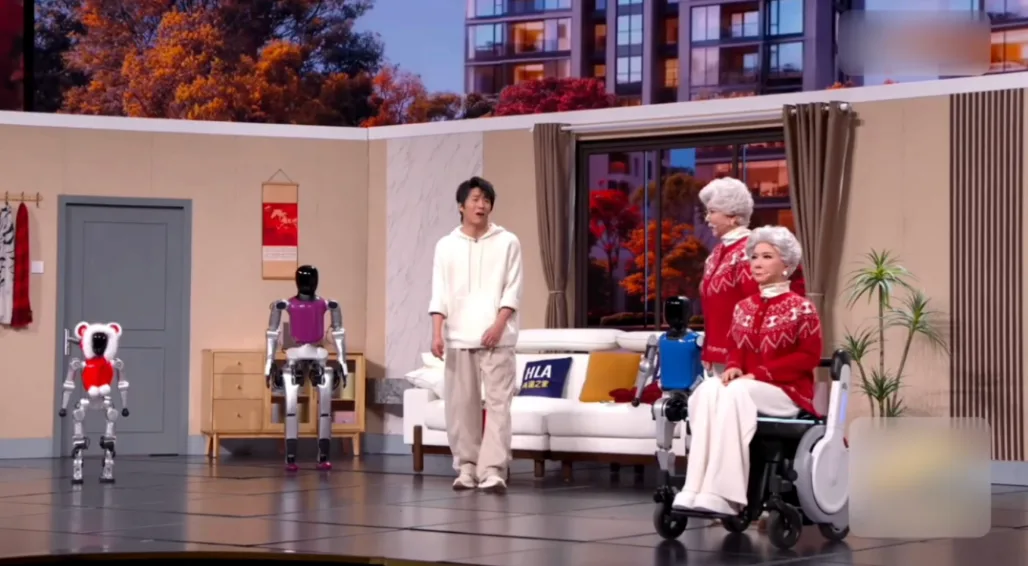
What once could only be simulated through human effort now stands on a skeleton of reality supported by a mature industrial chain. This is an industrial validation spanning three decades. Cai Ming is the witness, while the ones answering the call are none other than China's newly booming embodied intelligence industry chain.
Domestic Substitution in the Supply Chain and Cost Restructuring
The "Cai Ming-brand robot" purchased by Guo Da in the 1996 sketch symbolized expensive imported high-tech products in the context of that era. At that time, China's manufacturing sector was still in a catch-up phase, with high-end CNC machine tools and core components heavily reliant on imports. Pricing power over key components such as harmonic reducers was held by overseas giants, and prohibitive costs confined robots to specific segments of industrial production lines or to laboratory settings.
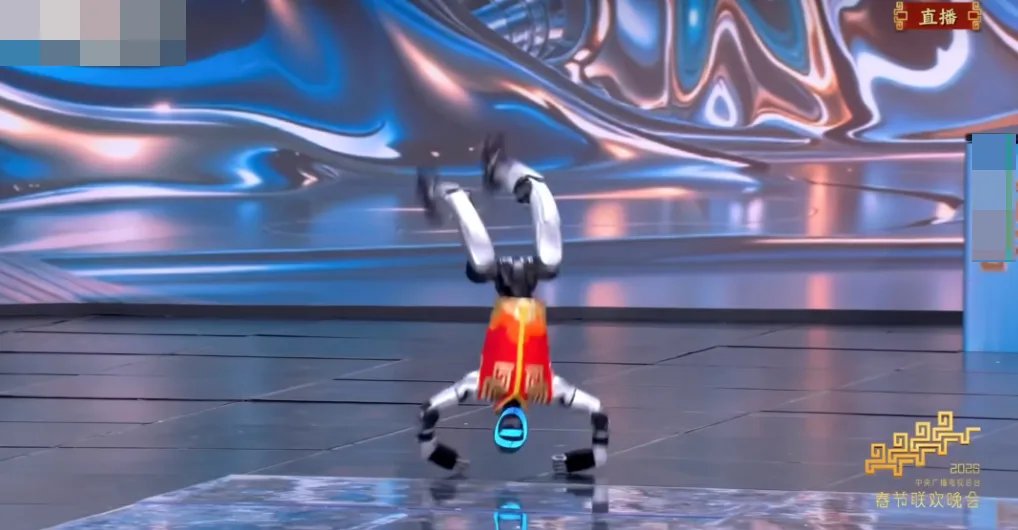
The appearance of a robot ensemble on the 2026 Spring Festival Gala stage is essentially a concentrated demonstration of the domestic supply chain's successful technological breakthrough and cost restructuring. Unitree Robotics' humanoid robots executed difficult backflips, Magic Atom, incubated by Dreame Technology, showcased refined dance steps, and Songyan Dynamics achieved natural human-robot interaction. The logic underpinning these performances is the increased localization rate of core components and a significant decline in BOM costs.
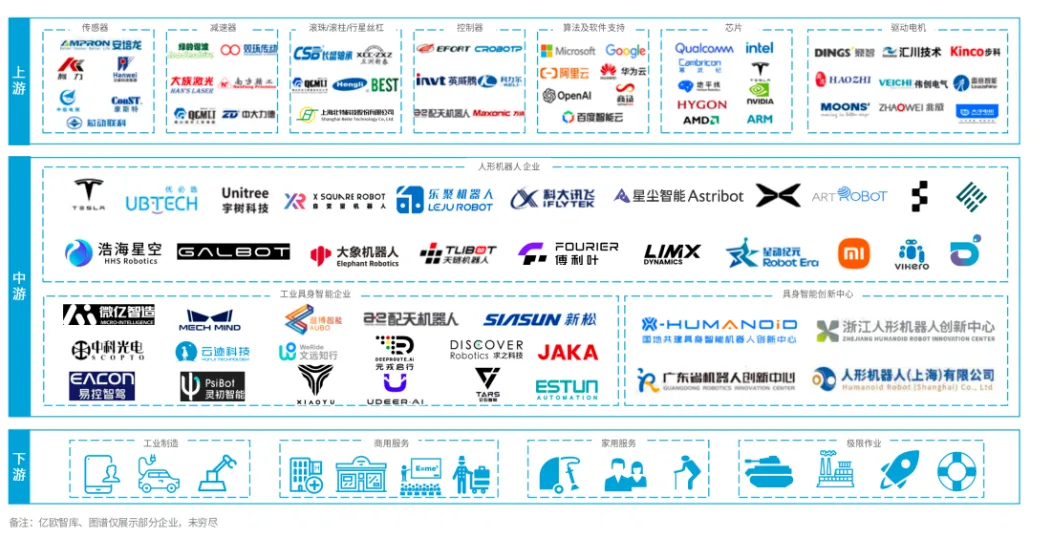
Meanwhile, breakthroughs by domestic companies such as Leader Harmonious Drive and Shuanghuan Transmission in the reducer sector have further compressed hardware costs. The industrial evolution over these 30 years reflects the process by which China's manufacturing sector transformed non-standard, high-priced products into standardized industrial goods. The robots on the Spring Festival Gala stage mark the point where embodied intelligence hardware has crossed the cost threshold for commercial deployment, establishing the foundational conditions for large-scale penetration into B-end and even C-end markets.
Labor Substitution Amid Demographic Shifts
The frequent showcase of robots at the Spring Festival Gala is not merely a release of technological achievements; it is also a response to the structural changes in the macro labor market. In the sketch "Grandma's Favorite," Cai Ming plays an empty-nester elderly woman in need of companionship—a character that reflects the demographic characteristics of contemporary society.

The embodied intelligence products showcased at the Spring Festival Gala essentially represent a substitute labor factor being pursued at the national strategic level. Unitree Robotics' robots are deployed in industrial inspection and manufacturing settings to preserve the efficiency advantages of the manufacturing sector. Galaxy General's robots are entering household environments to alleviate the shortfall in elderly care service supply.
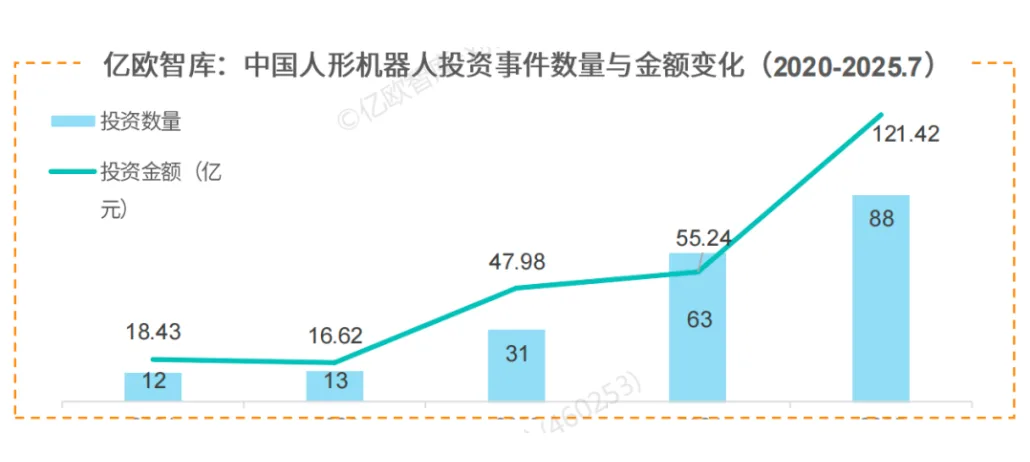
The core logic behind capital markets' attention to the embodied intelligence track lies in the potential of these technologies to serve as a supplementary general-purpose labor force. In the cycle of transitioning from a demographic dividend to an engineer dividend, mastering the production technology for low-cost, highly versatile automated labor is tantamount to securing the key factor for future economic growth.
Capital Flows from the Virtual to the Real and the Repricing of Assets
The changing roster of Spring Festival Gala sponsors offers a clear window into the shifting trajectory of commercial capital in China. In the 1990s, liquor companies such as Qinchí and Kongfuyan dominated the spotlight, representing the boom in the fast-moving consumer goods market. Over the following decade-plus, internet companies took center stage, with the traffic economy and platform models steering the capital narrative. By 2026, however, the arrival of hard-tech enterprises such as Unitree Robotics, Dreame Technology, and Galaxy General on the stage signals that the direction of capital has pivoted from business model innovation to fundamental, hardcore technology.
The Objective Gap Between Technological Deployment and Commercial Closed-Loop
Despite the Spring Festival Gala stage showcasing the latest achievements in embodied intelligence, the rational laws of industrial development suggest that achieving full commercialization still faces numerous challenges. Cai Ming interacted fluidly with the robots in the sketch, but in real-world unstructured environments, the technology still needs to bridge the final mile.
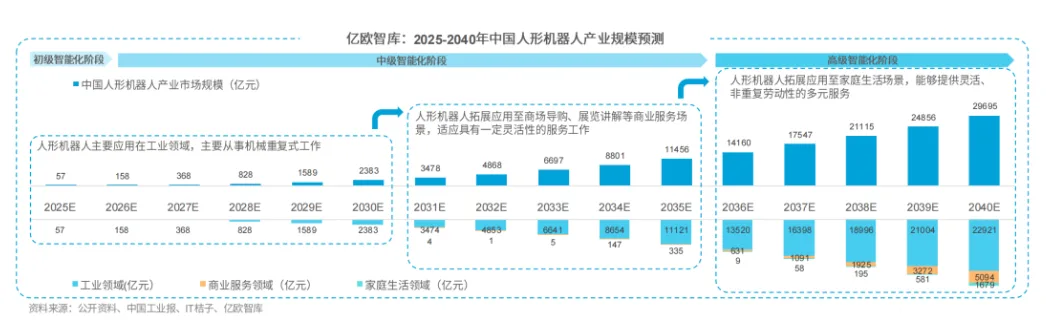
Second, there is the pressure to establish a commercial closed-loop. Although Dreame secured 500 million yuan in letter-of-intent orders at CES 2026, and Unitree Robotics achieved scaled deliveries in the industrial sector, current revenue levels remain insufficient to cover the hundreds of billions of yuan in R&D investment across the industry as a whole. The sector generally faces financial pressure of rising revenue without proportional profit growth. For example, while Dreame's revenue grows rapidly, its net profit margin must still balance the impact of substantial R&D expenditures.
Furthermore, there is a scissors gap between user willingness to pay and product pricing. Although BOM costs have dropped significantly, high-performance humanoid robots still carry price tags in the hundreds of thousands of yuan—a far cry from the tens of thousands of yuan that ordinary households would consider acceptable. For embodied intelligence to truly become a pervasive terminal like the smartphone, it will require a long process of cost reduction and scenario refinement.
Final Thoughts
In 1996, Cai Ming filled the technology gap with her performance in "Robot Sketch." In 2026, the embodied intelligence industry chain displayed its industrialized physical achievements on the Spring Festival Gala stage. The transformation over these 30 years is a microcosm of China's technology sector moving from imitation and followership to independent definition, and a footnote to China's economic transition from factor-driven to innovation-driven growth.As Cai Ming sheds the silver bodysuit and faces genuine silicon-based life forms, she is witnessing the dawn of a new industrial cycle—one supported jointly by Unitree's motion control, Dreame's servo motors, Galaxy General's general-purpose large models, and the vast Chinese supply chain.
This is not merely industrial upgrading in the commercial sense; it is also a technological moat that China is building in response to the challenges of demographic change. For the embodied intelligence industry, the Spring Festival Gala appearance is only the prologue. Proving its productivity value in the real world is the true test that lies ahead.