Shanghai Xinhua Media halts trading after 10 straight limit-ups
Shanghai Xinhua Media halted trading for verification after 10 consecutive limit-ups, as Shanghai United Media Group plans to inject Jiemian Cailianshe.
Shanghai Xinhua Media halted trading on Oct 13 for a compliance review after 10 consecutive limit-ups lifted the publisher 159.51%, as investors bet its state parent will inject financial-data unicorn Jiemian Cailianshe.
The run, from Sept 21 to Oct 12, turned a slow-growing traditional publisher into the centre of Shanghai's push to restructure its state media assets. The company says its business is normal and its fundamentals are far adrift from the share price.
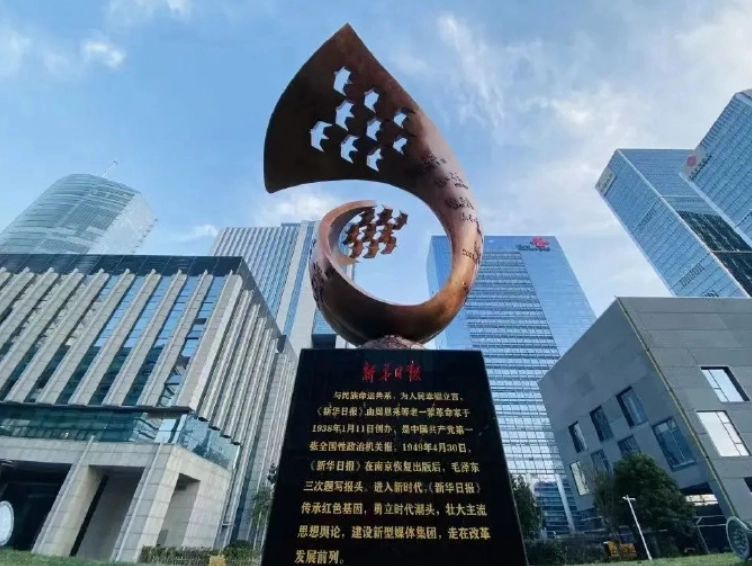
A shell with a 37.71% state anchor
Shanghai Xinhua Media Co., Ltd. was founded in 1992 with registered capital of about 1.045 billion yuan (about $147 million) and listed on the Shanghai Stock Exchange in 1994. It is billed as the country's first listed publishing and distribution company.
Its licences cover a nationwide distribution network, but its revenue still comes from books, newspapers and magazines, advertising agency work and property leasing. Shanghai United Media Group holds 37.71% and is both controlling shareholder and actual controller, according to corporate records database Tianyancha.
The asset on the table
That stake is the engine behind the rally. Shanghai United Media Group is planning to inject all of Shanghai Jiemian Cailianshe Technology Co., Ltd. into the listed company.
Jiemian Cailianshe is a very different business from a print distributor. Its Cailian Press newsflash system runs on the screens of institutional investors, brokerage analysts and retail traders, providing round-the-clock market news. Its Whale Platform, Lanjing Finance and data terminals sold to financial institutions generate sticky subscription revenue.
If completed, the deal would strip Xinhua Media of its old bookstore and print label and turn it into a digital financial information and data company. The 10 limit-ups suggest money is positioning for that revaluation before the details are settled.
Why the parent is selling
Xinhua Media's traditional business has hit a ceiling. Physical bookstores are losing traffic to e-commerce and short-video livestream selling, print circulation is falling year by year, and advertising space sales have been pushed aside by algorithm-driven internet platforms. Stripped of non-recurring items, core profit has long hovered between a thin margin and losses.
For Shanghai United Media Group, moving Jiemian Cailianshe into the listed vehicle is a way to advance state-owned enterprise reform and push mainstream media into new markets.
What the review will test
The trading halt puts the deal under close regulatory scrutiny on two fronts.
First, valuation. Jiemian Cailianshe has raised several funding rounds from strategic investors and carries a rich technology premium, while Xinhua Media's market value before the halt was relatively small. Paying with new shares for a much larger asset could dilute existing holders heavily and invite questions over pricing fairness, benefit transfer and the valuation of state assets.
Second, the risk of a stampede. Ten straight one-way limit-ups and a gain of more than 159% have already priced in most of the upside before approvals are final. The process runs from a preliminary plan through audit and appraisal, State-owned Assets Supervision and Administration Commission approval and China Securities Regulatory Commission registration, and can take months or more than a year, with room for surprises.
When trading resumes, profit-takers who bought during thin-volume limit-ups could exit together, hitting retail investors who chased the stock at high levels.
For a 30-year-old media name, the question is whether it can trade printing ink for financial data code. The halt is meant to cool the speculation; the answer will come from the audit and the approvals.