International Composite Fiber denies e-fabric recycling, focuses on high-end materials
International Composite Fiber said it has no e-fabric recycling business and will focus on high-end electronic cloth under 60% state ownership.
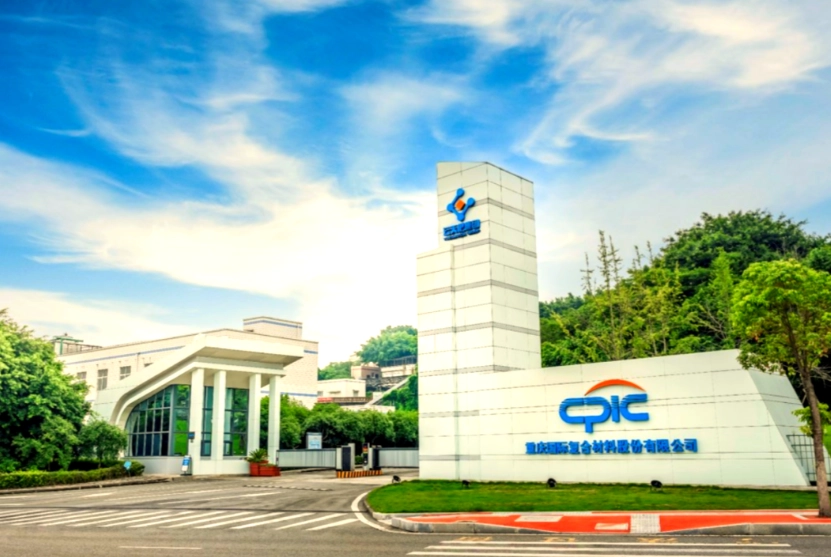
International Composite Fiber has told investors it does not recycle electronic cloth, pushing back on a market narrative that had drawn speculative money into environmental recycling and PCB-materials plays.
The ChiNext-listed glass fibre maker used a platform post to mark the limits of its technology and production lines. The message also shows where management wants resources to go: higher-value products, not short-term themes.
State control and strategic focus
Its operating company, Chongqing International Composite Materials Co., Ltd., was founded in 1991 with registered capital of about 3.77 billion yuan (about $530 million), according to Tianyancha, a corporate records database. It is a state-controlled company on the Shenzhen Stock Exchange's ChiNext board.
Chemical and fertiliser group Yuntianhua Group directly and indirectly holds 60.01%, giving it control. Ultimate ownership traces to the Yunnan Provincial State-owned Assets Supervision and Administration Commission.
That 60.01% holding and state backing leave the company little exposed to short-term speculative themes.
Glass fibre is capital-intensive, energy-hungry and cyclical. A concentrated controlling shareholder gives the company a buffer through downturns. For a large state-owned industrial group, spending limited capacity and upgrade budgets on core business positioning matters more than courting a market concept.
Why electronic cloth is not recycled
Electronic-grade glass fibre cloth is the core reinforcing and insulating material in copper-clad laminate (CCL) and printed circuit boards (PCB). It is woven from ultra-fine glass fibre yarn only microns in diameter on high-density shuttleless looms. Once cured and cross-linked with epoxy resin and copper foil during PCB lamination, its physical and chemical properties are fixed.
Under current industrial technology, peeling ultra-fine electronic cloth intact from cured, scrapped CCL or PCB waste and restoring it to clean, high-quality glass fibre feedstock is very difficult and very costly in energy. High-temperature pyrolysis or chemical solvents typically yield only broken short fibre. That material cannot be re-drawn into ultra-fine yarn and rewoven into electronic-grade cloth.
Claiming a role in that recycling business would lack economic viability and risk false disclosure and concept-chasing allegations.
A long trough, then a split at the top end
The focus on mid- and high-end glass fibre reflects what followed a long industry downturn: a sharp split between ordinary and high-end products.
For years, coarse glass fibre for construction, pipes and wind power was squeezed by new capacity and shrinking downstream property starts. Prices of ordinary coarse fibre have stayed near historic lows, leaving many second- and third-tier producers at break-even or in losses.
High-end materials have moved independently, driven by AI server computing, 5G high-frequency communications and automotive intelligence. Supply is tight for Low-Dk and Low-Df ultra-fine electronic cloth used in high-frequency, high-speed PCBs, and for ultra-thin cloth used in high-end packaging substrates.
This niche has long been dominated by foreign players such as Japan's Asahi Kasei. In China, only a few leading manufacturers — China Jushi, Honghe Technology and International Composite Fiber — can mass-produce ultra-fine electronic yarn and precision-weave high-end cloth at 10,000-tonne scale.
International Composite Fiber's plan is to put its resources into this high-margin ground.
Tianyancha records show the company runs a glass fibre production system spanning tens of thousands of tonnes and holds full in-house qualifications for complete glass fibre technology and equipment. That lets it use its own sizing formulas and tank furnace drawing equipment to keep supplying ultra-thin and extremely thin high-end cloth to leading PCB makers. Winning more share of low-dielectric cloth in the growth driven by AI hardware and high-end communications boards would lift margins far more than spreading effort across an immature recycling concept.
The real test
The clarification signals to the new materials and chemicals sector that stories built on market imagination are losing traction. Value in hard-core manufacturing is being re-anchored on irreplaceable production thresholds and take-up of high-end products. International Composite Fiber has used its state backing to protect compliance and its core business. But foreign giants have tight patent defences in high-end electronic cloth, and domestic peers are also adding low-dielectric capacity. Whether the company can scale up supply of core materials for AI high-computing, high-frequency PCBs is the test management must now pass.