Bojue Travel Photography flagged as unreachable by Xiamen regulator
Bojue Travel Photography, the wedding-trip studio built on relentless elevator ads, was listed as abnormal after regulators could not reach its registered address, with all stores shut.
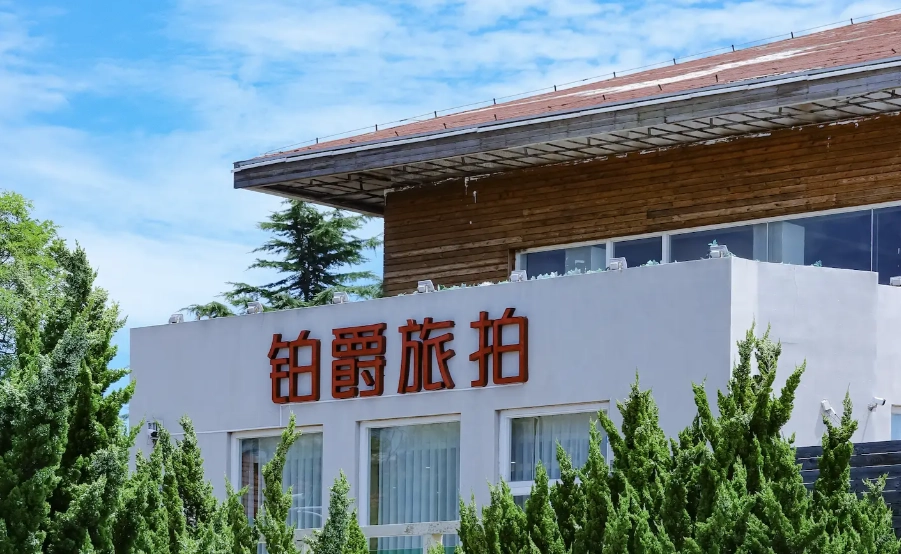
Bojue Travel Photography, the destination wedding photography chain that advertised its way into national memory, has been placed on Xiamen's list of abnormal operations after regulators could not reach it at its registered address.
The listing by the Xiamen Market Supervision Administration is a routine administrative step, but for Bojue it is the final one. The company had already stopped operating for months, shut all its stores nationwide and left customers and former staff chasing refunds and wages, with more than 100 million yuan (about $14 million) in court enforcement claims against it.
An empty shell at the registered address
Corporate records on Tianyancha, a business database, show Bojue Travel Photography Culture Group Co Ltd was set up in December 2014 with registered capital of 56.57 million yuan (about $8 million). Xu Chunsheng is its legal representative, and he holds the company alongside individual shareholders Xie Jiazhang and Xu Chunde.
Its registered business covers cultural exchange events, photo printing and video production. Under Chinese company rules, a company that cannot be reached at its registered premises is treated as having broken off administrative and legal contact in that jurisdiction.
For Bojue, which faces refund complaints from consumers across the country and wage claims from former employees, the designation records in law what had already happened in practice: management had gone quiet.
A high-leverage traffic bet on a low-frequency business
Bojue rose by applying internet-style customer acquisition to a traditional wedding photography business. To break out of the neighbourhood studio, management ran saturation advertising, spending hundreds of millions of yuan a year on elevator screens at Focus Media, sponsorship of hit television variety shows and placements on leading social platforms. Its slogan urged customers to shoot wherever they wanted.
The marketing pulled in young couples, and the destination wedding photography concept supported high prices. Services were packaged into standard bestsellers in Sanya, Lijiang, Xiamen, Dali and popular overseas islands.
But wedding photography is a once-in-a-lifetime purchase. There is no repeat business to fall back on.
New prepayments paid for old costs
To keep the machine running, Bojue needed a constant flow of new customer deposits to cover fixed costs. It built direct-operated mega-studios, reception centres and exclusive location fleets across the country, while salaries for resident photographers and makeup artists grew steadily. Customer acquisition costs swallowed more than half the gross margin on an order.
Then the intake slowed. China's marriage rate fell, the pool of people of marrying age shrank, and young buyers tired of assembly-line posing and hard-sell album upgrades.
From missed wages to a wave of closures
As the parent's cash ran out, stores and partner shooting bases stopped paying mall rent, camera rental fees and the wages of outsourced photography and makeup crews. Local arrears became nationwide stoppages and closures.
Many customers who had paid in full never completed their shoots. Some who had finished found their negatives and retouched albums held by third-party processing plants that had not been paid, turning the collapse into a thicket of civil disputes.
The cold aftermath
Tianyancha also lists a court order restricting Xu Chunsheng from high-end spending, a common measure against debtors who fail to comply with enforcement rulings.
The open question is whether bankruptcy liquidation can recover enough of what remains to compensate customers and rank-and-file staff first — a cold reckoning that now falls to the courts.