Shuijingfang cuts capital after stock incentive lapse
Shuijingfang cut registered capital by 129,150 yuan and filed management changes after cancelling unvested employee shares, as premium baijiu demand weakens.
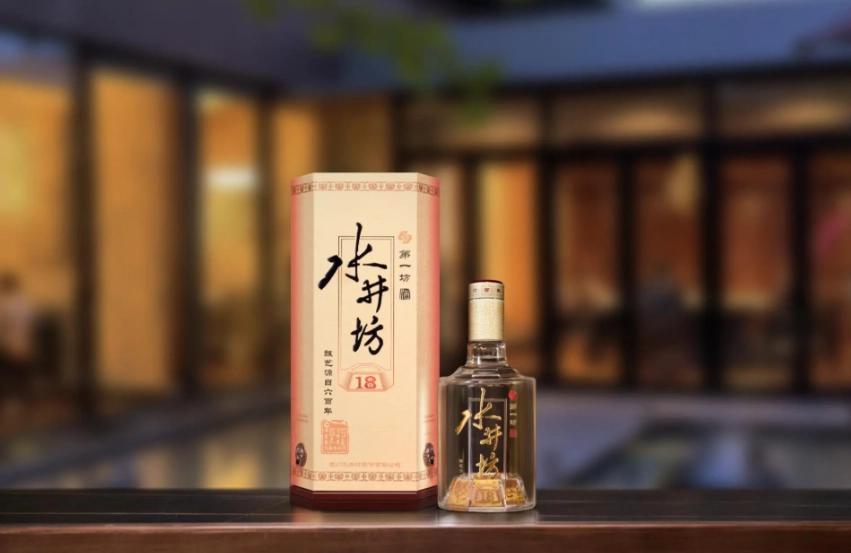
Shuijingfang, the only A-share baijiu maker controlled by global spirits giant Diageo, has cut its registered capital by about 129,150 yuan after cancelling restricted shares from a staff incentive scheme that never vested. The change is tiny — 0.0265% — but it lands as the sector battles weak corporate banqueting demand and swollen channel inventories.
The technical nature of the filing is the point. Corporate records database Tianyancha shows Sichuan Shuijingfang Co. Ltd. reduced registered capital to about 487.37 million yuan (about $68.6 million) from 487.5 million yuan, and simultaneously refiled its articles of association and senior management records. The company was founded in December 1993, is legally represented by Gan Xiaofeng, and is a foreign-controlled listed joint-stock company.
A 129,000 yuan cut: incentive cleanup, not retrenchment
For retail investors, a capital reduction often signals a company pulling back, withdrawing funds or running into trouble. At a compliant, mature main-board A-share firm, a cut this small is neither. It is the legal registration of a standard buyback-and-cancellation of shares tied to an employee plan.
The 129,150 yuan corresponds to 129,150 restricted shares under the Shuijingfang 2021 employee stock ownership plan that failed to vest. Such plans carry strict individual performance targets and service requirements. If participants leave during the lock-up, fail assessments or miss performance thresholds, their restricted shares cannot vest. Under company and securities rules, the issuer must buy back those shares at an agreed price and send them to the securities depository for cancellation.
Once cancelled, the shares' nominal value — usually 1 yuan each — is deducted from total share capital. That shows up in commercial records as a reduction of about 129,000 yuan, precise to four decimal places.
Foreign executives: the localisation strain
More telling than the routine cancellation is the simultaneous refiling of senior management records and the articles of association. It touches the core of how Shuijingfang is run.
Long a testing ground for Diageo, the company has suffered from near-constant turnover of foreign executives, with cultural friction and strategic swings. From Kenneth Macpherson and Damián Llanos to Chu Chun-ho, then Andrew Ioannou as acting general manager, and now a local operating team, the top job has changed hands repeatedly over the past decade.
Global consumer-goods groups tend to remodel traditional baijiu with tight budget discipline and standardised brand playbooks. But baijiu is a business rooted in local relationships, circle culture, regional government and business networks, and the competing interests of large traditional distributors.
Each handover between foreign and local teams has brought sharp shifts in focus. One leadership pushed hard into the 1,000-yuan-plus super-premium segment with Jingcui and Diancang, aiming to build a luxury image against Moutai and Wuliangye. The next, facing stalled retail sales, turned back to the 300-500 yuan mass-business segment to fight at close quarters with Jiannanchun, Shede and Fenjiu.
Frequent pivots have burned marketing spend and left regional distributors worn out by changing payment and rebate policies.
Premium squeeze: caught in the middle
The deeper force behind the cleanup of legacy obligations is the extreme pressure on the premium baijiu price band in this cycle.
In good times the 400-800 yuan band was the industry's fastest-growing lane, capturing middle-class trade-up demand. As consumption expectations shift and corporate banqueting shrinks, top-end brands — Feitian Moutai, Puwu and Guojiao 1573 — have cut prices and moved downmarket, squeezing the premium tier. Mass-market local liquors at around 100 yuan have locked the floor.
Caught in between, Shuijingfang has repeatedly drawn market attention for wholesale prices falling below retail. To keep the terminal price chain from collapsing, it has had to pace shipments, at the cost of slower revenue growth as it destocks.
Defensive reset: cancel old incentives, delegate to locals
The article and management changes filed with Tianyancha reflect Diageo's defensive reset — handing more authority to local, professional managers after seeing how brutal Chinese baijiu cycles can be. Cancelling shares that failed to vest clears legacy incentive costs and signals strict accountability to the secondary market. It also frees room for a new organisation built around local figures such as Gan Xiaofeng, with an incentive system tied more closely to frontline sales and to channel resilience in a downturn.
The modest autumn capital cut sends a clear signal to the baijiu and capital markets: the deflating of the sector's bubble has spread from destocking on retail shelves to internal governance and executive incentives at listed companies. Shuijingfang has closed out the promises of an old cycle with a compliant cancellation. The harder test is whether a rebuilt management team can break the localisation curse of foreign governance and hold the brand's value floor in a crowded premium market, as consumption concentrates around the biggest names and distributors grow wary of placing orders.