P&G Veteran Takes on Three Roles as Guo Guangchang Steps Behind the Scenes: The Channel Defense Battle Behind Shede Spirits' Leadership Shake-Up
Shede Spirits' Tang Hui single-handedly holds three positions, while Guo Guangchang remains firmly in control. Can a P&G-style FMCG playbook break through the channel crisis?
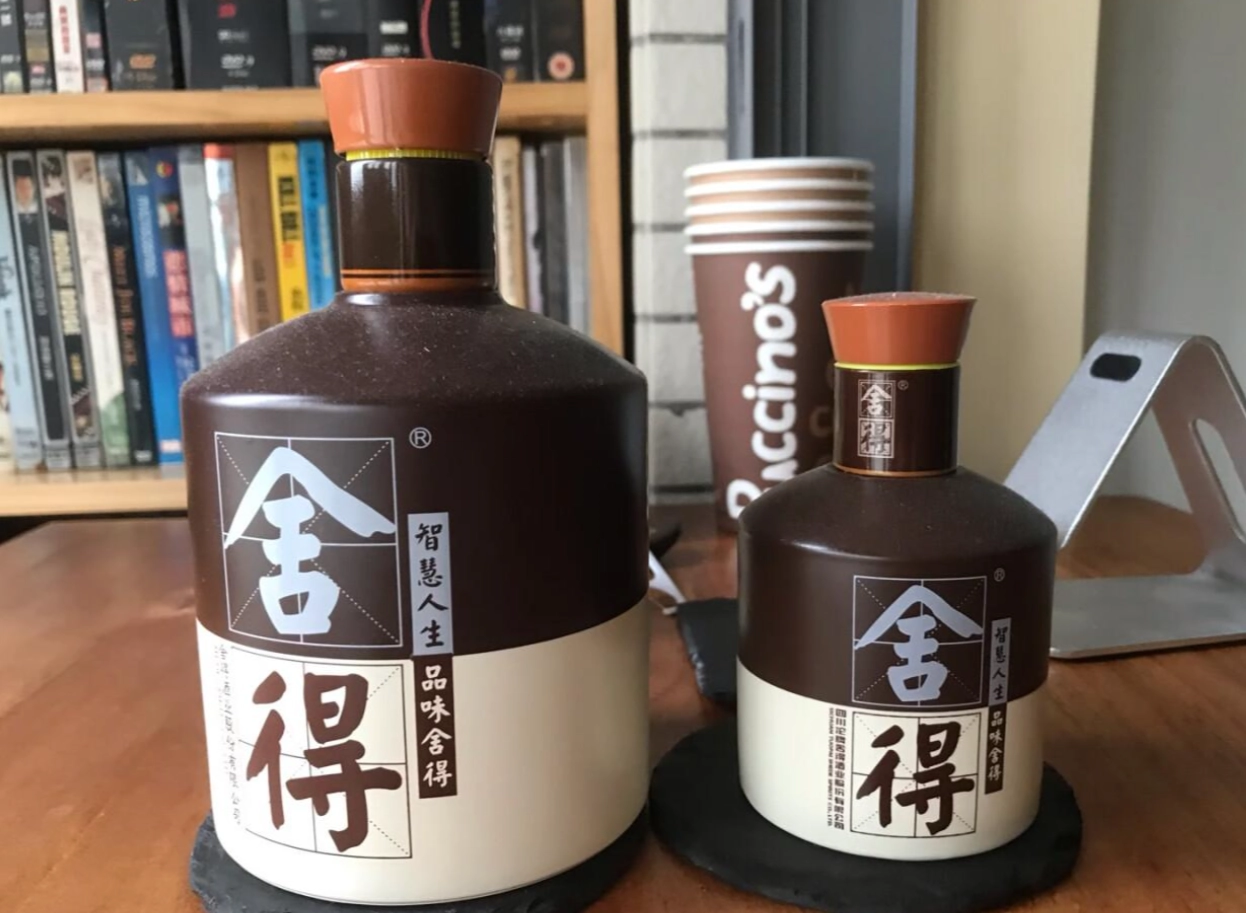
At a sensitive moment when the sub-high-end baijiu sector is collectively mired in a frozen sales period, with channel price inversions and high inventory pressure transmitting through every layer, Fosun's core baijiu asset Shede Spirits has completed a meaningful transfer of power. Tang Hui has formally been elected chairman and continues to concurrently serve as president, with the legal representative, chairman, and general manager roles all consolidated into one person.
This governance restructuring, carried out under the cover of a board reshuffle, appears to be a calm and routine transition of terms. But when one peers into the cards held by the actual controller and the operator, it becomes clear that the Fosun system, in the cold night of the baijiu industry's deep bottom, has completely abandoned the rough-and-ready model bearing the strong local distillery flavor and instead placed its final chips on the channel scalpel of refined fast-moving consumer goods tactics.
Equity Penetration: Guo Guangchang Firmly Seated as Actual Controller
Following the traces left in the industrial and commercial registration to penetrate the asset framework of one of the six golden flowers of Sichuan baijiu, the ultimate ownership of capital voice is clearly recorded in Tianyancha archives. According to Tianyancha App, Shede Spirits Co., Ltd. has registered capital of approximately 332 million yuan, and controlling shareholder Sichuan Tuopai Shede Group Co., Ltd. holds approximately 30.32% of the equity. After equity penetration, Fosun helmsman Guo Guangchang is firmly seated as the actual controller, with ultimate beneficial ownership of approximately 8.13%.
This set of ownership data from Tianyancha directly shatters earlier marginal rumors in the market that Fosun might sell baijiu assets to recover liquidity: the major shareholder's equity remains rock-solid, and Guo Guangchang is still closely watching every money bag and tactical shift at Shede from behind the scenes.
Tang Hui Steps to the Fore: Two Decades of P&G FMCG Background
Since actual control has not wavered in the slightest, what exactly is the deeper force pushing Tang Hui to the forefront to assume sole leadership?
The key breakthrough clue lies in Tang Hui's professional background. Before parachuting into Shede at the end of 2023, Tang Hui had honed his skills for a full twenty years in the FMCG powerhouse P&G system, progressing from grassroots sales outlet development and national distribution channel operations to serving as head of the Greater China business group. This is a standard resume of an operator from a multinational daily chemicals giant, whose core muscle memory consists of only two things: extremely rigorous control over terminal capillary channels, and refined accounting of goods circulation efficiency and inventory turnover.
The introduction of this capability is precisely the remedy Shede Spirits most urgently needs at present.
Old Model Fails: Inventory-loading Bubble and Price Inversion
In past years, during the baijiu industry's rapid upward cycle, Shede leveraged its aged liquor strategy, high-end pricing, and the ecosystem synergy narrative after Fosun's entry to produce a dazzling wave of performance expansion. However, under the squeeze of weakening demand from both macro business banquets and mass consumer demand, the sub-high-end baijiu industry's logic has violently collapsed. The performance bubble previously inflated by loading inventory onto channels and padding distributors' book inventory quickly evolved into vicious cross-region dumping and wholesale price inversion after terminal sales slowed.
The rough logic of the baijiu industry—relying on big distributors to eat and drink well, and being able to lie down and earn channel fees as long as kickbacks are sufficient—has completely failed in the face of stock-game competition.
Wartime Command Authority: Four-Power Cultivation and Channel Destocking
Tang Hui's full assumption of leadership after nearly three years as president marks Shede Spirits' complete departure from the old playbook of relying on capital hype and channel stuffing. From promoting intensive cultivation of the four powers—product, brand, channel, and organization—to forcibly controlling the market and prices and assisting channels with destocking, what Tang Hui brings is the P&G-style FMCG system's grid-based reshaping of traditional tobacco and liquor stores and distributors. Letting Tang Hui, who combines multinational FMCG methodology with Fosun's credit, hold sole decision-making power is essentially the board shortening the decision-making chain and granting the frontline operator the highest level of wartime command authority, so as to drive existing aged liquor from distributors' warehouses to consumers' dining tables as quickly as possible.
Board Balancing Act: Fosun Operations and Local State-Owned Capital Interlocking
The deeper and more subtle game is reflected in the balancing act between capital and local government behind the new board.
As a listed enterprise transformed from state-owned holding and rooted in Shehong, Sichuan, Shede Spirits is not only the listed flagship of Guo Guangchang's greater consumer map but also the lifeblood of local fiscal revenue and regional industrial stability. In this reshuffle, for the first time, the Shehong state-owned assets representative pushed a senior executive with a fiscal and state-owned asset supervision background into the board's strategy committee, forming a dual-wheel interlocking of Fosun operating the business and the locality strictly guarding asset safety.
Letting a professional manager who understands FMCG and modern corporate governance firmly occupy the top position can not only deliver a more attractive cash flow report card on the commercial level but also give local state-owned capital a reassurance regarding the bottom lines of taxation and employment.
Returning to Consumer Goods Common Sense: Can FMCG Tactics Break the Cycle Curse
This ultimate management reshuffle in early autumn sends the coldest signal to the entire baijiu sector: after the grand drama of capital empowerment and aged-liquor sentiment has played out, baijiu must ultimately return to the consumer goods common sense of being sold one bottle at a time. Guo Guangchang retreats behind the scenes to firmly guard property rights, Tang Hui holds the scepter and wields the knife at channels, and Shede Spirits is using modern FMCG tactics to fight to the death in China's most traditional and most jianghu-like baijiu arena.
But when the entire industry is desperately moving downmarket to seize the leftover stock of mass ration liquor, whether a distillery focused on sub-high-end and aged-liquor premiums can break the cycle curse through FMCG tactics is the hard battle this P&G veteran must break through head-on.