Adidas raises China unit's registered capital to 500 million yuan
Adidas lifted the registered capital of its China subsidiary from 180 million to 500 million yuan, a 178% increase that signals a deeper local push after its sales recovery.
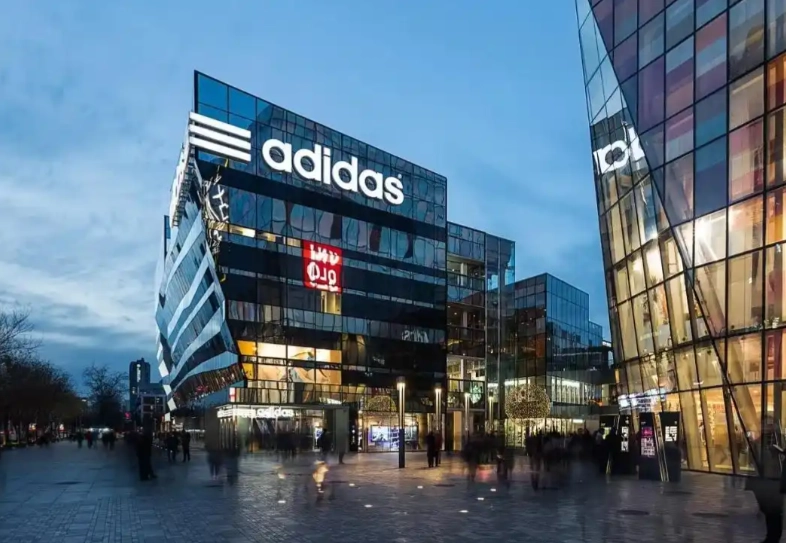
Adidas has raised the registered capital of its China operating unit to 500 million yuan (about $70 million) from 180 million yuan, an increase of about 178%.
The move is a vote of confidence from the German group's Herzogenaurach headquarters in its Greater China management, after a long stretch of inventory clearance, distributor defections and falling revenue. It also signals a fresh push against local rivals.
What the registry shows
Corporate records on Tianyancha, a Chinese business database, show Adidas Sports (China) Co Ltd completed the registration change in recent days. The entity was set up in April 2007 and its legal representative is Xiao Jiale.
Its business scope covers wholesale, retail, import and export, and commission agency for sportswear, sporting goods, eyewear, watches, cosmetics and electronics. It is wholly owned by Adidas Beteiligungsgesellschaft mbH.
From recovery to reinvestment
The capital increase rests on a turnaround under Xiao, who took charge of the China business after Bjorn Gulden, the former Puma chief executive, became Adidas group CEO.
Adidas had suffered an unusually deep slump in China. It was hit by the Xinjiang cotton backlash, designs that missed shifting Chinese tastes, slow digital channels and billions of yuan of unsold stock during the pandemic. Greater China revenue fell by double digits for several consecutive quarters, and Anta and Li Ning overtook it in market share.
The revival came from the retro T-Toe silhouettes — Samba and Gazelle — and a rebuilt performance running line, which put Greater China revenue back on a path of consecutive growth.
From "made in China" to "designed in China"
More than 80% of Adidas products sold in China are now designed and produced locally, according to the company. That marks a shift from the old model in which planning, patterns and core technology were set in Germany and handed to China quarterly.
The new funds are meant to back the expansion of the Shanghai R&D center and the Suzhou automated logistics and distribution center, and to upgrade a flexible, fast-response supply chain. The wholesale, retail and trading licences in the registry show the money can move across the full chain.
- Faster reorders: matching Anta, Li Ning and unbranded competitors during e-commerce promotions requires supply chain decisions made onshore, and more working capital to balance raw material stocking against production schedules.
- Channel expansion: deeper capital strengthens Adidas's credit standing with large Chinese commercial property groups and regional distributors as it pushes into lower-tier cities.
The competitive squeeze
The global sportswear market is in turmoil. Nike is losing momentum in Greater China amid weak innovation and channel destocking, while Anta has bought a stake in Puma and built a multi-brand portfolio around Arc'teryx and Salomon, pressing into premium and global markets.
That leaves a window for Adidas to take share from Nike and block local brands moving upmarket.
Risks ahead
The first is the fading life cycle of the retro trend. Samba and low-profile shoes are past their peak, and without hit technical products in high-repeat categories such as premium racing shoes, women's yoga and outdoor, the brand could slide back into discounting.
The second is balancing large-format stores against franchise sales in smaller cities. Flagship stores face high rent and weak sales per square metre. With consumers increasingly price-conscious, Xiao's team must find lighter retail formats to capture growth in emerging cities.
The registry filing sends a clear signal to the apparel and global retail industries: multinationals have not given up on China. They are deepening capital ties and local mandates for a harder fight. The 500 million yuan sets a financial floor, but turning it into a steady stream of hit products and brand loyalty is the test that follows.