Huadian New Energy, Connell form green hydrogen JV in Jilin
Huadian New Energy will hold 60% of a 10 million yuan Songyuan venture with chemical group Connell, turning curtailed Jilin wind and solar power into hydrogen for local plants.
Huadian New Energy has formed a green hydrogen joint venture with Jilin chemicals group Connell in Songyuan, northeast China, with registered capital of 10 million yuan (about $1.4 million).
The tie-up pairs a state-owned wind and solar developer with a local industrial consumer of hydrogen, an attempt to break the sector's central deadlock: green hydrogen plants are easy to build and hard to sell. Huadian New Energy Group Co Ltd holds 60% of Songyuan Huadian Connell Hydrogen Energy Technology Co Ltd and Jilin Connell Investment Group Co Ltd holds 40%, according to corporate records database Tianyancha.
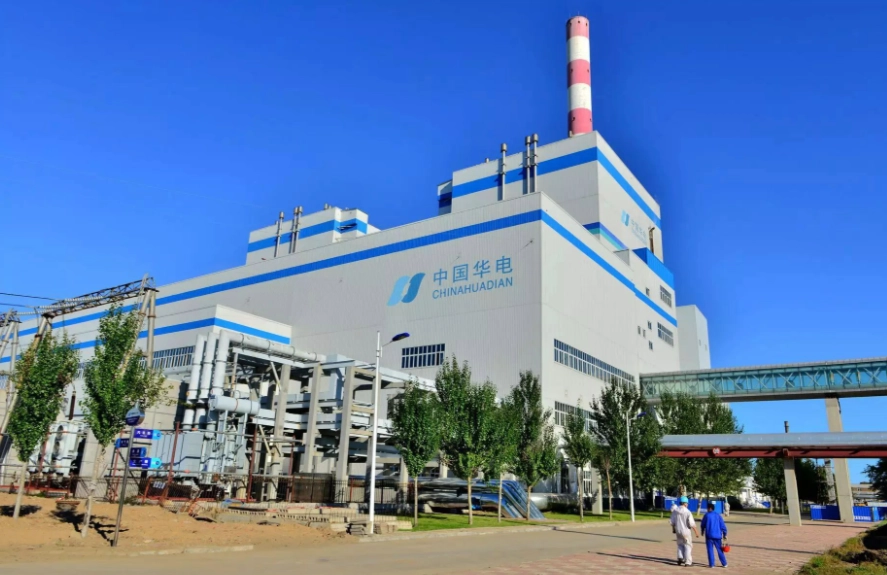
The venture's legal representative is Zhou Yang. Its business scope runs from gas and liquid separation and purification equipment manufacturing to energy storage technology services, hydrogen refuelling and storage facility sales, and new energy research and development.
Why a chemicals partner
The 60-40 split gives the state-owned side control over compliance, investment discipline and renewable energy quotas. It also locks in a private chemicals producer with ready-made demand for hydrogen on the downstream side.
Jilin's western wind and solar belt around Songyuan and Baicheng has seen large-scale wind farms and centralized solar plants connect to the grid in recent years. New cross-province ultra-high-voltage lines have lagged, and local heavy industry has slowed, leaving surplus power at peak generation hours.
Consumption-rate floors set by the national energy authorities are pushing big state generators to find ways to absorb gigawatt-hour volumes of green power outside the grid. Making green hydrogen, green ammonia and green methanol is widely seen as the most practical way to move large volumes of intermittent renewable energy into industrial use.
Songyuan has salt cavern gas storage and an established petrochemical corridor. Converting otherwise curtailed power into hydrogen there eases curtailment pressure and turns low-value intermittent electricity into a higher-value industrial gas.
Downstream demand is the bottleneck
Nationwide, green hydrogen projects struggle to sell their output. Supplying fuel-cell trucks through hydrogen stations absorbs only kilograms or tonnes of gas — nowhere near the volumes from electrolyzers rated in the hundreds of megawatts.
The practical route is coupling electrolysis directly to heavy chemicals: replacing coal- and gas-based hydrogen for ammonia, methanol and fine chemicals.
Connell, a Jilin-based private chemicals group with revenue in the tens of billions of yuan, makes aniline and fine chemicals and runs coal chemical plants with large, steady demand for hydrogen feedstock. Under the structure, Huadian supplies low-cost green power and Connell buys the hydrogen through a direct pipeline connection inside its plant boundary.
The venture's equipment-manufacturing mandate points to a second ambition. Large-scale deployment of alkaline and proton exchange membrane electrolyzers is driving demand for gas-liquid separators, high-purity hydrogen purification skids and storage vessels. By building and selling such equipment through the joint venture, Huadian New Energy aims to move beyond buying kit from third-party suppliers and keep some equipment margins inside the partnership.
The venture also sends a signal to the wider industry: developing renewables on subsidies and guaranteed grid offtake is running out of road, and the new contest is binding big industrial users to hydrogen production.
Still, the economics remain unproven. Green hydrogen costs more than fossil-based hydrogen, and electrolyzers face tough durability tests under wide swings in power supply. Whether the Songyuan venture can post a positive full-lifecycle return on a real chemicals production line is a question management will have to answer on site.