Xiaomi Registers MiMo Artwork Copyright and Trademarks for AI Model
Xiaomi has registered artwork copyright and multi-class trademarks for its MiMo AI model, extending legal protection across its hardware ecosystem.
Xiaomi has registered a copyright for artwork tied to its Xiaomi MiMo AI model and holds "XIAOMI MIMO" trademarks across several classes, building a brand identity for the model at the center of its device strategy.
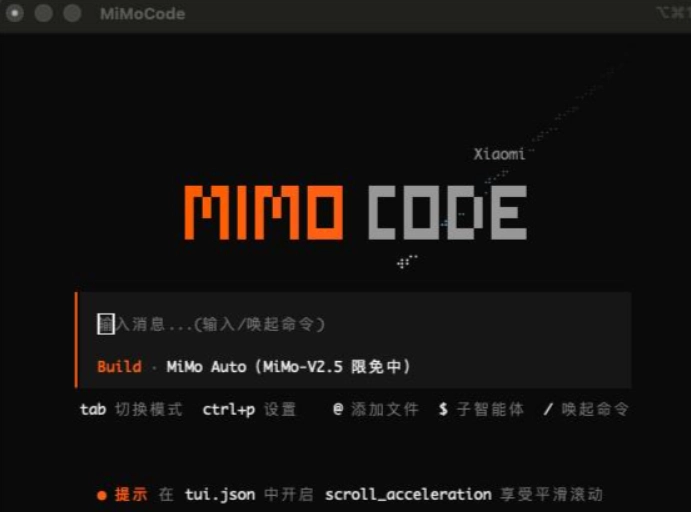
The filing, recorded in corporate database Tianyancha, suggests the company has settled on a visual identity for MiMo — the large language and multimodal model family pitched as the AI brain behind its phones, cars and home appliances.
Trademark and copyright trail
Xiaomi Technology Co Ltd registered the copyright for the "Xiaomi MiMo" artwork, with the work category listed as fine art, according to Tianyancha. The company had already registered "XIAOMI MIMO" trademarks in multiple international classes.
Xiaomi Technology was founded in March 2010. Its legal representative is Lei Jun, its registered capital is about 1.48 billion yuan (about $208 million), and its business scope covers communications equipment sales and wholesale and retail of household goods. Lei Jun and Liu De are its co-shareholders.
Why copyright alongside trademarks
Trademarks in China are filed and protected by class. Even a company that registers marks in core categories such as telecoms and software cannot fully block speculators from filing similar marks in unrelated classes.
Copyright works differently: a logo, mascot or animated interface registered as artwork is protected from the date of creation, and that protection reaches across all 45 trademark classes. Xiaomi can use the earlier copyright to challenge or invalidate copycat filings in any category.
MiMo's place in the lineup
MiMo is not a peripheral product but a core part of Xiaomi's AI strategy. Built by the company's large-model team, it handles reasoning, on-device visual understanding, and active responses in smart cockpits and smart homes.
As AI moves from the back end to the user-facing front, it needs a concrete identity: an animated avatar on a car's central screen, a glowing prompt on a phone, or a badge on a future robot.
Registering the artwork implies Xiaomi has finalized a visual identity system or virtual agent design for the MiMo series. The company appears to be avoiding the kind of image misappropriation it faced with Xiao Ai, its voice assistant, when third parties built accessories and ecosystem products around it.
Clearing the way into everyday hardware
The earlier trademark filings extended to fitness equipment and kitchen fixtures — everyday home categories. For Xiaomi, which runs one of the world's largest consumer IoT platforms, the "human-car-home" ecosystem ultimately runs through treadmills, exercise bikes, smart range hoods and dishwashers.
As MiMo is deployed in lighter form on edge devices, fitness machines could use AI and sensors to correct a user's posture in real time, and kitchen appliances could judge cooking doneness. Covering these products with the MiMo trademark and artwork blocks white-label factories from borrowing the AI name, and lays the groundwork for a "MiMo Inside" certification badge along the lines of Intel's.
Signal to the industry
The move sends a clear signal to the consumer electronics and AI supply chain: competition over frontier models has moved from papers and leaderboards into brand assets, visual identity and ecosystem defense.
Xiaomi has secured a graphic moat around its core platform at low legal cost. Whether MiMo can break through technical homogeneity and deliver a genuinely differentiated experience across Xiaomi's hardware — as phone and car giants pour money into their own AI agents — is the question Lei Jun's team must now answer on the product side.