China CSRC opens second probe into Xiangyuan chairman Yu Faxiang
China's CSRC has opened a second probe in two years into Yu Faxiang, chairman of Xiangyuan Group, as debt defaults and forced share sales erode his control.
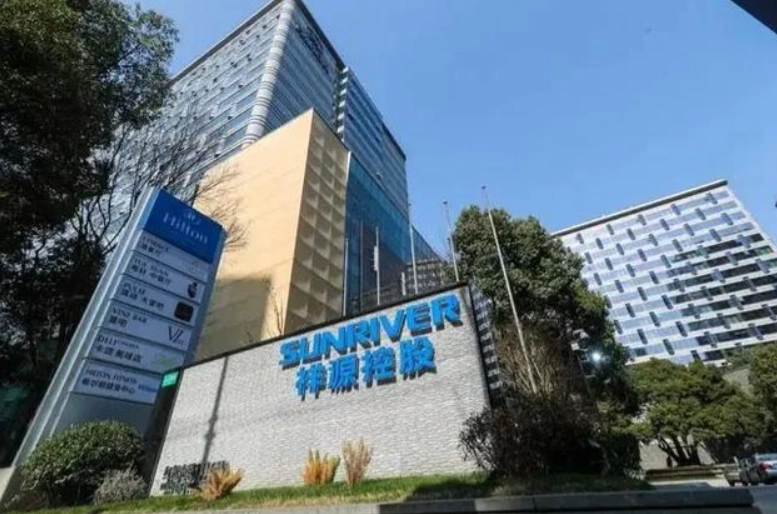
Yu Faxiang, who controls the Xiangyuan group, faces a second China Securities Regulatory Commission probe in two years after his two A-share companies disclosed a case-filing notice over suspected information disclosure violations.
Xiangyuan Culture Tourism and Jiaojian Co announced the notice in simultaneous filings. Both said Yu holds no management post at either company and that operations are running normally.
The filing adds to a run of regulatory, criminal and debt problems around the group. Yu has already been penalised over undisclosed fund transfers, is subject to criminal coercive measures, and has seen shares in his companies frozen and auctioned.
How the group is owned
Xiangyuan Holding Group was set up in 2002 with registered capital of 900 million yuan (about $127 million), according to corporate records database Tianyancha. Yu is its legal representative and actual controller.
The holding company owns 44.32% of Jiaojian Co. It also wholly owns Xiangyuan Tourism Development Co and Anhui Xiangyuan Culture Development Co, which hold 37.38% and 20.56% of Xiangyuan Culture Tourism respectively — about 58% combined.
Tianyancha also lists several consumption restriction orders against Xiangyuan Holding Group, naming Yu as the person restricted. Such orders bar spending on flights, hotels and other luxuries until court judgments are met.
That layered structure sits at the centre of regulators' concern about how funds move between the listed companies and related parties.
The first penalty
At the end of 2024, the Zhejiang branch of the China Securities Regulatory Commission penalised Yu and Xiangyuan Culture Tourism. The regulator found they failed to disclose as required the non-operational occupation of company funds by the actual controller and related parties.
The group's asset-heavy push into tourism property, theme towns and infrastructure had run into a severe cash-flow squeeze. Money was moved out of the listed company to support affiliated entities, according to the findings.
Defaults and forced share sales
A bigger trigger was a wave of missed payments on directed financing products that Xiangyuan Holding Group listed on local financial asset exchanges. More than 10 billion yuan (about $1.4 billion) of the products went unpaid, and Yu carried joint guarantee liability.
Yu was later placed under criminal coercive measures. Creditors sued to seize assets, and shares held by the group and its concert parties were frozen in succession and pushed toward judicial auction.
The auctions have already reshaped the shareholder register. Anhui Xiangyuan's 105.5 million shares in Xiangyuan Culture Tourism were won by Zhejiang Provincial Tourism Investment Group and transferred, cutting Yu's side to about 48% from nearly 58%.
At Jiaojian Co, Zhejiang Economic Construction Investment Co took nearly 16% through a court auction, diluting Xiangyuan Holding Group's direct stake to 28%.
Xiangyuan remains the largest shareholder on paper. But successive spending bans, the criminal investigation and forced share sales are turning the state investors from financial buyers into industry leads.
A record of leverage
Tianyancha shows 900 million yuan of registered capital at the flagship holding company and four consumption restriction orders against Yu. The Chinese report describes him as an early beneficiary of the restructuring saga at Wanjia Culture, in which actress Zhao Wei was involved.
The remaining question for the market is whether the Xiangyuan group can hold its last red line of control.