XinYa Circuit Halts Trading to Buy Qiyuan Gas in Specialty Gas Pivot
XinYa Circuit suspended trading to acquire control of Shanghai Qiyuan Gas, betting on semiconductor specialty gases to shore up its struggling core business.
XinYa Circuit has halted trading and agreed to buy control of Shanghai Qiyuan Gas Development Co., a move into electronic specialty gases for the Shenzhen-listed distributor of electronics-production supplies.
The deal marks a turn toward semiconductor materials for a company whose core distribution business is under margin pressure and whose past governance problems have drawn regulatory penalties. It is structured as an issue of shares plus cash, with supporting funds to be raised.
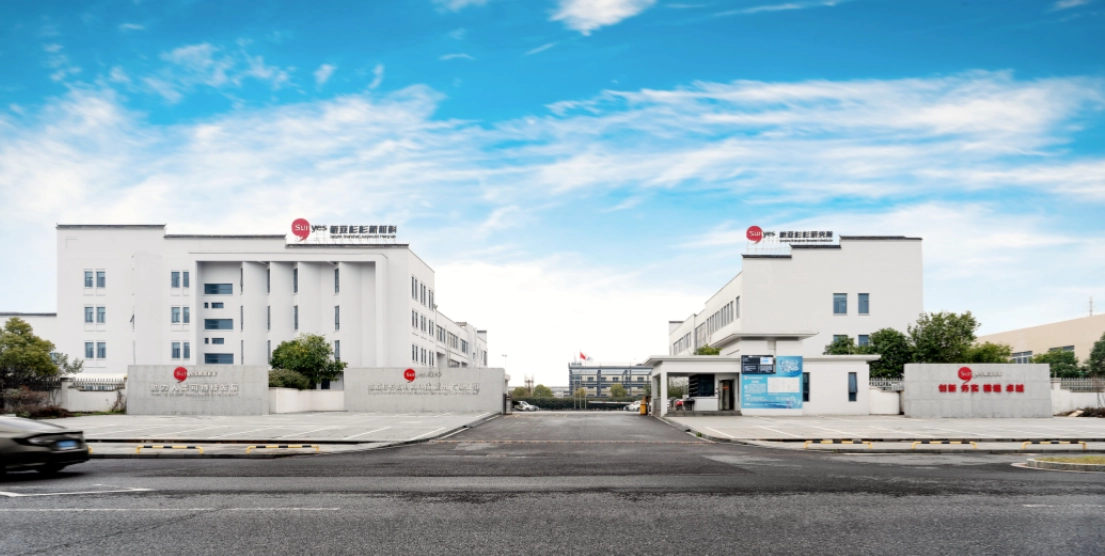
The target's technical base: a patent still under examination
Qiyuan Gas's key asset is an invention patent application for "an electronic-grade high-purity hydrogen sulfide and carbon dioxide product and its production method," according to corporate records database Tianyancha. The application was published in April and is currently in substantive examination.
The filing describes multi-stage gas separation, purification and absorbent recycling to meet the purity demands of wafer etching and thin-film deposition. It points to the segment XinYa Circuit wants to enter: electronic specialty gases, often described as the blood of semiconductor manufacturing.
China's high-purity specialty gas market has long been dominated by foreign majors including Linde, Air Liquide and Taiyo Nippon Sanso. Localization rates remain low in corrosive, highly toxic and hard-to-purify categories such as high-purity hydrogen sulfide.
As Chinese fabs and panel plants buy more domestically, companies able to supply 6N (99.9999%) gases command high valuations. Qiyuan Gas is still small, but its purification research gives it the kind of hard-tech story the market rewards.
Why the deal is happening: a shrinking core business
XinYa Circuit distributes electronic tools, instruments and chemical adhesives used in electronics production. It is a capital-heavy, low-margin channel business that depends on demand from consumer electronics and device makers.
A cyclical downturn in consumer electronics and intense price competition have squeezed its gross margins. The company has also been penalized repeatedly over non-operating fund occupation by its former controlling shareholder and related parties, and over disclosure violations. It faces investor lawsuits and compliance problems.
With regulators tightening the value of listed-shell status and questioning companies' ability to keep operating, standing still on the trading business leaves the company's valuation and listing at risk.
The logic: earnings consolidation and a new story
The trading halt locks in control of Qiyuan Gas and serves two purposes.
First, the shares-plus-cash structure lets XinYa Circuit consolidate Qiyuan Gas's specialty gas assets and potential revenue while limiting immediate cash outflow, improving gross margins and asset quality on its financial statements.
Second, grafting a semiconductor specialty gas concept onto a legacy electronics-tools distributor resets how the market sees its business, building a high-tech shield for future private placements and a valuation recovery.
Two cliffs: commercialization and integration
The plan faces risks on both technology maturity and asset integration.
The patent is still under substantive examination and has not been granted, so its exclusivity is not yet secured in law. More concretely, a laboratory purification patent is very different from stable industrial-scale output.
Winning supply approval at mainstream foundries or memory chip makers takes years of qualification, ppb-level testing for trace metal impurities and strict batch-consistency checks. It is highly uncertain when an examined process can clear customer audits and become real commercial orders.
Integration carries deeper risks. Electronic specialty gases are a capital-intensive chemicals business with strict safety and hazardous-chemicals storage and transport licensing. XinYa Circuit, a trading and distribution company, has little operating experience in hazardous gases, specialty gas pipelines or developing semiconductor customers.
If the acquisition closes at a high premium and creates large goodwill, and the target misses its performance commitments as industry giants expand capacity, the listed company would face not only a broken technology dream but a second financial hit from goodwill impairment.
Signal and test
The October trading halt sends a clear signal to China's M&A market: traditional asset-light listed companies facing shrinking core businesses are turning faster to restructuring to reach hard-tech assets.
XinYa Circuit has bought itself time. But against the semiconductor materials industry's strict qualification barriers and long commercialization cycles, whether the examined high-purity gas patent is a cure or a distant concept is the test it must pass once the deal terms are published.