11% Joint Stake Ignites Limit-Up Frenzy: Joyoung's Traditional Small Appliance Breakout Anxiety Behind the Shattered Huawei Halo
Joyoung's stock rode the Huawei concept to consecutive limit-ups, but it's really just an 11% weak-link equity stake, reflecting the breakout anxiety of traditional small appliance makers.
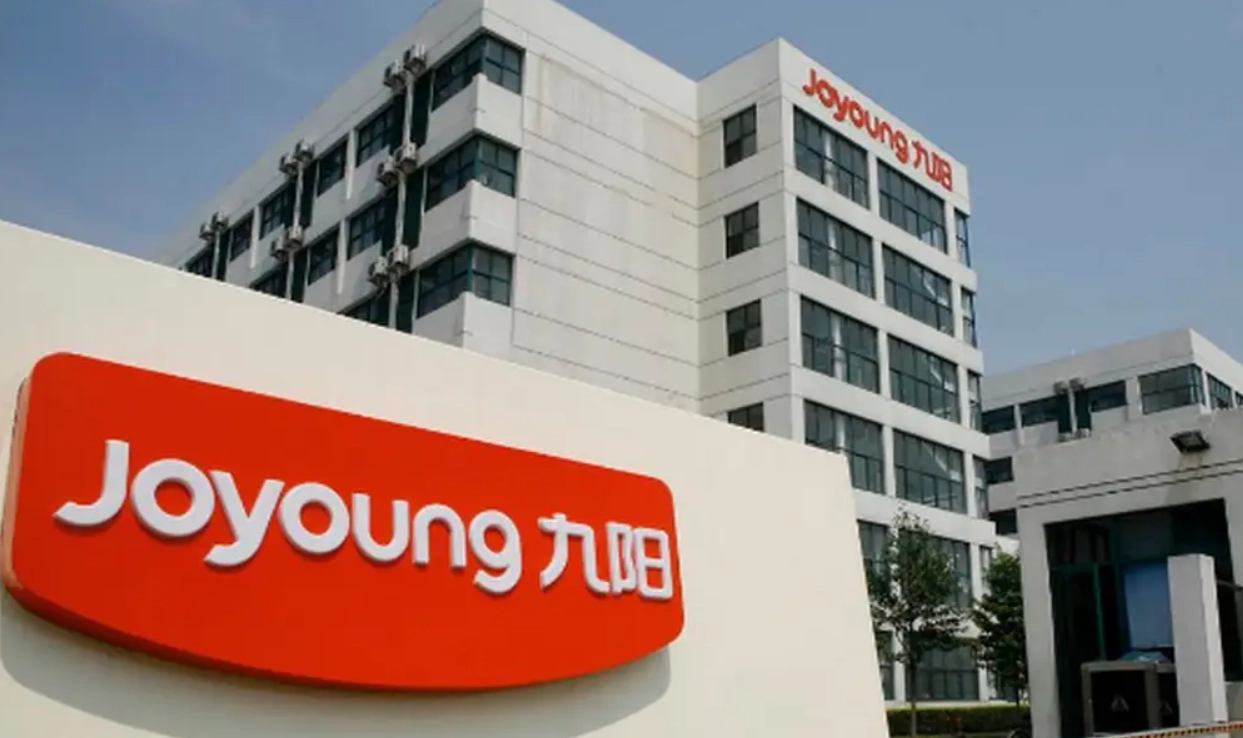
After its stock price hit the daily limit for two consecutive trading days, Joyoung issued a late-night announcement of unusual stock trading, shattering all romantic imaginings in the secondary market about a "Huawei HarmonyOS strategic partnership" in an almost resolute tone. There were no major undisclosed matters, no so-called strategic cooperation, no consolidation into the financial statements, and it even explicitly stated that no substantive business synergy has been formed to date.
This carnival party directed by hot money and speculative funds was instantly put on pause under the company's extremely cold compliance clarification. But if this unusual trading is viewed merely as the usual copycat speculation in A-shares and a listed company's routine clarification, then the key clues buried deep in the underlying commercial equity map would be completely overlooked—why exactly would an old white-horse company mired in the stock-killing competition of the kitchen small appliance market cross paths with a communications giant placing bets throughout the deep waters of hard tech in the shareholder register of an AI startup?
Equity Penetration: A Weak 11.23% Connection
Following the traces left in the industrial and commercial registration to penetrate the target entity thrust into the spotlight, the so-called countless ties are clearly documented in Tianyancha records. According to the Tianyancha App, Deep Thinking Artificial Intelligence Robot Technology (Beijing) Co., Ltd. was established in 2015 with registered capital of approximately 14.66 million yuan. Natural person Yang Zhiming firmly holds the position of absolute controlling largest shareholder with a shareholding ratio of approximately 67.30%;
Joyoung holds approximately 7.92%, while Hubble Technology Venture Capital Co., Ltd., wholly owned by Huawei Investment Holding Co., Ltd., holds approximately 3.31%.
The combined equity of the two giants in Deep Thinking is only a mere 11.23%.
In the legal logic of corporate governance, a financial stake of this size cannot even secure a single core director seat with substantive veto power for either party, let alone trigger a major asset restructuring or deep business binding. Joyoung entered early on, and its initial aim was merely a forward scouting mission in the early wave of smart kitchen hardware; Huawei Hubble's follow-on move was its customary broad-net industrial ecosystem sweep in chips, sensors, and edge algorithms.
However, under the magnifying glass of speculative funds' keen sense of smell and concept hunger, as long as the codes of Joyoung and Huawei Hubble appear together in the shareholder register of the same target, it is enough to be rigidly copied and pieced together in information cocoons into a super story model of "Joyoung joins hands with Huawei to push AI embodied intelligence."
Deep Cause: Bottom-Fishing Panic in the Small Appliance Track
The deep cause of this abnormal surge and plunge has never been how strong Huawei's gravitational pull is, but how deep the panic is over the bottoming out of the traditional small appliance track.
As a national brand that started with the myth of the soy milk maker, Joyoung has deeply experienced the merciless squeeze of shifting consumer cycles and the ceiling of kitchen scenarios over the past several years. The early-adopter dividend of internet-famous categories such as air fryers and high-speed blenders quickly receded, and small appliances are degenerating from the quality-upgrade myth of discretionary consumption into a red-ocean quagmire of low ticket prices, low repurchase rates, and encirclement by Pinduoduo white-label brands on all sides. Whether facing Midea and Supor's scale crushing across full-category supply chains, or Bear and other new consumer brands' agile slicing through appearance-focused marketing, Joyoung's profit center and revenue growth have long hovered at a bottleneck.
In the eyes of the secondary market, a traditional manufacturing target selling juicers and rice cookers has long lost its valuation premium, and Joyoung urgently needs a valuation lever capable of completely transforming itself—and brain-inspired AI, humanoid robots, and the most rallying Huawei concept are exactly the poison the current market is willing to pay for.
Industrial Chasm: Grafting AI onto Soy Milk Makers Cannot Solve Core Pain Points
However, pulling back the tempting curtain of capital premium, there is an insurmountable industrial chasm between kitchen appliances and general AI.
Forcibly grafting Deep Thinking's multimodal interaction or semantic understanding technology onto soy milk makers or cooking machines, apart from adding a useless voice interaction screen on the product surface and turning originally inexpensive chips into high-priced intelligent gimmicks, cannot solve the core pain points of users finding pot washing troublesome and ingredient preparation cumbersome. Without forming a killer experience, blindly piling on AI concepts will only push up BOM costs and backfire on terminal sell-through.
More realistically, because Joyoung has not consolidated Deep Thinking into its financial statements, this startup's R&D expenses and commercialization losses in natural language processing and edge computing cannot contribute even a single penny of real profit to Joyoung.
Warning Bell Rings: Clout-Chasing Hard Tech Will Eventually Be Exposed
This rumor-busting and unusual trading in early autumn has sounded a warning bell for the entire home appliance and hardware manufacturing sector: Under the常态 of concept speculation being closely watched by high-pressure regulation, any trick that attempts to clout-chase hard tech giants through weak shareholder connections penetrated layer by layer will be exposed for what it is before the legal red line of information disclosure. Joyoung's clarification preserved its own dignity of disclosure compliance, but after the concept tide recedes and the stock price dehydrates, how to break the stock deadlock in its soy milk maker main business remains a long reef this old-brand home appliance company must face beyond the announcement.