ChaPanda halted as Hong Kong regulator probes suspected IPO fraud
Hong Kong's SFC halted ChaPanda's shares and froze HK$4.5 billion (about $580 million) in assets while probing suspected fake demand for its IPO.
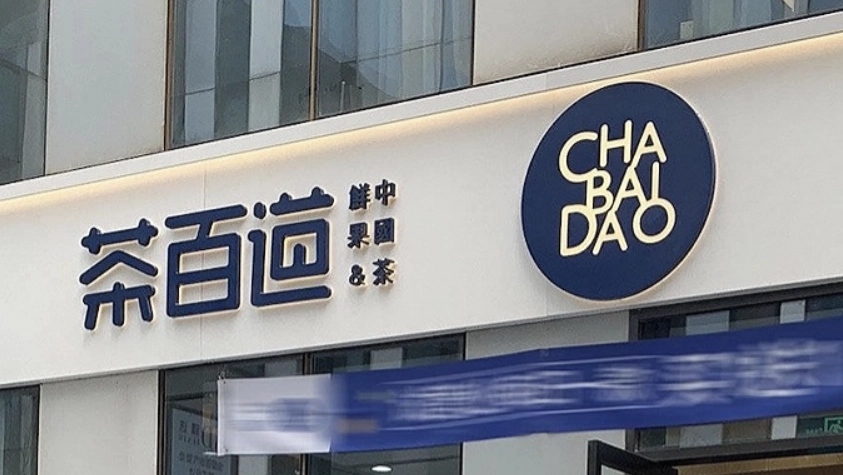
Hong Kong's securities regulator ordered trading in ChaPanda suspended on Oct. 13, saying it is investigating suspected fraud to create artificial demand for the tea chain's IPO and is restricting dealings in more than HK$4.5 billion (about $580 million) of assets.
The Hong Kong Securities and Futures Commission (SFC) rarely invokes Section 8(1) of the Securities and Futures (Stock Market Listing) Rules, which lets it direct the Hong Kong Stock Exchange to halt a stock. The action moves the fight beyond secondary-market volatility and into the capital structure and franchise-supply model that underpins ChaPanda's multi-billion-dollar valuation.
A direct order to the exchange
The SFC issued the instruction early on Oct. 13, ordering the exchange to suspend ChaPanda immediately. The regulator said it is acting against a group suspected of taking part in a fraudulent scheme to manufacture false demand for the shares.
The freeze targets what the SFC alleges may have been an artificially inflated order book during ChaPanda's IPO. The company listed in Hong Kong as the second franchise-run tea chain on the exchange.
ChaPanda, which built its business on supplying thousands of franchisees, is now under scrutiny on two fronts: the capital manoeuvres behind its listing and a shrinking domestic network of operating entities.
Tianyancha filings: 150 million yuan and 40-plus entities
Corporate records on Tianyancha, a Chinese business database, show Sichuan Baicha Baidao Industrial Co Ltd was incorporated in December 2020 with registered capital of about 150 million yuan (about $21 million). Founder Wang Xiaokun is its legal representative.
The registered business scope covers enterprise management, supply chain management services and marketing planning. Shareholders include Sichuan Hengsheng Herui Industrial Group Co Ltd, Wang Xiaokun, Liu Weihong and other core holding platforms and individuals.
ChaPanda controls more than 40 companies, according to Tianyancha. Thirty are still in existence or operating; the other ten-plus have been deregistered.
The filings describe a layered structure of a central holding platform sitting above regional supply-chain and directly operated outlet entities. The 30 surviving companies form the warehousing, distribution and settlement network that moves tea, milk, sugar, packaging and equipment to franchisees nationwide.
The wave of deregistrations points to consolidation after a period of rapid expansion, as the company sheds redundant entities amid pressure on per-store revenue and weak franchise regions.
A 0.5-times subscription and questions of a money loop
The SFC's focus is the suspected manufacture of demand in the IPO. ChaPanda's Hong Kong public offer was only 0.5 times covered, leaving retail demand badly short. With no cornerstone investors, the deal relied on the international placing to reach full size.
The stock fell more than 26% below its offer price on its first trading day and has since slid more than 70% from the IPO price. Market value has shrunk by nearly HK$20 billion.
The regulator's central suspicion is that undisclosed side agreements existed between certain funding groups and parties in the offering. External money may have been used in the placing to create the appearance of oversubscription and hold the offer price up.
Proceeds may then have flowed back to specific parties through channels such as financial product investments or advisory agreements, the SFC alleges, completing an off-balance-sheet loop. The suspension and asset freeze now put the accounts ChaPanda used to defend its valuation under legal examination.
The supply-chain model hits a wall
The deeper commercial problem is a pure supply-chain profit model that depends heavily on franchisee purchases and pays little attention to whether individual stores make money.
More than 90% of ChaPanda's revenue does not come from selling milk tea to consumers. It comes from selling tea leaves, juice, dairy products and custom packaging to thousands of franchise stores.
During the expansion rush, more franchisees and denser new store openings meant healthier supply-chain profit and reported cash flow at headquarters. That arithmetic has reversed.
Store coverage in major cities and in lower-tier cities and rural markets is now saturated. A price war that has pushed cups to 9.9 yuan or less is eroding footfall and delivery margins, and franchisee closures are climbing.
Many existing stores are losing money once high mark-ups on ingredients, rent and labour are paid. Willingness among new franchisees to sign up has fallen sharply.
The deregistration of more than ten subsidiaries and branches on Tianyancha reflects that slowdown in physical terms: regional expansion has stalled, and outlets and local logistics nodes have been cut back.
The answers ChaPanda owes investors
The 150 million yuan of registered capital and the 40-plus controlled entities trace a company that grew from a small campus shop in Wenjiang, in Chengdu, to a listing in Hong Kong.
The SFC's suspension order and the asset restriction close off an era in which listing gains could be stretched through financial engineering and concept packaging, the article argues.
ChaPanda now faces removal from the Hang Seng Index series and a long investigation. It must show that its offering was compliant and shift its focus from capital games back to protecting franchisees' survival, or explain to investors at home and abroad why it cannot.