Canada Goose Faces Backlash Over Shoot Litter and China Record
Canada Goose’s year-long cleanup pledge after a Ningbo ad shoot left litter has renewed scrutiny of its ESG image and China compliance issues.
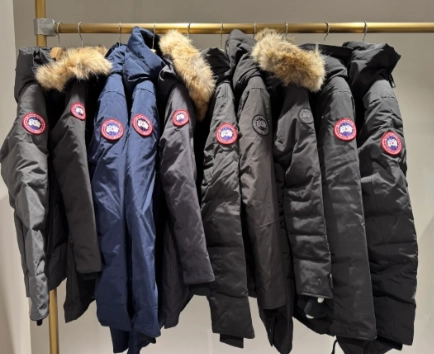
Canada Goose is facing public anger in China after a production crew left litter at a mountain shoot, casting a harsh light on its environmental image and local compliance record.
The incident comes as the premium parka brand promotes sustainability, low-carbon operations and animal protection. It also confronts regulatory penalties, a court enforcement record and the closure of nearly half its Chinese branches.
Litter on Fuquan Mountain triggers cleanup pledge
Cyclists found large amounts of boxed-meal waste, water bottles and production notices bearing the Canada Goose logo after a crew filmed a 2027 New Year product advertisement at Fuquan Mountain in Ningbo Beilun, media reports and the company’s apology said.
After online criticism mounted, Canada Goose apologized and announced an unusual remedy. It ordered the production crew to patrol and clean the mountain every Saturday for a year, from Oct. 17, 2026, to Oct. 30, 2027.
That commitment covers 55 weeks, but the reputational issue extends beyond the cleanup promise.
Canada Goose’s China business also shows a growing list of legal and regulatory strains: false-advertising penalties, regulatory talks, a court enforcement record and a sharp reduction in branches.
China operating hub: branch closures and enforcement record
Corporate registry records from Tianyancha, a corporate records database, identify Xi Ji (Shanghai) Commercial and Trading Co., Ltd. as the brand’s China-linked entity.
The company was set up in June 2018. Its legal representative is RANIERO ADDORISIO DE FEO, and its registered capital is 25 million yuan (about $3.5 million). Its business includes wholesale and retail of clothing, shoes and hats.
It is wholly owned by overseas holding parent Canada Goose Asia Holdings Limited.
| Category | Tianyancha record |
|---|---|
| China-linked company | Xi Ji (Shanghai) Commercial and Trading Co., Ltd. |
| Founded | June 2018 |
| Legal representative | RANIERO ADDORISIO DE FEO |
| Registered capital | 25 million yuan |
| Business scope | Wholesale and retail of clothing, shoes, hats and related products |
| Ownership | Wholly owned by Canada Goose Asia Holdings Limited |
| Branches | More than 20 established; just over 10 remain active or in operation, with nearly half deregistered |
| Compliance and legal record | Maximum administrative penalty for false advertising and talks with multiple authorities; in August this year, the Taiyuan Xiaodian District People's Court ordered enforcement involving 7,700 yuan |
The Shanghai company established more than 20 branches. Only just over 10 are still存续 or operating, meaning nearly half have been deregistered.
Tianyancha records also show that the company received a maximum administrative penalty for false advertising and was summoned for talks by multiple authorities. In August this year, the Taiyuan Xiaodian District People's Court recorded an enforcement target of 7,700 yuan (about $1,085).
The small unpaid amount stands out against Canada Goose jackets, which often cost more than 10,000 yuan in China.
Tianyancha’s records point to friction in the company’s local governance. Legal, financial and administrative processes appear closely tied to its overseas management chain, allowing even minor disputes to become public judicial marks.
The branch closures also reflect a retreat from an earlier rapid rollout of directly operated stores as sales productivity came under pressure.
ESG messaging collides with shoot-site controls
The Fuquan Mountain episode exposes a gap between Canada Goose’s ESG marketing — environmental, social and governance standards — and oversight of outside production teams.
Canada Goose built a distinct premium image through campaigns around polar-bear protection, sustainable down and eliminating virgin plastic. Those themes helped set it apart from rivals including Moncler and Arc'teryx.
The discarded meal boxes and plastic bottles undercut that wilderness-protection image at a time when consumers are increasingly skeptical of brand sustainability claims.
The year-long Saturday cleanup signals accountability. But placing the main blame on a third-party crew also risks making the response look like a public-relations exercise rather than evidence of stronger project supervision.
Premium image tested by quality and service disputes
The deeper commercial challenge is erosion of the premium that once supported Canada Goose’s China prices.
Tianyancha records show the latest controversy is not its first Chinese trust crisis.
Years ago, Canada Goose promoted products using the “warmest Hutterite down” and other exclusive advertising claims. Regulators found those claims conflicted with its actual widespread use of ordinary duck down.
The Shanghai market regulator imposed a 450,000 yuan (about $63,400) maximum fine. The consumer association also held collective talks with the company over a policy that barred returns and exchanges at mainland China stores.
That distinction between China and overseas markets became a symbol of unequal after-sales treatment.
Canada Goose now faces pressure on two fronts. Domestic brand Bosideng is pushing upscale with premium goose down and weather-protection technology, while Arc'teryx and Salomon are attracting high-end consumers with mountain and outdoor style.
The closure of more than 10 branches offers a visible sign of that intensifying competition for existing customers.
Cleanup will end, but trust may take longer
The Tianyancha records — 25 million yuan in registered capital and a branch network cut by nearly half — trace Canada Goose’s shift from a must-have luxury phenomenon to a routine test of compliance and detailed local management.
The weekly mountain patrols are scheduled to end in autumn 2027. Rebuilding trust among outdoor enthusiasts and mainstream Chinese consumers may take much longer.
The litter has challenged Canada Goose’s environmental narrative. The penalties and court record add scrutiny of its local operations. After this controversy, the company will need to show more concrete respect for Chinese consumers and tighter discipline across its supply chain and outside partners.