BAIC BluePark sales approach 200,000 as Arcfox, Stelato ramp up
BAIC BluePark's January-October sales rose 37.9% to 195,878 vehicles, but October growth slowed to 6.42%, testing whether Arcfox and Stelato can deliver profit.
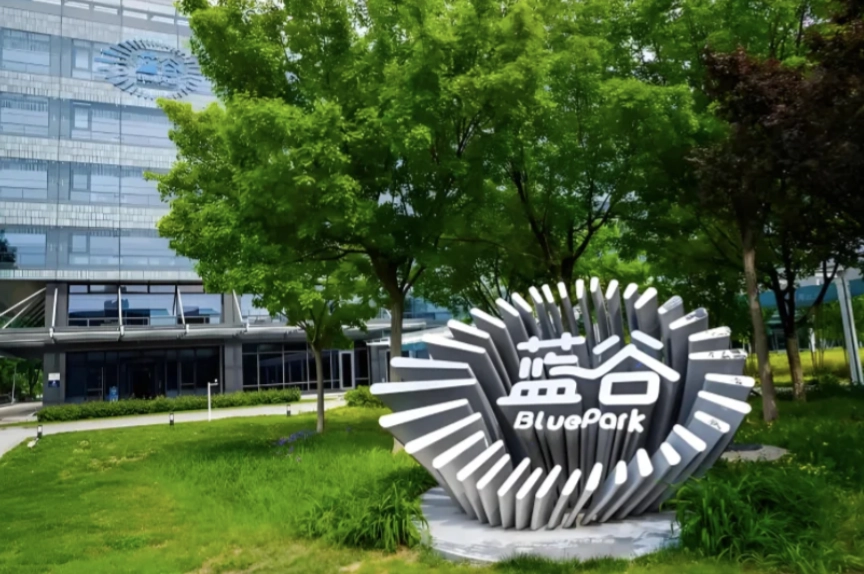
BAIC BluePark's main EV subsidiary sold 32,502 vehicles in October, up 6.42% from a year earlier, taking January-October volume to 195,878 units, a rise of 37.9%.
The figures show the state-owned group's electric-vehicle flagship is no longer leaning on corporate and ride-hailing fleets. Growth now rests on two legs: Arcfox volume in the mainstream market and Stelato, the premium brand built with Huawei.
From a backdoor listing to a 6.37 billion yuan capital base
Corporate records from Tianyancha, a business registry, show BAIC BluePark New Energy Technology was incorporated on 6 October 1992 with registered capital of about 6.37 billion yuan (about $900 million).
Its legal representative is Liu Guanqiao. The registered address is on Donghuan Zhong Road in the Beijing Economic-Technological Development Area, the Yizhuang district that is home to the group's headquarters.
The company was previously known as Chengdu Qianfeng Electronics and then Beijing Qianfeng Electronics, the shell through which it reached the A-share market. Liu, who has both operating and sales management experience, took over as legal representative and chairman earlier this year, a shift from restructuring toward production, product planning and dealer sales.
Arcfox: value plays below 200,000 yuan
Arcfox supplies much of the growth. After cutting its reliance on business-to-business ride-hailing channels, BAIC BluePark used the Alpha T5 and Alpha S5 to push 800V fast charging, high-strength body structures and long range into the 150,000-200,000 yuan (about $21,000-28,000) band.
With dealer expansion into lower-tier cities and flexible financing aimed at young families, Arcfox has held monthly retail sales to consumers above 10,000 units despite cutthroat competition among domestic brands.
That volume has lifted utilization at subsidiary BAIC BJEV's plants, easing the depreciation burden that high idle rates once placed on its accounts.
Stelato S9: a flagship for the 400,000 yuan class
Stelato S9 is the first executive luxury flagship under HIMA, Huawei's smart-vehicle alliance. It is pitched in the 400,000 yuan (about $56,000) class and aimed at the core of BBA's sedan franchise.
Unlike a conventional parts-supply deal, BAIC BluePark built a dedicated plant and production line for Stelato. Huawei contributes its end-to-end autonomous driving algorithms, Tuling chassis and HarmonyOS cockpit.
As deliveries ramp, higher per-vehicle revenue from the S9 is starting to repair a loss structure shaped by heavy research spending and the phase-out of subsidies.
Two tests as growth narrows
October's 6.42% gain was far below the 37.9% pace of the first ten months, a sign of the competition ahead.
1. A ceiling in luxury electric sedans
The 400,000 yuan electric sedan segment is crowded. Tesla's Model S and Model X, Nio and Denza all compete there, while extended-range SUVs from Aito and Li Auto keep pulling high-end families away.
Without a range-extender option or more SUV variants, Stelato's single-model momentum may settle into a steady state once early buyers have taken delivery.
2. Research spending against an unprofitable bottom line
Almost 200,000 sales in ten months are still not enough to fund the research, testing and dedicated premium showrooms needed to stay ahead on smart-driving technology.
The task for Liu's team is to protect Arcfox's base from price wars waged by BYD and Geely while turning Stelato's brand premium into operating cash flow.
The threshold question
The 6.37 billion yuan of registered capital and the Yizhuang headquarters trace a state-owned EV maker that has been through peaks and troughs. Nearly 200,000 deliveries have held its position, and the premium tie-up with Huawei has laid a foundation for rebuilding the brand.
As larger rivals consolidate, whether BAIC BluePark can cross the threshold to profitable scale and self-funding is the question it now faces from investors.