Yuanfeng delivered five sheds for a 120 million yuan farm project
A shell company promised a 120 million yuan (about $17 million) smart farm in Tongliao but delivered five broken sheds, leaving contractors out of pocket and workers unpaid.
A 120 million yuan (about $17 million) "smart agriculture" project in Tongliao, Inner Mongolia, has delivered five sheds after 18 months of construction, state broadcaster CCTV reported.
The site was billed as a showcase of modern farming and a signature achievement for local officials. Instead it has become a case study in how fake agricultural investment extracts money from small contractors — and how readily local governments embrace big-ticket projects.
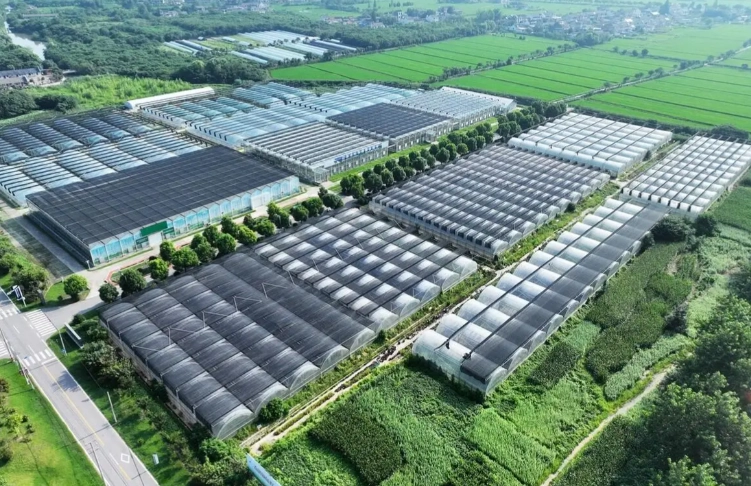
The "smart and efficient agriculture demonstration project" in Qianjiadian town, Horqin District, was planned to cover several hundred mu of farmland (one mu is about 667 square metres). What stands there now, according to CCTV, is three bare steel frames and two collapsing plastic-sheet greenhouses with torn film, sitting on weedy mud. Not a single vegetable seedling has been planted.
A builder registered nine days before the ceremony
Corporate records on Tianyancha, a business database, show the contractor — Inner Mongolia Yuanfeng Agricultural Development Co. — was set up in March 2025 with 5.5 million yuan (about $775,000) in registered capital. Liu Bing is its legal representative, and Liu Maoqiang owns 100% of the company.
The registration came nine days before the project's elaborate groundbreaking ceremony. In July, the company was added to the market regulator's list of businesses with abnormal operations in Horqin District after it failed to publish an annual report, according to Tianyancha.
Yuanfeng had no history of tax payments and no record of large construction work. Yet it took on a project promoted as a priority local investment, which points to a breakdown in vetting at the contracting stage.
A feasibility study, then an outsourcing notice
The operators won official backing with a feasibility study promising tens of millions of yuan in annual profit and hundreds of jobs, CCTV reported. They had no plans to put real money into farming. Instead, they quickly posted notices online offering the greenhouse construction work to outside contractors.
High prices, upfront cash and side deals
The offer was more than 400 yuan per square metre for ordinary greenhouses that cost just over 100 yuan per square metre to build. Small contractors travelled from across the country to bid.
The terms were punishing. Contractors had to finance the entire build upfront, buy steel and greenhouse film from designated suppliers at high prices, and pay large performance deposits.
Through the markup on materials and the deposits, the operators pulled cash back before the site had taken shape. When the contractors' money ran out, the project refused progress payments, citing substandard work. The person in control then disappeared, leaving unpaid labourers and debts behind.
Paper inspections, real losses
Oversight was largely ceremonial. Inspection teams took briefings and reviewed banners at the groundbreaking and acceptance stages, but nobody walked the fields to measure the land or check which assets had arrived, according to CCTV.
The real losers are the villagers who expected to earn from leasing their land and working in the greenhouses. A company with 5.5 million yuan in subscribed capital had leveraged a project pitched at 120 million yuan.