Summer Heat Fuels New Consumption: A Full-Chain Analysis of the Summer Economy Growth Code
Extreme heat is boosting the summer economy, benefiting three major sectors: cooling appliances, cold drinks and ice products, and dining and late-night snacks, with intelligence and health trends driving consumption upgrades.
In the height of summer 2026, the extended "Three Fu" period combined with persistent extreme high temperatures saw heat waves spread from the Sichuan-Chongqing Basin and the Jiangnan water towns to the North China Plain and the hinterlands of the Northwest. Over 400,000 square kilometers of national territory were covered by temperatures above 35°C, with many regions exceeding 40°C and setting new historical records. The South suffered from humid, sweltering heat, while the North endured dry, scorching conditions. Day and night, the heat showed no signs of abating—high-temperature weather evolved from a short-term fluctuation into a long-term climatic feature, profoundly reshaping everyday lifestyles and consumer choices.
Extreme heat has driven rigid demand for cooling solutions. From home temperature control and icy refreshments to nighttime cooling-off activities, the midsummer consumer market has shown distinctive traits of full-scope heating up, tiered upgrades, and business format convergence. The three core tracks—cooling appliances, cold beverages and frozen treats, and late-night dining—have all benefited deeply from the high-temperature dividend. Meanwhile, trends toward health-consciousness, scenario-based experiences, and smart technology have accelerated their penetration, pushing the summer economy from seasonal spikes to structural growth and positioning it as a key engine for activating market vitality and driving domestic demand expansion.
Cooling Appliance Industry Anchors on Essential Cooling Needs, Consolidating the Foundation of Summer Consumption
Prolonged high temperatures have directly triggered essential demand for cooling at home and on the go. Traditional white goods such as air conditioners and refrigerators have entered peak sales seasons. Home textile products like summer mats and lightweight quilts have undergone iterative upgrades, while niche categories such as in-vehicle cooling devices and portable fans have risen rapidly. Together, these form a full-scenario, multi-tiered ecosystem of cooling appliance consumption that serves as the core pillar of the midsummer market.
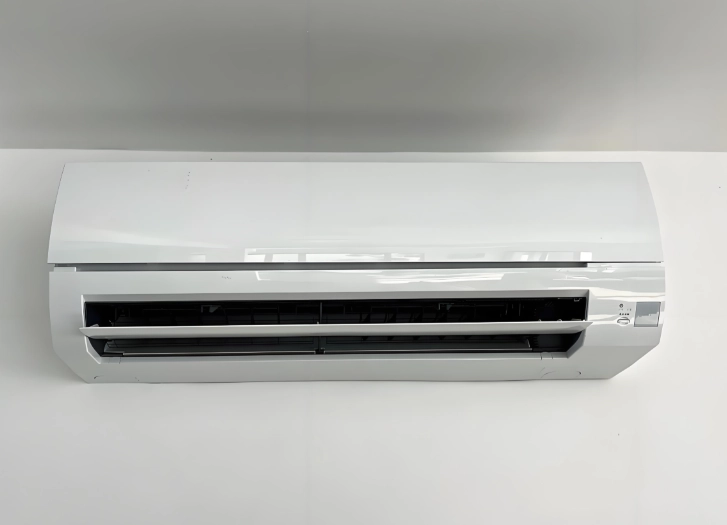
Traditional cooling appliances are experiencing a dual peak in both replacement and new demand, with smart features and energy efficiency emerging as the primary upgrade directions. As the core appliance for beating the heat, air conditioners have seen significant year-on-year sales growth, driven by both the scorching weather and trade-in policies. New first-tier energy efficiency ratings, bladeless airflow technology, and sterilization and purification models have become mainstream consumer choices.
According to Tianyancha Professional Edition data, as of now, China has over 1.739 million air-conditioning-related enterprises in operation or active status. Among them, approximately 113,000 new related enterprises were registered in 2026 year-to-date. Looking at the trend in enterprise registration numbers over the past five years, air-conditioning-related enterprises have shown year-on-year growth, reaching a peak in 2025.
By regional distribution, Shandong Province, Guangdong Province, and Jiangsu Province lead in the number of air-conditioning-related enterprises, with the combined total across these three provinces exceeding 543,000, accounting for 31.23% of the national total.