China Resources Sanjiu pulls Sanjiu Weitai ad after Mid-Autumn backlash
Sanjiu Weitai's Mid-Autumn ad telling people not to reunite sparked anger and exposed growth pressure at owner China Resources Sanjiu, which spent about 5 billion yuan on marketing last year.
China Resources Sanjiu has pulled a Sanjiu Weitai advertisement that told people not to reunite with family this Mid-Autumn Festival, after the campaign drew widespread anger online and in elevators and other offline placements.
The retreat came fast, but the episode has put the state-owned over-the-counter (OTC) drug giant’s marketing machine and its spending under scrutiny. The company confirmed to media that the ad was devised at its headquarters and was being taken down.
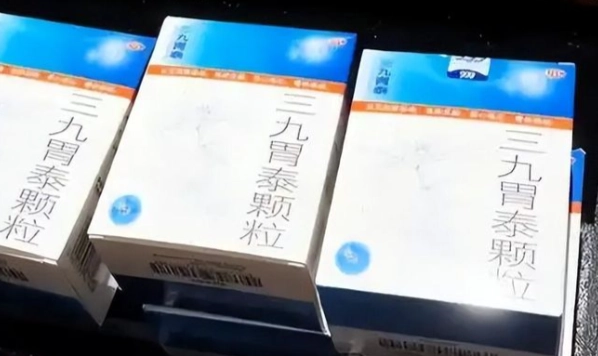
A 38-year trademark and 5 billion yuan in promotion
Sanjiu Weitai is linked to China Resources Sanjiu Medical & Pharmaceutical Co Ltd, incorporated in April 1999 with registered capital of about 1.664 billion yuan (about $234 million), according to corporate records database Tianyancha. Its legal representative is Wu Wenduo, and it is a large main-board listing in Shenzhen.
Trademarks tied to Sanjiu Weitai date to 1988, and several core pharmaceutical marks have long been registered — 38 years of brand building behind a household stomach remedy.
The finances tell a different story. In its 2025 annual report, China Resources Sanjiu reported selling expenses of 9.089 billion yuan (about $1.28 billion), including about 5.019 billion yuan (about $707 million) for market promotion — up more than 300 million yuan year on year — and 1.315 billion yuan (about $185 million) for commercial promotion.
That promotion budget works out to nearly 14 million yuan a day spent on distributors, pharmacies, elevator media and internet feeds.
Why did so much money produce copy that told people to “break up peacefully” at Qixi Festival and “not reunite” at Mid-Autumn?
A mature product losing its base
Sanjiu Weitai is a cornerstone of the consumer healthcare (CHC) segment and a mature product. In its best years, China Resources Sanjiu locked in the awareness of consumers born in the 1960s, 1970s and 1980s through prime-time CCTV spots, TV drama placements and deep distribution through tens of thousands of pharmacy chains.
That model is eroding. Drug retail is shifting to online O2O delivery and e-commerce, while younger office workers turn to Western acid suppressants such as omeprazole and hydrotalcite, or to probiotics. Natural sales growth for a traditional Chinese medicine stomach remedy has hit a ceiling.
The older customer base is ageing, and younger buyers feel little urge to pick up a traditional granule. Standard pitches about stomach pain, acid and bloating are drowned out online, pushing the brand into a fight for attention.
From “break up” to “don’t reunite”: betting on outrage
To force a youthful image onto the brand, the marketing team turned to attention-grabbing tactics: a deliberately jarring headline that offends holiday tradition to seize fragmented attention in elevators and on social media, then a small-print disclaimer about food incompatibility and health education.
After a Qixi campaign with Chongqing’s Heping Pharmacy that urged couples to break up drew traffic, the Mid-Autumn version with Gaoji Zaikang Pharmacy followed the same script. The problem is not runaway creativity but a bet on store visits under KPI pressure.
Headquarters sign-off exposes control gap
Deeper still is a failure of content control inside a large state-owned pharmaceutical group. Medicines are not ordinary fast-moving consumer goods; OTC advertising is tightly regulated and must not mislead the public.
When China Resources Sanjiu staff confirmed to media that the plan was “devised by company headquarters”, it undercut any suggestion that an outside agency was to blame. The creative that mocked traditional reunion and played on holiday taboos had cleared internal approvals at the headquarters level, with a large budget behind it.
A 5 billion yuan promotion budget can buy elevator screens across the country. It cannot buy respect for public decency.
Pulling a poster takes hours. Erasing the irritation from consumers’ minds for a long-established national brand takes far more public relations work. The storm is a warning to the drug and consumer health industry: a trending topic won on public offence is not a preservative for a brand, but a poison that drains a century of trust.