Ruyi Films sets up 10 million yuan Hangzhou cinema subsidiary
Ruyi Films, formerly Wanda Film, has created a wholly owned Hangzhou cinema company to expand into live shows and non-ticket retail.
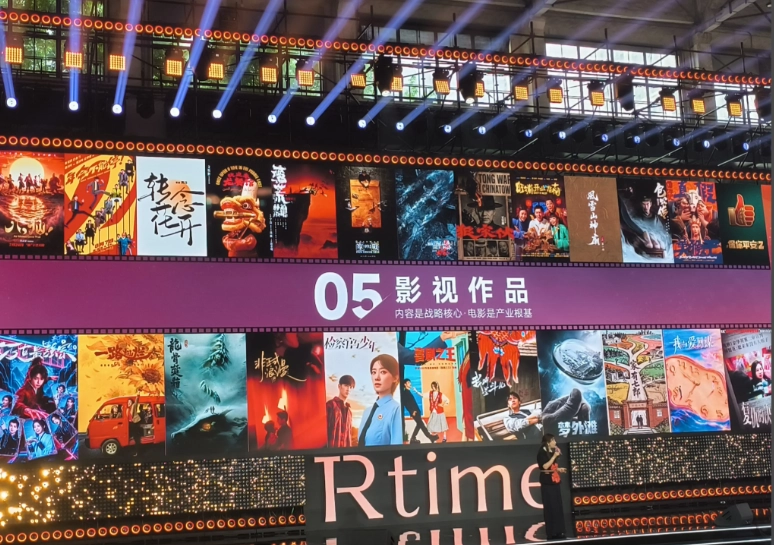
Ruyi Films has set up a wholly owned cinema subsidiary in Hangzhou with 10 million yuan (about $1.4 million) in registered capital, as the chain moves to build its own flagship venues after taking over Wanda Film's screens.
The registration, filed with corporate records database Tianyancha, marks a step beyond rebranding. China Ruyi, the parent, took over more than 700 directly operated cinemas and over 6,000 screens from Wanda Film and is now creating new legal entities for self-built cinemas in major city commercial districts.
Hangzhou Ruyi Film City Co Ltd was formally established in recent days with Pang Hui as legal representative, according to Tianyancha. It is 100% owned by Ruyi Films Entertainment Co Ltd, formerly Wanda Film.
Scope reaches beyond film screening
The approved business scope lists film screening alongside commercial performances, food sales, publications retail, and the sale of arts and crafts and collectibles.
That combination suggests the venue is meant as a broader cultural and consumer space rather than a traditional screening room. In Hangzhou, a hub for e-commerce livestreaming and youth subculture, the plan points to stand-up comedy, immersive live shows, and retail of film and animation merchandise.
Box office ceiling pushes non-ticket revenue
The move is driven by the industry's push for non-ticket revenue as box office growth stalls. Relying on two-hour screenings alone leaves cinemas exposed to swings in content supply, while producers and distributors take a cut of ticket splits.
Ruyi's advantage lies upstream, in its own production capacity and stock of hit film and television IP. But that IP loses value without repeated consumer touchpoints at the venue level.
With performance and collectibles licences in place, the Hangzhou cinema can use its screens on weekday days and off-peak periods for stand-up, small live music sets, esports broadcasts or brand launches. Its front-of-house space can host animation merchandise sales, pop-up signings and high-margin peripheral goods.
A stand-alone model after Wang Jianlin
A deeper motive is to establish a physical template for the Ruyi group independent of the Wang Jianlin era. Since the change of control and the share name change, the market has questioned whether new leaders such as Ke Liming can generate growth without Wanda's commercial property backing.
Wanda's cinemas long benefited from bundled entry into Wanda Plaza complexes and lower rents. As Wanda sheds assets and its property management cooperation models shift, Ruyi must show top commercial landlords that its cinemas can draw crowds and lift mall sales per square metre through performances and new retail.
Registering a wholly owned company with 10 million yuan in capital in Hangzhou is a signal to premium property owners in eastern China of Ruyi's financial base and long-term commitment.
Test in the deeper waters
The Hangzhou move signals that consolidation in China's cinema market has moved past equity deals into competition over how efficiently terminal space is operated.
The test for the new team is whether a venue combining performances and youth retail can produce a healthy single-store return model as entertainment spending fragments and offline retail competition intensifies.