PCI Tech cedes control of satellite AI startup Yusuan Xinghe
PCI Tech gave up its rights to increase its stake in four-month-old Yusuan Xinghe, which aims to run AI models on satellites, as outside investors put in 115 million yuan.
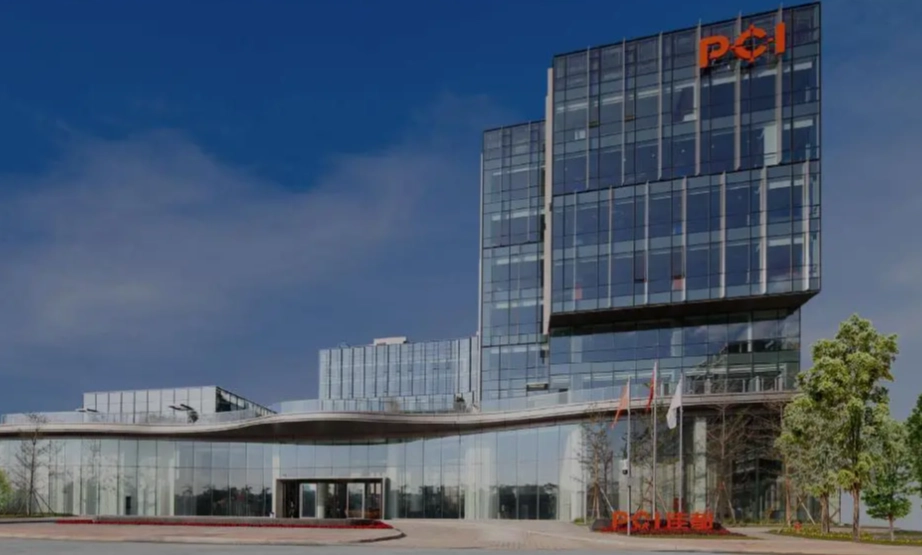
PCI Tech has given up its right to subscribe to a funding round at Yusuan Xinghe, the satellite AI startup it helped incubate, letting its stake dilute to 18.64% as five strategic investors put 115 million yuan (about $16 million) into the four-month-old company at a pre-money valuation of 1.2 billion yuan (about $169 million).
The move shows how a listed Chinese IT company is ring-fencing the cost of frontier space AI while keeping a stake in the data it may one day generate. Yusuan Xinghe's pitch — putting AI models directly on satellites — has drawn intense interest from local industry funds and strategic investors betting on commercial space plus general AI.
A four-month-old company with a space model
Yusuan Xinghe (Guangzhou) Technology was incorporated on May 9 this year and lists its business as the Tianji World Model, according to corporate records database Tianyancha. Founder Chen Jiao holds 33% and PCI Tech 22%, the filings show. Once the 115 million yuan round is booked and registration changes completed, Chen and the technical team will tighten their control while PCI Tech becomes a purely financial strategic shareholder.
The company's "space-based AI model" is meant to move AI inference, and even fine-tuning, onto satellite payloads. Under the traditional downlink-then-compute model, satellites act as cameras in orbit, beaming raw imagery to ground stations over narrow, weather-prone links. More than 90% of remote-sensing data is stranded in onboard storage because of bandwidth limits, the company argues. In emergencies such as flood response or low-altitude traffic control, the window for action can close before the data is processed on the ground.
By running models in orbit, a satellite could identify targets and extract key findings on the spot, sending back only structured results such as coordinates of abnormal traffic or landslide warnings. That would cut the bandwidth needed for downlinks by more than 90% and turn satellites into edge-computing nodes in space, the company says. The pitch lands as China pushes mega-constellations including Qianfan and GW, feeding investor appetite for in-orbit computing.
Why PCI Tech stepped back
PCI Tech, a systems integrator focused on smart rail, urban traffic control and public-security video, is protecting cash flow and profit as local government infrastructure spending stays cautious and procurement cycles lengthen. Space-based model development is capital-intensive, power-hungry and slow to pay back. Space-grade radiation-hardened chips are constrained, and keeping large models running in orbit — where cooling relies on radiation and temperatures swing sharply — requires costly engineering validation at every step.
Holding a high stake or consolidating the startup would have forced PCI Tech to keep matching contributions and would have dragged its listed earnings with the new entity's research spending and hardware trial costs. By waiving its subscription right, the company keeps the risk off its balance sheet and shares the early-stage burn with the five new investors.
It also keeps a 18.64% base that captures fair-value gains from the valuation jump and preserves a channel for traffic-model data generated in orbit to feed PCI Tech's ground-side work in citywide traffic sensing and vehicle-road-cloud integration.
The deal points to a wider pattern in commercial space and AI: an incumbent incubates a startup, outside capital funds it, and equity isolation contains the risk. PCI Tech gets a lighter balance sheet and capital flexibility; Yusuan Xinghe gets research funding. The open question is whether a space world model valued at 1.2 billion yuan can generate real cash, given limited supplies of low-power space-grade AI chips and commercial orders that still depend heavily on government procurement.