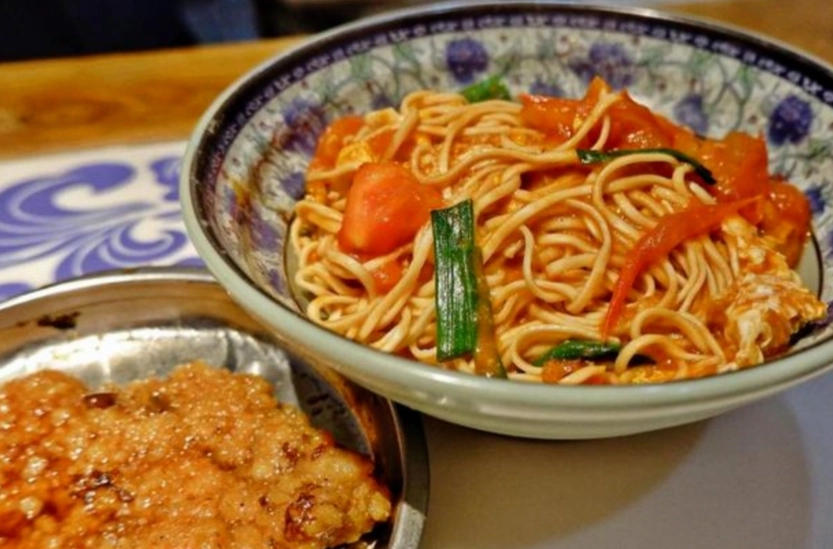
Hangzhou's 2,188 Yuan Noodles: A Carefully Crafted Traffic Arbitrage Marketing Stunt
Hangzhou's 2,188 yuan noodles are actually a marketing stunt, using curiosity to create social buzz, driven by traffic arbitrage rather than normal business.
The 2,188-yuan bowl of noodles in Hangzhou has been generating plenty of buzz on social media over the past couple of days. While the average working person is still carefully watching their spending to keep lunch under 30 yuan, the noodle shop owner casually tossed out the eye-catching labels of "exclusively for rich second-generation kids, selling dozens of bowls a day." The public's outrage and disbelief have fallen right into a crude but remarkably effective marketing loop.
If we run this through a normal restaurant financial model, the revenue numbers are so absurd they would collapse under even a second of scrutiny. Selling dozens of bowls a day would mean that this single menu item alone brings in 60,000 to 70,000 yuan in daily revenue for a small street-side shop, pushing monthly sales close to 2 million yuan. In a dining segment where average ticket prices are highly transparent, that kind of per-square-foot efficiency would leave the executives at Haidilao and Tai Er酸菜鱼 feeling utterly embarrassed. This makes it clear that this is not a traditional business built on earning a margin between ingredient costs and selling carbs with seafood toppings—it's a blatant PR stunt.
The owner confidently claimed in front of the media that he had been running the shop for five years, trying to layer on a mysterious "time-honored establishment" filter through longevity. But when we cross-reference the underlying business registration records in the Tianyancha system, that carefully crafted timeline falls apart instantly. The individual business entity, registered as "Hangzhou Shangcheng District Dede Midao Restaurant," was actually established in September 2021. At most, the physical lifespan of this shop is just over two years. This casual fabrication about how long the business has been around peels back the true essence of this internet-famous spot: it needs a fabricated sense of history to legitimize its distorted high price point.
An even more ironic piece of the business puzzle lies hidden in the administrative penalty records that usually go unnoticed. This sole proprietorship was previously fined by market regulators for using absolute terms like "national-level," "highest-level," and "best" in its advertising. In the brutally competitive offline retail battlefield, merchants are willing to risk violating advertising law just to slap the most extreme words on themselves, and the core driver behind that is a desperate hunger for traffic. That modest fine, in the owner's carefully calculated ledger, is not a business stain at all—it's an extremely cost-effective media promotional expense paid to trigger tens of millions of exposures across the entire internet.
The people who actually go in to eat that bowl of noodles aren't buying the protein from a few abalone or lobsters—they're buying a highly shareable social ticket. In an era where everything is a photo-op, the 2,000-plus-yuan price tag artificially manufactures a spectacle of extreme wealth disparity. For thrill-seekers eager to showcase privilege and purchasing power on social platforms, this bowl of noodles is an excellent piece of social currency. It provides a visually striking piece of content that lets buyers quickly harvest attention from their social circles.
The absurdity of the business world is that the more counterintuitive the pricing, the easier it is to tear open a traffic gap in an age of information overload. While every competitor in the food delivery space is fighting over a few cents of coupon discounts, this owner chose a completely opposite shortcut of speculation. With a headline-grabbing label, he forcibly dressed up an ordinary noodle shop with no competitive moat into a traffic funnel designed to capture eyeballs. Once this wave of internet scrutiny and spectacle fully recedes, the shop will most likely quietly take down that expensive signboard, or simply rebrand under a new name, and go looking for the next passerby willing to pay for curiosity.