Anhui Phoenix chairman probed for insider trading weeks into job
Wang Yulin, who became Anhui Phoenix's chairman in late September, faces a CSRC insider-trading probe less than a month after buying a 15.13% stake at a premium.
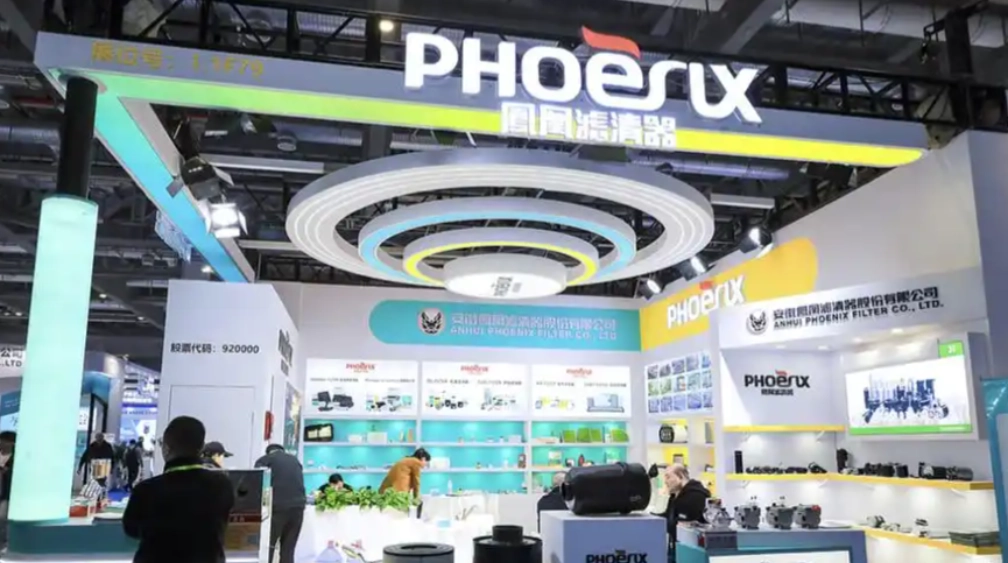
Anhui Phoenix, a filter maker listed on the Beijing Stock Exchange, said chairman Wang Yulin is under investigation by the China Securities Regulatory Commission (CSRC) for suspected insider trading, less than a month after he took the job.
The timing is what shook the market. Wang was elected chairman on Sept 29 and became the company's legal representative on Oct 14; the CSRC's case notice arrived on Oct 28. The probe hits a company still digesting a transfer of control and trying to move beyond combustion-engine parts.
A chairman in place for less than a month
Anhui Phoenix Filter Co disclosed the filing on the evening of Oct 28. It stressed that the investigation targets Wang personally and will not materially affect day-to-day operations or its finances.
Tianyancha, a corporate records database, shows the company was founded in 2006 with registered capital of about 91.68 million yuan (about $13 million). It makes automotive filters and filtration materials.
Those records show the legal representative changed from former chairman Wu Jieshu to Wang on Oct 14. Wang is listed as chairman and director; Wu, the former controlling shareholder, has moved to vice chairman.
A 303 million yuan stake bought at a premium
Wang entered in July, when Wu and parties acting in concert sold him 13.87 million shares, or 15.13% of the company, at 21.81 yuan each. Total consideration was about 303 million yuan (about $43 million).
The price was well above where the stock traded at the time. The China Securities Investor Services Center, a state-backed investor protection body, wrote to the company asking about the source of the funds, Wang's operating experience and his plans for control.
Pressure on the core business
Anhui Phoenix still relies on filters for internal-combustion vehicles, a business squeezed by the rapid spread of electric cars. Third-quarter results showed revenue edging higher while net profit fell more than 20%.
Bringing in Wang, whose family had cashed out hundreds of millions of yuan from other listed companies, was seen as a step toward reshaping the shareholder base and finding new-energy or other growth areas.
Company law and exchange listing rules impose strict limits on executives under CSRC investigation, covering both their eligibility to serve and any major asset restructuring. The probe closes off compliant routes to private placements, convertible bond sales or industrial acquisitions, and leaves the new management team's authority in question.
A position under water
The stock fell more than 16% after the announcement, leaving Wang's 15.13% holding worth less than half what he paid. If leverage was used to fund the purchase, or if a large fine follows, the loss-making stake could face forced liquidation or a court freeze, passing the cost of any personal violation to minority investors.
Surveillance net
The CSRC has kept a zero-tolerance stance on securities and futures violations, with close attention to changes of control at listed companies and to unusual block trades. The speed of the filing suggests that abnormal account activity had already tripped the regulator's big-data monitoring thresholds.
Anhui Phoenix is one of the first companies to list on the Beijing Stock Exchange, and its records now mark a difficult collision with outside capital. Whether it can hold its footing as its controlling and second-largest shareholders pull against each other is the test ahead.