Alibaba Replaces Taobao Shangou Legal Representative With Hu Xiaoyu
Alibaba replaced the legal representative of Taobao Shangou's operating entity as it folds Ele.me's delivery network deeper into its core e-commerce business.
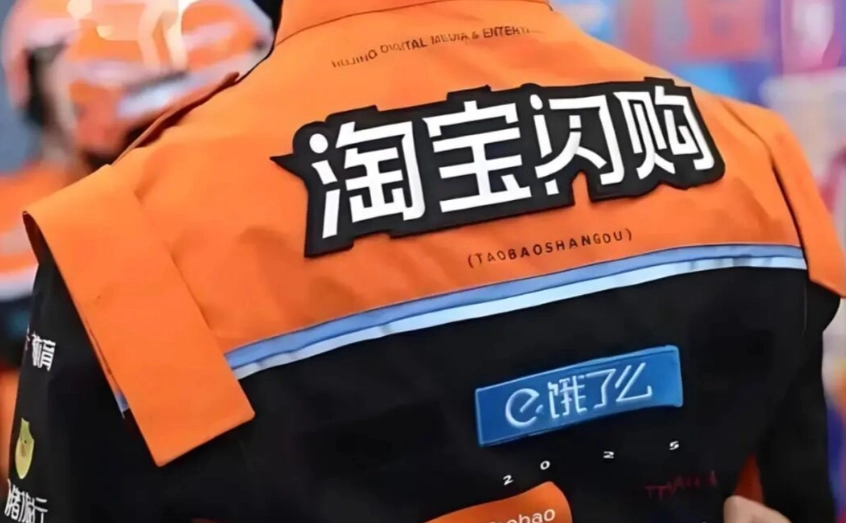
Alibaba has replaced the legal representative at the entity holding its instant-delivery capacity, handing control of Taobao Shangou's fulfilment backbone to a new management team as competition with Meituan and JD.com intensifies.
Business registration records show Fang Yongxin stepped down as legal representative, executive director and general manager of Shanghai Rajax Information Technology Co Ltd, according to filings on Tianyancha, a corporate records database. Hu Xiaoyu takes over as legal representative, director and manager.
What Rajax is
Shanghai Rajax was set up in July 2010 with registered capital of 10 million yuan (about $1.4 million). Its business scope covers online sales, advertising production and publishing. Hangzhou Alibaba Venture Capital Management Co Ltd owns 100% of the company.
Rajax was the name Zhang Xuhao used for the Cayman and mainland entities when he founded Ele.me. After Alibaba bought Ele.me outright in 2018, Shanghai Rajax and its branches became the data and technology base for Alibaba's local-services rider dispatch network, the Fengniao instant-delivery system and merchant fulfilment.
The departing Fang, known internally as "Dabao," is a veteran of Alibaba's direct-sales "iron army" and a partner-level figure. He was brought in to integrate Ele.me's ground sales team with the Fengniao delivery network.
Handing the legal representative and day-to-day operating roles to Hu, a newer business operator, is more than a routine corporate secretary change. It is part of Alibaba's push to fold local services into its core e-commerce strategy.
From side business to core battleground
The driver is the shift in instant retail from a side business attached to food delivery into a front line for core e-commerce.
For years, instant delivery sat inside the local-services unit around Ele.me, separated from Taobao and Tmall by departmental walls over accounts, merchant inventory and homepage traffic. Meituan Instashopping has since used high repeat rates and large order values to take share in daily chemicals, cosmetics, consumer electronics, apparel and pet supplies — categories that were Tmall's base. JD.com has thrown its homepage resources behind JD Miao Song.
Taobao and Tmall concluded that e-commerce competition had moved from three-day and next-day delivery to delivery in 30 minutes to an hour. Losing the half-hour fulfilment scenario means losing the habit of young consumers opening the app.
Taobao Shangou is Taotian Group's counterattack inside the main Taobao app, built on Fengniao's delivery capacity. Tianyancha records show Shanghai Rajax controls delivery software assets including Fengniao crowdsourced delivery and Fengniao errand delivery, and holds key technology and mapping qualifications such as the Taobao Shangou internet map service system.
Moving the top job from a veteran of the ground-sales era to a management team focused on e-commerce operations and platform products marks a shift from the early land-grab phase of building capacity and recruiting riders. The new phase is about coordinating Taobao's central traffic pool with local warehouses and brands' physical stores.
Tighter alignment with core e-commerce
A deeper organizational driver is Alibaba's effort to cut friction between business units as it focuses on core e-commerce. "Return to Taobao, return to users, strengthen core e-commerce" is the company's overriding priority, and cost settlement, subsidies and brand recruitment between Ele.me and Taotian retail have involved complex internal accounting.
By aligning the management of core fulfilment entities such as Shanghai Rajax with Taobao Shangou, Alibaba is turning instant delivery from a standalone local asset into digital fulfilment infrastructure directed by the core e-commerce center.
Two tests for Taobao Shangou
1. Depth of offline supply
Meituan Instashopping has built a dense shelf network over years, spanning hundreds of thousands of front warehouses, large supermarkets and 24-hour convenience stores. For Taobao Shangou to move beyond fresh food and restaurant delivery into all-category instant retail, it must persuade brands with Tmall flagship stores to digitize inventory at tens of thousands of offline dealer stores. That involves difficult conflicts over online and offline pricing and channel interests.
2. Unit economics of instant delivery
With consumer spending more cautious and order values under pressure, the high rider cost of 30-minute delivery is a rigid expense. Free-shipping subsidies paid by the platform cannot sustain healthy operations long term. Whether Hu's team can raise penetration in high-value electronics and non-food daily goods while using algorithms to cut empty running and per-order costs at Fengniao will decide whether Taobao Shangou becomes a real moat against Meituan and JD.com.
What the change signals
The management change sends a clear signal: big e-commerce platforms are pulling near-field instant logistics tighter into their core operations, and the competition has reached a white-hot stage. Alibaba's delivery assets are being stripped of historical divisions and pushed to serve Taobao Shangou's core strategy.
Hu now holds the fulfilment brief, but the instant delivery network is maturing and the fight over price and speed is being waged on two fronts. Whether the new lineup can win a decisive share for Taobao inside Meituan Instashopping's entrenched position is the question it must answer.