Master Kong faces food-safety backlash over suspected gecko in noodle cup
A consumer found a gecko-like object in a Master Kong pickled-cabbage noodle cup, reviving food-safety concerns and scrutiny of the company's quality controls.
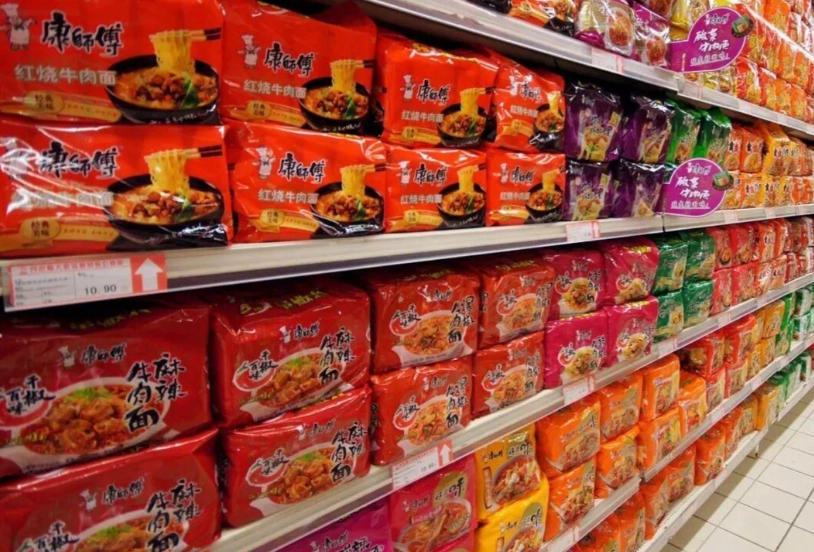
A consumer in Yulin, Guangxi, found a dark, elongated object resembling a gecko in a prepared cup of Master Kong pickled-cabbage beef noodles, setting off a nationwide backlash over quality control at China's biggest instant-noodle maker.
The image spread quickly online. Master Kong says it has handed the complaint to a specialist team to verify. The episode lands at an awkward time for a company whose supply-chain oversight and legal record are already under scrutiny.
The corporate footprint and a court record
Corporate filings on Tianyancha, a corporate records database, show Master Kong Instant Noodle Investment (China) Co., Ltd. was set up in April 2005 with registered capital of about $280 million. Its legal representative is Liu Guowei, and it is wholly owned by Master Kong Convenience Food (BVI) Co., Ltd.
The entity, which handles outsourcing and operations, has repeatedly been involved in sales-contract and product-liability disputes, the filings show. In August it was listed as a person subject to enforcement by Sanhe City People's Court — over a sum of just 25 yuan (about $3.50).
A 25-yuan debt at a $280 million company
Why would a company of that size let a 25-yuan claim reach court enforcement?
Such small sums usually come from an unpaid court fee, a missed publication charge or the residual of a standard settlement. At a group with layered approvals and a sprawling regional sales network, fragmented internal processes and inattention to minor court notices can turn a payment of a few dozen yuan into a mark on its legal record.
That indifference to small contractual obligations echoes the product-liability cases the company keeps facing.
Pickled cabbage and a fragile trust
Public nerves are especially raw because the product at the centre of the complaint is pickled-cabbage beef noodles. The category has been in a delicate position with consumers since the "dirt-pit pickled cabbage" scandal, in which cabbage was found to have been processed in unhygienic pits, damaged industry trust.
Master Kong has since opened smart factories to the public and promoted strict sterilisation and transparent production. But the longer a food chain runs — from initial farm processing and vegetable-packet filling to noodle pressing and frying — the harder it becomes to block biological contamination.
The failure could sit upstream, where dehydrated vegetable packets were not properly colour-sorted or X-rayed for foreign objects. Or it could come from storage damage at a village shop in lower-tier markets, where a pinhole in the packaging lets contamination in. Once a reptile or insect reaches a consumer's bowl, the damage to a brand is often irreversible.
Growth anxiety and cost pressure
Deeper still is the squeeze on traditional instant-noodle makers as consumption patterns split. With instant retail delivering in half an hour, and ready meals and food-delivery discounts everywhere, fried instant noodles are losing their role as a stopgap meal.
As sales growth slows, companies fight price wars and channel rebates at the retail end while trying to protect margins by cutting ingredient costs in production. The result is a supply chain where quality-control lines give way, step by step.
The contract and product-liability cases logged on Tianyancha already trace years of dissatisfaction among distributors and consumers. A 25-yuan enforcement payment leaves a credit blemish; a noodle cup suspected of holding a foreign object costs the trust of the entire internet. If this food empire, worth tens of billions of yuan, keeps relying on public-relations quiet handling rather than fixing source-level quality control and modern corporate governance, it will lose far more than one cup of pickled-cabbage noodles.