China Media Capital to take control of Huayi Brothers in 836 million yuan deal
Li Ruigang's China Media Capital will buy about 17% of struggling film studio Huayi Brothers for 836 million yuan, ending Wang brothers' control.
China Media Capital plans to buy about 17% of Huayi Brothers for roughly 836 million yuan (about $118 million), taking control of the loss-making film studio. The move ends the Wang brothers' era at China's first listed private film company.
The deal is more than a rescue. It marks a shift in Chinese film from founder-led, high-risk bets toward institutional media capital. Huayi Brothers had racked up years of heavy losses, was flagged for delisting risk and teetered on bankruptcy restructuring before China Media Capital stepped in as an industrial investor.
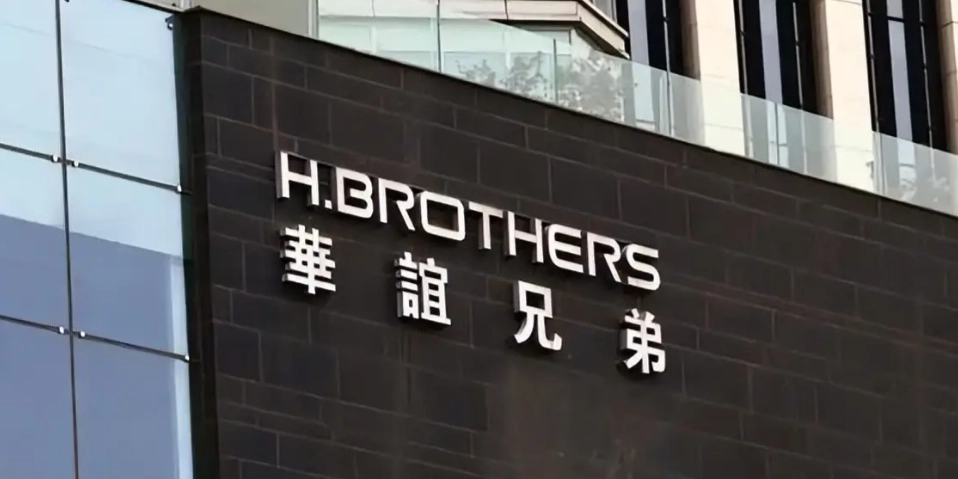
China Media Capital, led by Li Ruigang, will take reissued shares in the restructuring. The deal values the shares at less than one yuan each.
The buyer's portfolio
China Media Capital Co., Ltd. was set up in October 2015 with Li as legal representative and registered capital of about 6.39 billion yuan, according to Tianyancha, a corporate records database. It is owned by Suzhou China Media Cultural Investment Center (limited partnership) and Suzhou China Media Cultural Investment Management Co., Ltd.
Tianyancha lists more than 40 direct investments, including TVB affiliate Shanghai Jade East and idol group operator SNH48 Group (Siba Media). Including indirect holdings, the group controls more than 100 companies.
That scale makes Li's intent plain: he is not arriving as a white knight with emergency loans, but bringing a large media portfolio to absorb Huayi's remaining assets and film heritage.
How Huayi fell into debt
Huayi's troubles stem from a high-leverage push away from film. A decade ago, at the peak of the capital boom, the company bought star-linked shell companies at premiums of dozens of times and poured money into bricks-and-mortar entertainment and tourism projects in Haikou, Suzhou and elsewhere.
The model depended on constant capital and borrowing. A tax crackdown on the industry, cooling entertainment investment and macro deleveraging turned the property-heavy projects into cash drains. When star profit-guarantee deals expired, billions of yuan in goodwill write-downs followed.
With its core film business hit by box-office disappointments and large fixed debts, Huayi's market value fell from nearly 100 billion yuan to a fraction of that. A debt default case involving tens of millions of yuan finally brought it down.
Why the price is low
The restructuring converts capital reserves into shares at 9 new shares for every 10 held, with no allocation to existing shareholders. That lets China Media Capital take control of a rare A-share listed media platform for just over 800 million yuan.
The bigger prize is Huayi's library: three decades of film rights spanning the golden years of China's fifth and sixth-generation directors, plus a working network of ties with established Chinese and overseas creators.
Those assets fill a gap in China Media Capital's global entertainment map. The group already owns Daylight Entertainment, a top TV drama producer; Oriental DreamWorks, an animation studio; TVB, the Cantonese content and talent system; and SNH48 Group, along with live performance venues. But it has lacked a flagship for film production and distribution on the A-share main board.
Bringing in Huayi would let Li connect those pieces at low marginal cost:
- TVB's classic IP and talent could feed big-screen development;
- Daylight Entertainment's production standards could supply Huayi's thin project pipeline;
- Huayi's remaining film distribution business and international channels would give China Media Capital a ready springboard for taking content overseas.
A governance break with the past
The deeper change is in governance. The Wang brothers' rise and fall rested on personal networks, banqueting ties and star relationships, with little regard for internal controls, leverage or risk limits. Li's team runs on institutional fund management, modular project assessment and strict financial and legal review.
Li's arrival ends the family's control over Huayi's direction. The company becomes, in effect, a professional content asset package.
The hard test ahead
The autumn ownership change sends a cold, clear signal to China's film and cultural capital markets: the era of inflating star valuations and chasing tourism property dreams is over. Huayi paid for its listing status with the exit of its founding team and dilution of about 80% of its shares.
Cinema attendance in China has plateaued and film investment remains cautious. The real test for Li is whether his media group can quickly turn Huayi's debt-laden frame into an efficient production platform.