Huatu Education hit by spending ban over unpaid 240,000 yuan labor award
Huatu Education faces a spending ban after failing to pay a 240,000 yuan labor arbitration award, exposing cash strain from its refund-on-failure exam courses.
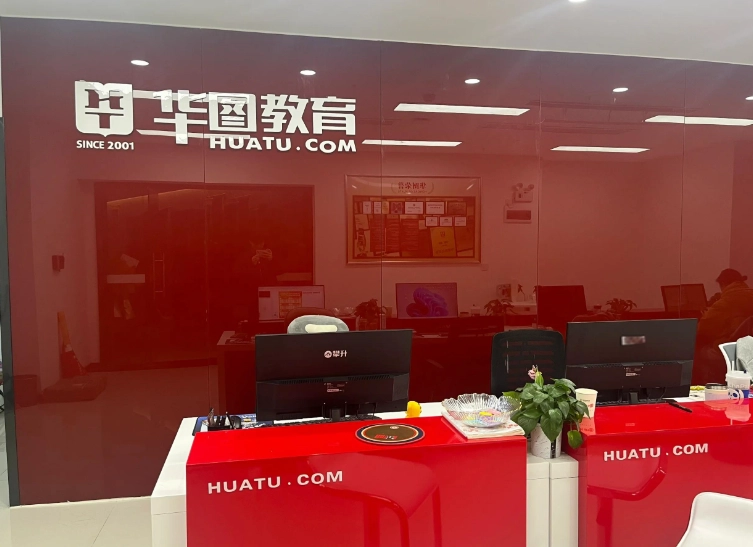
Huatu Education, one of China's two biggest civil service exam prep firms, has been placed under a court spending ban over an unpaid labor award of about 240,000 yuan (about $34,000).
The ban, issued to its main operating company and its legal representative, shows how far the group's finances have deteriorated. Huatu once rivaled Offcn Education at the top of a booming test-prep market.
What the records show
Tianyancha, a corporate records database, lists a new spending ban against Beijing Huatu Hongyang Education & Culture Development Co Ltd and its legal representative, Yi Dingguo. The applicant is a person named Huang, and the case involves a labor dispute.
Court records show the company had already been ordered to resume enforcement of more than 240,000 yuan in the case. Huatu Hongyang was founded in February 2003 with registered capital of about 420 million yuan (about $59 million). Its shareholders include founders Yi Dinghong and Yi Cuiying, as well as institutional investors such as Beijing Zhongjin Jiazi No. 2 Equity Investment Partnership.
The refund-guarantee trap
The deeper problem lies in the industry's "full refund if you fail" model. Under these refund-guarantee exam prep courses, Huatu and Offcn collected tens of thousands of yuan per student in advance, building huge interest-free pools of cash.
The money went into heavy assets: land for teaching centers, a nationwide expansion of branch offices and unrelated capital ventures. But pass rates for civil service exams have a hard ceiling. As admission ratios tightened, refund rates of 70% to 80% became inevitable.
When students demanded their money back en masse, the cash pools turned into a liquidity crunch. Offcn has already been pushed to the brink by a refund crisis running into tens of billions of yuan. Huatu has not publicly imploded, but its cash flow has been stretched for a long time, with students across the country reporting drawn-out installment refunds and complaints.
Payroll squeezed
The strain has hit its workforce. During the boom, Huatu built a nationwide team of thousands of full-time teachers, teaching assistants and sales staff, making payroll its heaviest fixed cost.
As branches closed and students moved online, the company cut pay, pushed out staff, delayed commissions and shifted teachers onto partner-contractor arrangements to protect what cash it had left. The Huang case shows the result: even after winning a labor arbitration award, an employee could not get a payment of just over 240,000 yuan.
Labor compensation appears to rank last behind supplier debts, student refunds and the basic costs of keeping campuses open.
A long road to listing
Huatu also carries the weight of a failed listing. Over more than a decade it sought a reverse merger listing on the A-share market five times, from *ST Xindu to Shanding Design to Huatu Shanding, burning compliance costs and loan interest along the way.
Listed company Huatu Shanding eventually took in part of the vocational education assets through a reverse merger. But Beijing Huatu Hongyang, the traditional operating parent, still holds large historical debts, unresolved student refunds and lease disputes at branches it has not dissolved.
With refinancing rules for for-profit education firms now strict, the old entity has lost its equity funding channel and is left servicing debt from its remaining offline tuition income.
The 240,000 yuan spending ban exposes the damage beneath the polished surface of an established test-prep brand. A company whose selling point is helping young people land stable government jobs is now being dragged by former employees to the edge of a credit blacklist. The damage to its credibility is severe. The ban is a black mark on its credit record, but what is really constrained is an industry built on financial leverage and prepaid tuition.