Yum China Takes Full Ownership of Pizza Hut for $1.2 Billion Cash
Yum China buys out Pizza Hut's mainland China ownership for $1.2 billion cash, ending franchising and unlocking profit potential for localized strategy.
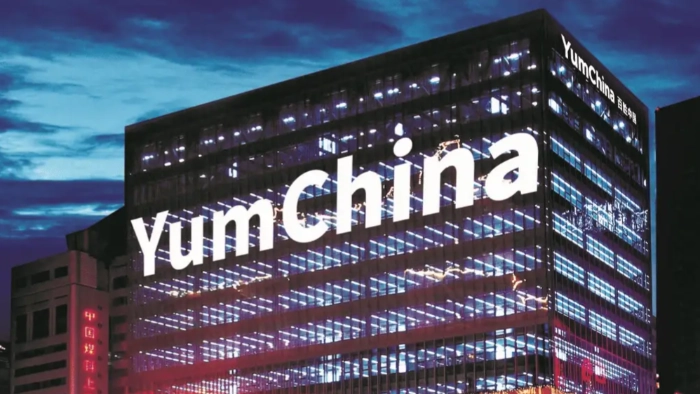
Yum China has used a massive cash deal worth nearly RMB 9 billion to completely end Pizza Hut's two-decade-plus franchising history in mainland China.Yum China has officially signed a definitive agreement to purchase full ownership of the Pizza Hut brand in mainland China from Yum! Brands for a cash consideration of $1.2 billion.
The completion of this blockbuster deal not only marks the full "localization" of Pizza Hut's identity in China, but also signals that Yum China, now free from royalty payment constraints, has begun a comprehensive restructuring of interests across its core dining assets. Many casual observers of the fast-food industry tend to interpret this move as a simple financial consolidation or a shuffling of brand assets between related parties.This view clearly underestimates Yum China's anxiety over supply chain efficiency in an era of market saturation. Under the previous franchising model, no matter how well Pizza Hut performed locally through localized menus, it had to pay a substantial annual brand licensing fee to its parent company in the United States. As the domestic dining sector plunged into extreme price wars and value-for-money competition, this fixed institutional cost gradually became an invisible burden weighing down its ability to flexibly monetize and rapidly cut prices to compete.
This full buyback of ownership is, at its core, Yum China clearing the battlefield and unlocking profit ammunition for the next phase of medium- to long-term competition.
Unpacking Yum China's Investment Framework
To understand the vast dining network Yum China has woven across mainland China, one must look beneath the surface at its investment framework. Through Tianyancha's intellectual property and investment chain data, a closer look at its core sales entity—Yum China (China) Investment Co., Ltd., established in 1999 with a registered capital of $130 million—reveals a sprawling network of over 60 outward investment enterprises under its name.
Within this vast structure, the more than 50 entities still in operation are not loosely affiliated franchise outlets, but deeply embedded functional nodes at the core of the Pizza Hut and Yum system's operational capillaries. For example, its wholly owned subsidiary Chuansheng Supply Chain Management (Shanghai) Co., Ltd., forms the logistical backbone for its massive cold chain and direct ingredient sourcing; while Huansheng Information Technology (Shanghai) Co., Ltd., fully supports the digital infrastructure for its hundreds of millions of members and AI-based scheduling algorithms.
This asset-heavy model of fully internalizing technology, supply chain, and warehousing is the underlying foundation that has allowed Pizza Hut to operate thousands of stores across mainland China while maintaining a high degree of standardized output.
Full Autonomy Unshackled, Agile Decision-Making Becomes an Advantage
With Pizza Hut ownership now fully under Yum China's umbrella, its autonomy in digital transformation, expansion into lower-tier markets, and cross-subsidization of supply chains will be completely unshackled.Strategic initiatives that previously required cross-border approvals can now be nimbly decided at the Shanghai headquarters.
At a time when Western casual dining is shifting direction, Pizza Hut not only faces mounting pressure from a steady stream of local artisanal pizza brands, but also must find new growth opportunities in areas such as community stores and solo dining scenarios.