Xibei Sells $10K Management Courses: F&B Giants Start Harvesting Peer 'Cognitive Tax'
Xibei sets up a $100K culture consulting firm and branches into management courses, aiming to collect a 'cognitive tax' from peers amid a consumption downgrade in the restaurant industry.
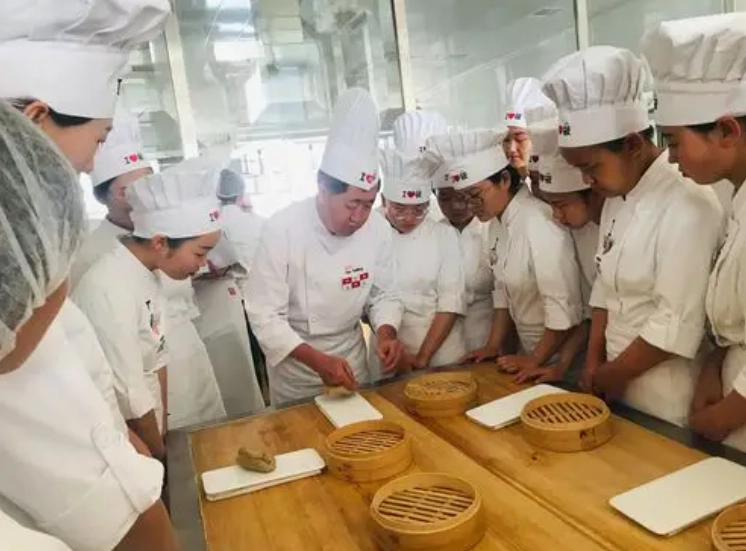
As 9.9-yuan meal deals tear through the bottom line of the restaurant industry, chain giants are desperately searching for new revenue streams beyond the kitchen.Xibei, once a national dining brand that aggressively expanded across shopping malls with high average transaction values, has quietly placed an seemingly insignificant piece on the board in its home region of Inner Mongolia.
That piece is not a new dish or sub-brand, but a cultural education consulting company with a registered capital of just 100,000 yuan. Amid competitors investing tens of millions to build central kitchens, such a modest capital move could easily go unnoticed, yet it exposes Xibei's urgent ambition to monetize its years of accumulated internal organizational strength through external commercialization.
Breaking down the logic of this business through the underlying corporate structure reveals a transparent chain of interests. According to Tianyancha data, this entity, named Inner Mongolia Shuomo Cultural Education Consulting Co., Ltd., is wholly owned by Inner Mongolia Xibei Catering Group Co., Ltd. Tracing further through its legal representative, Hu Juexin, the business scope of this micro-enterprise outlines an extremely clear commercial loop: experiential expansion activities planning, business training, accommodation services, and catering services are all interconnected.
Why would a heavy-asset catering giant built on oat noodles pivot to the slow money of training and team-building at this moment?The underlying driver is the ruthless consumption downgrade sweeping the dining industry.Xibei's premium pricing model, which it long relied on, is now facing backlash from white-collar workers in first- and second-tier cities tightening their wallets. When the average ticket price for a Northwestern Chinese meal hits consumers' psychological threshold, stubbornly chasing table turnover at stores only drags the company deeper into a quagmire of opening more locations and losing more money. Jia Guolong and his team must find a different path, shifting focus from "selling food" to "selling systems."
Xibei has long been known in the industry for its fiercely strong, almost quasi-religious organizational culture. From the distinctive red headscarves to the intense frontline execution, this high-intensity internal management system is the underlying operating engine supporting its nearly 1,000 stores nationwide. In today's hyper-competitive landscape, countless small and mid-sized restaurant owners and cross-industry entrepreneurs are struggling to break even, desperately seeking management playbooks that can make employees work with machine-like efficiency.
This Shuomo Culture company, with its 100,000-yuan registered capital, is essentially an ultra-light scalpel Xibei is using to test the B2B training market.Packaging expansion activities, business training, and accommodation with catering goes far beyond an internal staff boot camp; it's a standard "corporate study tour and executive team-building camp" business model. Leveraging Inner Mongolia's regional character (the Shuomo desert), combined with Xibei's own catering and accommodation supply chain, the company can effortlessly rebrand its internal training system as high-priced B2B consulting services. Teaching peers how to manage people, standardize operations, and build corporate culture—this business, free from food waste costs and steep mall rents, boasts gross margins that can crush any bustling brick-and-mortar store.
This 100,000-yuan micro-venture is an extremely shrewd defensive experiment. In the deep waters of monetizing knowledge services across industries, running the business model under the lightest fully owned shell means that if it hits market apathy or regulatory hurdles, this sunk cost can be safely spun off at any time, never touching the balance sheet of the group's core business, which has already faced setbacks in its IPO.
The endgame of restaurant competition is shifting from front-end taste innovation to the direct monetization of back-end organizational capability.This micro-consulting company registered at the edge of the desert is a chilling industry shift warning: when there's no more profit to squeeze from the dining table, top players are already collecting a cognitive tax from peers and entrepreneurs. Only those who can turn the management systems forged through their own pain into standardized, sellable products will secure a true get-out-of-jail-free card to transcend economic cycles in this bleak period.