Xiaocaiyuan's 'Refund Tenfold' Damage Control: Compliance Anxiety and Management Black Hole Before Listing
Xiaocaiyuan faces a food safety crisis ahead of its IPO; the 'refund tenfold' strategy masks deeper compliance anxiety and grassroots management failures.
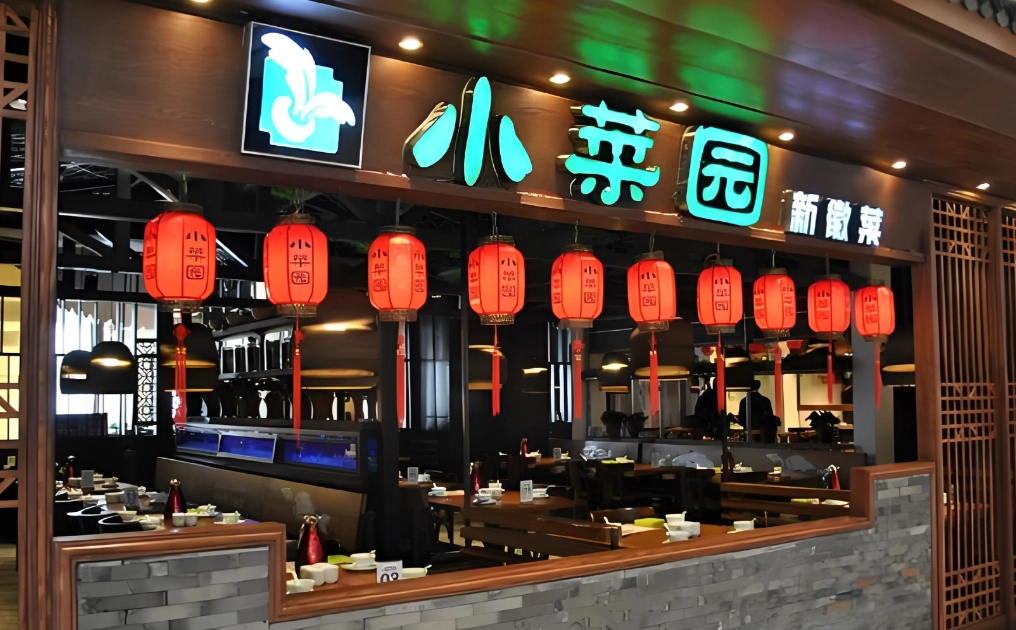
When a photo of a dog being fed from a restaurant dinner plate went viral on social media, Xiaocaiyuan swiftly released a public apology letter accompanied by a commitment to refund and compensate tenfold. In the eyes of a public accustomed to food companies deflecting blame, this decisive crisis response looked like a textbook case of handling a PR disaster. Yet, if you step outside the echo chamber of outrage and examine the current financial position of this Chinese fast-casual chain giant, it becomes clear this was no benevolent gesture driven by corporate conscience—it was a cold, calculated financial loss-control mechanism forced into action at a critical juncture in its capital markets push, all in an effort to defend its valuation floor.
Reviewing the capitalization path of Chinese-style dining, food safety and public health have always been a make-or-break red line looming over every chain brand. Xiaocaiyuan is currently in an extremely sensitive phase of its Hong Kong IPO queue. At a time when the Hong Kong stock market's valuation logic for mainland Chinese food and beverage companies grows ever harsher, any misstep on this health red line could trigger regulatory inquiry letters or even a wholesale rejection of its internal control systems by the capital markets.
Using tenfold compensation on several dozen tables' average order value to forcefully buy off a potential nationwide brand boycott and stop negative sentiment from bleeding into the capital markets—the management has calculated the math on this crisis PR play with remarkable shrewdness and thoroughness.
But what can be papered over at the capital level cannot erase the systemic wounds torn open in its physical operations.
The Illusion of Management: Loss of Control Behind Expansion
Tracing the business registration records as mapped by Tianyancha, the management illusion behind this PR crisis becomes starkly evident. This restaurant entity, founded in 2013 with registered capital exceeding 20 million yuan, has, under the stewardship of its founder Wang Shugao, already spun out a sprawling business network controlling over 30 companies. The breakneck pace of store openings may prop up the high-growth narrative in its IPO prospectus, but the judicial records surfaced in Tianyancha's filings—including health rights disputes and sales contract disputes—function like hidden warning signs, quietly pointing to the awkward reality of seriously faltering frontline management reach amid the company's scale-up.
The fact that an absurd incident of feeding a dog from a restaurant plate could openly take place in a store is not merely a single waiter's blind spot; it is a total collapse of the frontline defense system across the outlet. Under performance metrics relentlessly chasing table turnover, labor efficiency, and profit maximization, store managers and staff are harnessed tightly to ticket speed and revenue flow. Service details that don't directly generate short-term financial returns—like floor monitoring or intervening in abnormal behavior—are effectively left in a state of laissez-faire vacuum.
When a mass-market chain restaurant cannot execute even the most basic public health intervention mechanisms flawlessly at the store level, its vaunted standardized operations become nothing more than words on paper.
The Loss-Cutting Calculus: An Unsustainable Norm
The hefty "refund and tenfold compensation" payout can indeed douse public anger in the shortest possible time, but it can never serve as a sustainable norm for daily risk management. In the grueling business of dining—where every penny is fought for—capital values the rock-solid stability of the per-store profit model, not how deep a company's pockets are when covering for management failures. Xiaocaiyuan has bought itself a brief reprieve with real money, but in a saturated market long past the era of reckless expansion, unless it truly welds the shackles of compliance onto every dining table and every frontline service process, then the hole it plugged today with cash will, at the next crisis, swallow both its capital-markets ambitions and itself whole.