Wangzai Milk's Midlife Crisis: Behind Tsai Eng-Meng's Open Letter, a Traditional FMCG Giant's Rusted Channels and Self-Rescue Predicament
Want Want faces a major operational crisis as its traditional distribution network rusts, new products stall, and channel reforms lag, leaving it in a systemic transformation quandary.
When an unusually harsh internal public letter quietly circulated within the industry, and Want Want Group Chairman Tsai Eng-meng directly characterized the company's first-quarter fiscal 2026 performance as a "major operational crisis," outsiders finally saw clearly that this fast-moving consumer goods giant—which once dominated generations of childhood memories with Want Want Milk and Want Want Snow Cake—is under unprecedented survival pressure. The sugar-free new products that "even store clerks have never heard of" sitting on offline shelves form a jarring contrast with the anxious cries of the public-facing leader.
This crisis is by no means a single quarter's data fluctuation, but rather the systemic corrosion of a consumer goods empire that has been deeply rooted in traditional mass distribution for more than three decades, amid dramatic shifts in consumption habits and the transition between old and new sales channels.
Over the past two decades, Want Want's success was built on an extremely solid traditional mass distribution network. Relying on a multi-tiered distributor system spanning markets at all levels nationwide and a near-monopoly on supermarket shelf space, Want Want constructed an unassailable moat for inventory turnover. Want Want Milk, a single superstar product, alone once contributed more than half of the group's revenue and profits for years.
However, this business flywheel, deeply dependent on "superstar products plus deep distribution," is rapidly becoming a heavy path dependency in today's consumption landscape.
New Product Struggles: Health-Conscious Transformation Hits Channel Inertia
The new generation of consumers' demands for health and functionality have launched a full-scale assault on traditional formulas such as high-sugar and recombined milk. While new forces like ready-to-drink tea and sugar-free sparkling water are reshaping beverage shelves, Want Want has launched sugar-free and low-sugar products in an attempt to save itself, but has encountered severe inventory stagnation at the point of sale. The reason is that its vast yet outdated distribution network is accustomed to moving established products in high volume, and terminal stores and distributors simply lack the incentive to promote new items.
The health-oriented products developed in R&D simply cannot effectively reach the eyes of younger consumers, ending up as mere decorations on the edges of shelves.
Corporate Traces: Organizational Retrenchment and Strategic Wavering
Following the corporate registration trail recorded by Tianyancha, the organizational retrenchment and defensive posture of this multinational consumer goods giant are clearly visible. Tianyancha information shows that Want Want (China) Investment Co., Ltd., the core investment platform, has a registered capital of up to US$50 million, with a business scope spanning food, beverages, and even medical institutions and real estate investment. However, its outward investment records show that multiple regional subsidiaries and sales entities under it have been deregistered, while the company's corporate records also contain historical enforcement records as a judgment debtor.
These fragmented traces of corporate registration changes are a direct reflection of the group being forced to contract its front lines and streamline redundant entities after setbacks in multi-front operations and cross-industry experiments.
The heavy assets and multi-tier distribution that once secured its dominance are now becoming a drag that devours profits.
At a time when bulk snack stores, instant retail, and live-streaming e-commerce are comprehensively rebuilding the fulfillment chain for fast-moving consumer goods, the high channel markup rates of the traditional distributor network are increasingly out of step. Want Want can neither easily abandon the interests of old-school distributors who contribute core cash flow, nor avoid high entry fees and price system conflicts in building out new channels. This strategic wavering directly results in new products failing to gain traction, while established products are continuously eroded in a zero-sum market.
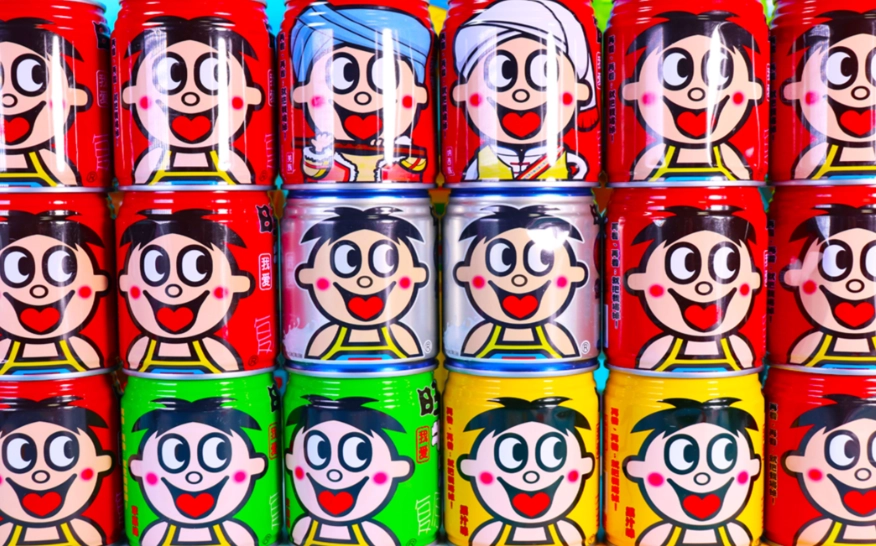
Tsai Eng-meng's outburst in the public letter has torn open the harsh reality facing an established consumer giant in a new cycle. Brand nostalgia cannot long withstand the erosion of product aging and channel dysfunction. When that classic Want Want smiling face can no longer easily awaken young consumers' purchasing desire, if Want Want cannot truly make up its mind to rebuild fundamental product strength and shatter the rigid channel interest chains, then this pain labeled a major crisis may well be merely the beginning of a long decline.