On the same day Walmart China was summoned by regulators over Sam’s Club food safety issues, the company swiftly replaced its chairman, with MUK SOOK YE stepping down and Liu Peng taking over, highlighting a quality control crisis and eroding brand trust.
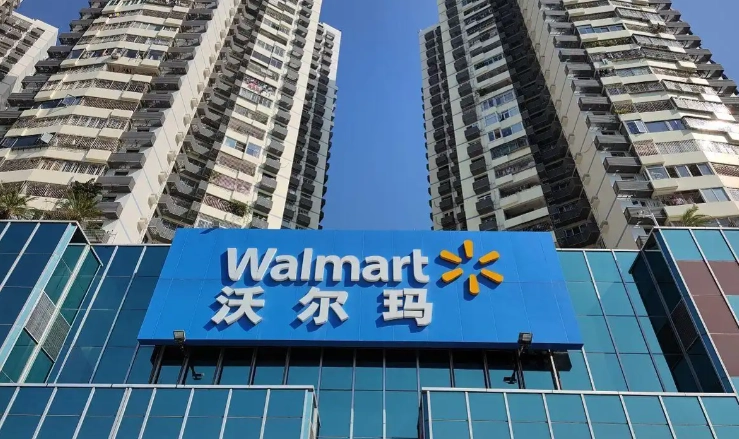
An interview notice from the top regulatory authority instantly exposed the long-hidden quality control problems lurking beneath Sam's Club's impressive sales figures, and directly triggered a major shake-up in Walmart China's senior management. On the very day that the State Administration for Market Regulation held a accountability interview with executives of Walmart (China) Investment Co., Ltd. over multiple food safety issues at Sam's Club, the retail giant simultaneously completed a telling leadership change at the corporate level. According to real-time business registration records on Tianyancha, MUK SOOK YE, who had led Walmart China for years, has officially stepped down as legal representative and chairman, with Liu Peng fully taking over those core positions. In the organizational structure of multinational retail companies, a change at the chairman level typically requires an extremely lengthy internal audit and strategic groundwork. However, the timing of this leadership change closely coincides with the regulatory interview, with the resignation and appointment completed within a single day. This unusual speed reflects the extreme anxiety of a foreign retail giant facing a comprehensive erosion of brand credibility in the Chinese market.
In recent years, Sam's Club has surged ahead in China's warehouse membership store segment, leveraging its carefully curated bulk packaging and high average transaction values to cultivate a "middle-class filter," effectively becoming Walmart's core cash cow in the Chinese market. However, as the pace of store expansion accelerated across the board, its once-vaunted "strict quality control wall" began showing cracks with increasing frequency. From recently exposed incidents involving expired food, labeling defects, to cold chain breakdowns, these scattered negative food safety cases across various regions have gradually evolved from occasional operational lapses into a systemic structural failure. A review of the underlying corporate records on Tianyancha for Walmart (China) Investment Co., Ltd. reveals that this multinational entity, established in 2003 with a registered capital of up to $330 million, wholly owns a massive offline retail network. When a commercial machine of this scale—worth hundreds of billions—gets accustomed to leveraging algorithms and scale to squeeze supply chain efficiency, the granularity of end-product quality control inevitably gets diluted. The foundational cornerstone of the warehouse membership model is the trust consumers place in it by paying hefty annual fees. Once that trust is shattered by a string of food safety penalties, the so-called brand premium instantly devolves into a derogatory label for exploiting consumer ignorance. Liu Peng, the new leader thrust into the spotlight at this critical juncture, is clearly not facing an easy victory lap but rather a hot potato requiring him to rebuild supply chain credibility and repair government-enterprise relations.
Sam's Club's polished official response following the interview—expressing "full acceptance and deep reflection"—may temporarily ease public relations pressure. But in today's Chinese retail market, consumers have long moved past the stage where mere apologies without action suffice. This direct intervention by the highest regulatory authorities and the swift replacement of the chairman have drawn a clear red line for all foreign retail giants: in the Chinese market, any large-scale expansion that disregards the bottom-line requirement of food safety will ultimately exact the highest price in governance accountability.