Unpaid Construction Costs Leave Projects Half-Finished: Dissecting the Debt Trap of Local Cultural Tourism Investment Firms
Unpaid construction costs have left projects half-finished, exposing the high-leverage debt trap of local cultural tourism investment firms, where a halt in land finance revenue triggers a credit collapse and heightens risks for downstream contractors.
A 37 million yuan project payment dispute has dragged a municipal project into a two-year unfinished mess. When public criticism came crashing down on Xixian Cultural Tourism Group, a local state-owned enterprise, most people's understanding remained stuck in shallow emotional reactions like "big business bullying customers" or "SOE deadbeat." However, a closer look at the asset operation foundation of local cultural tourism urban investment platforms reveals this is not simple commercial default, but rather the jarring sound of a chain snapping on a local infrastructure financing engine that has long run on high leverage, now deprived of the lubrication of land finance.
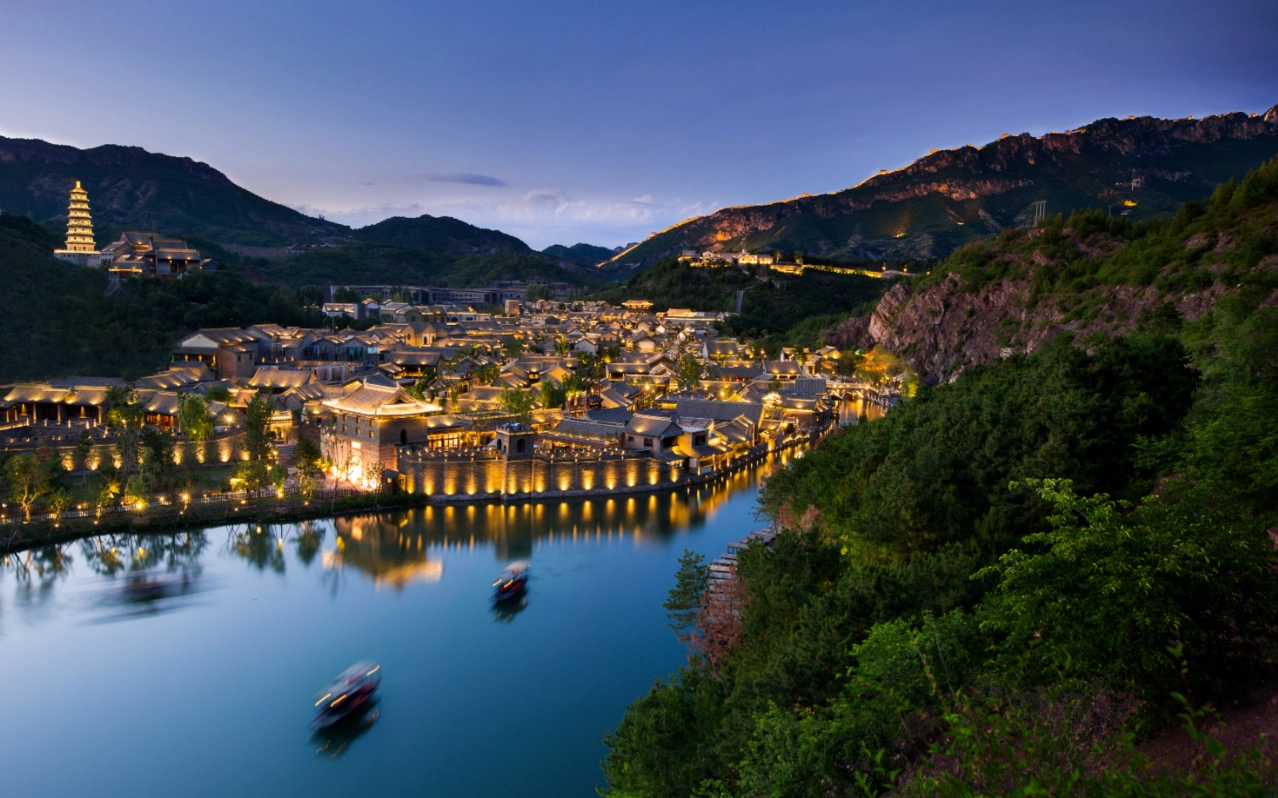
For years, local cultural tourism groups have played a deeply distorted role in regional economies. Operating under the banner of culture and tourism, they actually handle the heavy lifting of asset-heavy infrastructure and land development. To inflate local asset bases, large numbers of public landscapes and cultural tourism towns—projects with extremely long payback periods or even no inherent commercial viability for self-sustaining returns—were launched at a frantic pace.
The hidden premise of this model was leveraging state-owned enterprise credit backing to secure ultra-low-cost credit from financial institutions, then using the appreciation of surrounding land values to cover massive debt interest payments. But once the real estate cycle reversed and the IV drip of land transfer fees was cut off, those cultural tourism assets sunk into concrete and steel instantly became black holes devouring cash flow.
This giant entity, with registered capital of up to 3.5 billion yuan, has already left cold, hard marks of internal financial exhaustion across the judicial system. Tracing its credit profile through Tianyancha's business and judicial records, this established SOE founded in 2012 is now tightly entangled in multiple construction project contract disputes and service contract disputes. Enforcement information disclosed by Tianyancha shows its total enforcement targets have exceeded 260 million yuan.
Behind these cold litigation files are downstream suppliers dragged into the mire one by one. The massive registered capital is effectively meaningless in the face of completely drained account cash. The frequent enforcement records signal that its once-vaunted implicit SOE guarantee has been thoroughly punctured by both the market and the judicial system.
On this extremely fragile chain of interests, the construction company owed tens of millions plays the most tragic role as the bottom-tier financing tool. Under the unwritten rules of the construction industry, to win government-led municipal projects, contractors often have to bring their own substantial funds to the table to front the costs. What they are betting on is the illusion of the never-bankrupt credit behind those local SOEs.
But in this infrastructure frenzy conducted in the name of culture and tourism, local urban investment platforms have shifted the massive risk of financing difficulties onto downstream private enterprises without reservation, through harsh construction contracts. When the cultural tourism group cannot raise funds or secure fiscal subsidies, the construction crew becomes the first line of defense, ultimately left staring at a stalled site and unpaid settlement statements, facing the dead end of their own cash flow chain snapping.
The work stoppage at Xixian Cultural Tourism is merely one tiny cross-section of the ongoing wave of local urban investment debt resolution. It brutally heralds the end of an era: the leveraged game of stitching together a few cultural tourism concepts to unlock massive credit and fuel unchecked local infrastructure expansion is completely over. For upstream and downstream companies still dreaming of reaping fat profits by taking on local cultural tourism mega-projects, if they cannot strip away their blind faith in the implicit credit of SOEs, this enormous bad debt is the fatal guillotine hanging over the head of every front-funder tomorrow.