A $280,000 Reckoning for an 'Imported' Lie: U-Healthy Promoter Fails to Dissolve Firm to Dodge Penalty
Suoxiang Marketing, promoter of U-Healthy, was fined 2 million yuan for false advertising. Its attempt to dissolve the company to evade the penalty was blocked, as regulators crack down on fake imported brands.
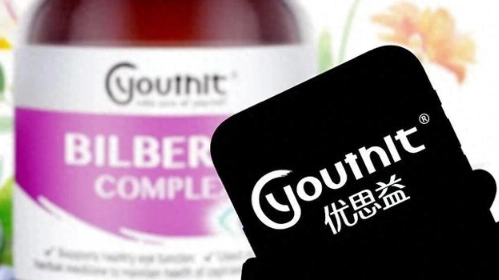
The Reckoning for "Imported Lies" Under a 2 Million Fine: Yousiyi's Marketing Agent Dissolves to Evade, But Fails
Paying so-called experts to endorse products, spending 20,000 to 30,000 yuan to bulk-purchase awards from dubious international organizations—this packaging playbook for crafting a "premium imported" persona, which had proven repeatedly effective in China's health supplement market, has now been shattered by regulatory enforcement and a financial settlement of up to two million yuan.
Recently, the Hangzhou High-tech Zone (Binjiang) Administration for Market Regulation disclosed a weighty administrative penalty decision. Hangzhou Suoxiang Marketing Planning Co., Ltd. (hereafter "Suoxiang Marketing"), the operator responsible for the full packaging of the "Australian imported" health supplement brand Yousiyi, was fined 2 million yuan for persistently publishing misleading false advertisements via channels such as public accounts and offline outlets, as well as for engaging in deceptive promotion targeting potential customers.
Many observers accustomed to the rise and fall of consumer brands tend to view this penalty as just another routine advertising violation.This perspective severely underestimates the egregious nature of this false marketing case, as well as the scheme by the offending company to escape liability by "resolving to dissolve."
The Chain of Interests and Operational Tactics
To dismantle the chain of interests behind this "imported health supplement controversy," one must examine Suoxiang Marketing, a marketing workshop with deep traces left in Tianyancha records. This small enterprise, founded in 2013 with a registered capital of only 1 million yuan, is co-owned by Lu Yongfeng and Lu Jianfeng. On paper, its commercial track record with a 1 million yuan base may seem unremarkable, but between June and December 2025, it carried out an extremely precise black-box operation to complete the capitalization-based disguise of the Yousiyi brand: by purchasing overseas shell-company awards, fabricating certificates of origin, and forging expert research endorsements, it forcibly transformed a brand suspected of origin fraud into a so-called "Australian middle-class miracle supplement" that racked up massive GMV across major e-commerce platforms.
This "flash-marketing" approach, which ruthlessly exploits information asymmetry to harvest consumers, essentially places consumers' physical health and right to know on the gambling table of capital bets.
Malicious Exit and Regulatory Counterstrike
The more intriguing battle of interests is hidden in the operational risk timeline on Tianyancha. Just before the penalty results were fully finalized, this marketing firm with 1 million yuan in capital had abnormally published a deregistration filing announcement, attempting to erase the corporate entity from the business registration system through the legal tactic of a "resolution to dissolve." In previous patterns, many agency operators and marketing planners, upon sensing tightening regulatory winds, would swiftly deregister their shell companies to resist subsequent administrative fines and legal liabilities, offloading debts and infamy into thin air. However, this 2 million yuan penalty from Hangzhou's High-tech Zone directly severed that path of malicious exit.
Conclusion: A Legal Lesson and Industry Warning
The heavy 2 million yuan fine is not only a devastating blow to Suoxiang Marketing's own capital firewall, but also a profound legal lesson for all third-party planning ecosystems that are keen on "counterfeiting foreign brands" and "packaging with purchased awards." In an era of increasingly refined regulatory oversight, the old tactics of simply dissolving after the fact or rebranding under a new facade to restart operations have become completely ineffective. If marketing planning firms cannot curb the underlying impulse for false exaggeration and anxiety-driven profiteering, then no matter how glamorous their packaged brands appear on social platforms, within the regulatory compliance settlement cycle, they will ultimately face both financial and reputational bankruptcy.