Traditional Shopping Districts' Low-Cost Pivot and the 8 Million 'Guzi' Enterprises: An Emotional Refuge or a Squeezed Bubble?
Traditional shopping districts are transforming into Guzi markets with low rents to attract young consumers, but the 8 million related enterprises are mostly rough-and-tumble, facing homogenization and piracy risks, making the boom hard to sustain.
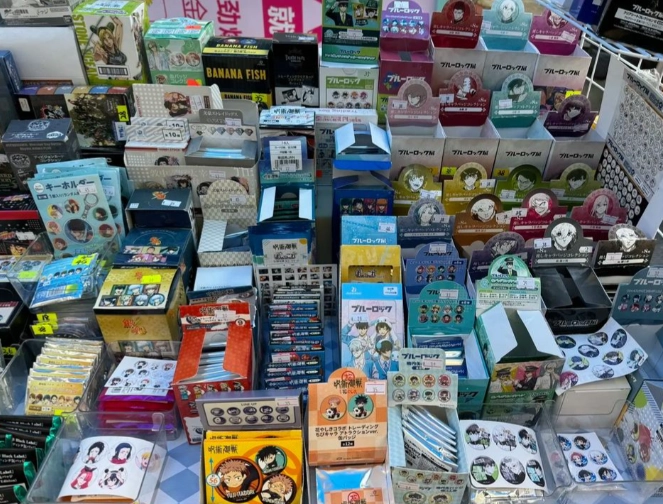
As traditional department stores and fast-fashion brands successively withdraw from core commercial districts, the commercial real estate sector, plagued by rising vacancy rates, is undergoing a bitterly ironic form of "downscaling" self-rescue. Once unattainable physical shopping malls are now forced to lower their standards, repurposing atriums and corridors into "merch markets" crowded with young people, using an extremely low daily rent threshold of 10 to 30 yuan. While the results—weekend foot traffic tripling or quadrupling and sales surging 200%—are certainly impressive, this is by no means a simple victory for niche ACG culture, but rather a compromise and capitulation by traditional offline retail in an era of shrinking consumption, embracing the model of "low transaction value, high-frequency emotional experiences."
Traditional menswear, womenswear, and even major dining brands sell product use-value and channel premiums. But today, young consumers have completely disenchanted with physical goods costing hundreds or thousands of yuan, instead compressing their emotional attachment and social needs into small badges, standees, and other "merch." These plastic and metal pieces, which carry IP attributes at minimal cost, have become highly cost-effective emotional sanctuaries.
At its core, the commercial district's pivot to downscaled markets is an exchange of nearly free rental space for the scarcest resource of all: young foot traffic from a large number of micro-vendors. Physical retail no longer depends on exorbitant rental income but rather leverages this foot traffic to "feed" foundational businesses like dining and bubble tea.
This decentralized, stall-based micro-commerce has exploded in scale. According to data from Tianyancha Professional Edition, as of now, the number of enterprises related to the merch economy in China that are currently registered and operating has exceeded 8.081 million, with over 1.226 million added this year alone, reaching a registration peak in 2025. Regionally, Hubei, Guangdong, and Hainan collectively account for over 38.4% of the total share.
Mapping the Supply Chain and Capital Shifts
Behind this Tianyancha data lies an extremely harsh portrait of supply chain and capital shifts. Guangdong, leveraging the Pearl River Delta's highly mature toy and printing supply chains, has become the national production heart of merch; Hubei, with its dense concentration of university towns and its role as a central logistics hub in Central China, supports a vast offline consumer network;
Meanwhile, Hainan's abnormally high figures expose the registration arbitrage of a large number of micro trading companies and individual businesses exploiting policy dividends. The surge of 8 million enterprises is overwhelmingly not comprised of legitimate IP licensing giants, but rather a sprawling grassroots ecosystem of millions of individual buyers, resellers, and micro studios.
The Fragility of Low-Threshold Prosperity
This prosperity, propped up by 30-yuan stall fees, is facing an extremely fragile fate. Low barriers mean extreme homogenization and vicious price wars; when homogeneous IP derivative products flood thousands of market stalls, the traffic dividend generated by novelty quickly dissipates. Even more critical is that many of these markets are currently flooded with unauthorized "fan-made" and pirated merchandise, leaving the copyright holders' enforcement hammer poised to strike at any moment.
The merch market has injected a potent shot of adrenaline into commercial districts, but it cannot save the fundamental decline of traditional business models. The 8 million entities and individuals flooding into this arena will ultimately face a brutal shakeout, crushed between IP copyright enforcement and consumer fatigue.