SNH48 Parent Company Under Court Enforcement: The Collapse of a 350,000-Yuan Idol Empire
Siba Media becomes a judgment debtor over 350,000 yuan, exposing the collapse of its idol-training empire amid contract disputes and an outdated business model.
When a cultural giant with nearly 90 million yuan in registered capital, which once built the largest female idol group in China, is again listed as a party subject to enforcement for an execution amount of just over 350,000 yuan, onlookers may be surprised by a sum so small compared to its former glory.
Yet this is precisely the cruelest, most honest snapshot of an aging idol factory.While 350,000 yuan is hardly enough to seriously hurt a media company that still has some scale, the frequent judicial enforcement records are the tip of the iceberg signaling the complete collapse of its traditional training-based business model, and the full outbreak of legal disputes and cash flow deadlocks.
What SIPAC (Star48) once built was an extremely sophisticated, high-margin fan monetization machine.
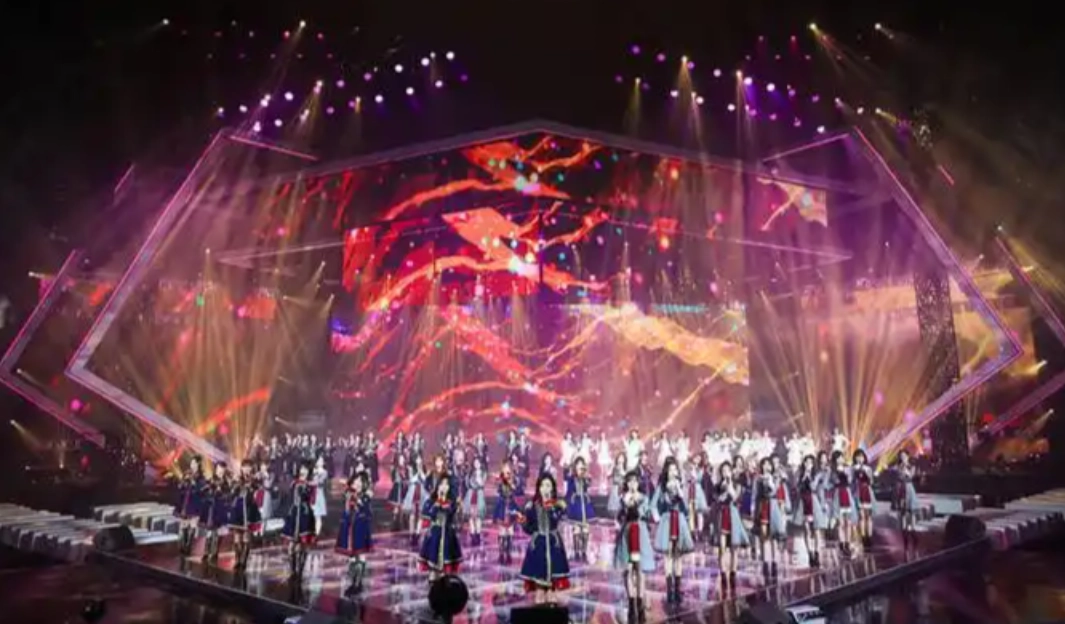
Leveraging SNH48 as a massive training-focused container, it turned traditional artist management into a quantifiable interactive game. Through offline theater performances, general election voting, and handshake ticket sales as monetization levers, SIPAC squeezed young fans' sense of immersion and competitive tendencies to the limit. In this model,the core profit chain relied heavily on long-term, stringent contract binding of its hundreds of trainees and artists.
The company used extremely low upfront training costs to bet on a very small number of breakout top-tier artists, then locked in their commercial value with multi-year or even decade-long management contracts.
However, this extremely fragile contractual relationship collapsed in the face of capital retreat and artists' growing self-awareness.
Following the business and legal litigation track revealed by Qichacha, SIPAC's operational disorder in recent years has long been visible in its underlying records. According to information collected by Qichacha, the company, founded in 2010, not only covers the full chain of performance agency and program production in its business scope, but also has accumulated a large number of contract disputes with former artists and partner suppliers in its historical risk records.
When the top artists with the strongest commercial monetization ability saw their contracts expire or demanded to break away, SIPAC lost its most critical source of revenue.The accumulation of multiple lawsuits and enforcement records silently signals the breakdown of its backend management, as well as the extremely high legal costs incurred in pursuing penalty payments and breach compensation.
What SIPAC faces is not just the departure of a few top artists, but the complete disruption of its entire idol training logic by the times.
In today's entertainment consumption market, short videos and micro-dramas are forcibly reshaping young people's attention ecology. The traditional training path that once required years of theater performances to build popularity now seems long and inefficient compared to the instant gratification driven by algorithms.Young consumers are no longer willing to spend heavily on intangible offline handshakes and online voting, and the average transaction value and repurchase rate of fan economy are undergoing an irreversible decline.
Without the nourishment of massive voting funds, the huge theater rental costs, daily expenses for hundreds of staff, and backend costs quickly transformed from a production capacity moat into a heavy financial burden.
This enforcement ruling of just over 350,000 yuan is nothing more than a dull thud in the decline of an old-era giant.
SIPAC's predicament marks the end of the classic idol model built on buying up youth, stacking crowds of talent, and harvesting fans through high-pressure contracts.When the dividends fade and the old contractual order collapses, entertainment factories that cannot rebuild their revenue-generating mechanisms on the new short-drama and traffic battlegrounds will ultimately be forced into the corner of the era by trivial yet fatal judicial disputes.