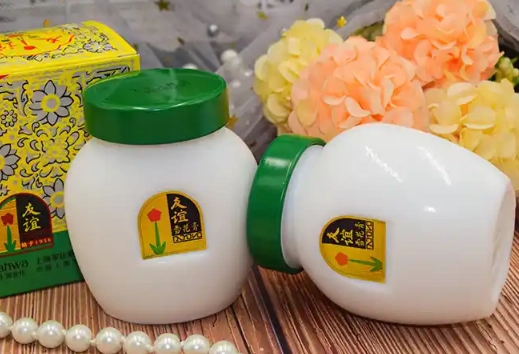
The bankruptcy of Shanghai Snow Flower Cream is in fact the failure of fake national trend speculation, lacking R&D and product strength, and being eliminated in the era of efficacy skincare.
When a bankruptcy ruling from the Pudong New Area People's Court legally declared Shanghai Meilan dead, a wave of nostalgia flooded social media once again. Many blamed the fall of this company, known for its Shanghai-style face cream, on ruthless pressure from emerging beauty brands or an online retail bloodbath that decimated brick-and-mortar channels. This emotional outburst, reducing corporate failure to a simplistic "the times left you behind" narrative, completely obscures the cold, hard business truth behind this bankruptcy case: the so-called Shanghai Meilan was never a heritage brand carrying a century of history—it was a channel opportunist riding the wave of fake retro trends, scraping by on the sale of nostalgic symbols.
Shanghai Meilan Cosmetics Co., Ltd., founded in 2016, bore a strong speculative imprint from day one. In the underlying business records collected by Tianyancha, this company, with a registered capital of 30 million yuan, carried the prestigious face-cream banner, yet its risk-information pipeline had long since turned a sea of red, with layers of delinquent-borrower records and consumption-restriction orders piling up. These glaring records of broken promises on Tianyancha truthfully document the disorder and collapse that followed its funding-chain rupture, revealing the full arc of a fake retro brand's trajectory from unchecked growth to outright abandonment.
Over the past few years, fueled by the traffic surge at tourist attractions, nostalgia-driven products like Shanghai-style face cream found an extremely comfortable path to survival. A few cents' worth of stearic acid and glycerin emulsified into a cream, packed in an ornate tin box adorned with old-Shanghai society lady illustrations, could be sold at souvenir shops in scenic areas for multiples of its cost. The underlying logic of this business was brutally simple: it wasn't really a skincare transaction—it was a one-time souvenir sale.
Consumers bought it for the novelty and emotional comfort of old-Shanghai allure, not out of genuine trust in the product's efficacy, which is precisely why its repurchase rate was virtually zero.
When the consumer market fully pivoted into the era of efficacy-driven skincare and ingredient-savvy shoppers, this crude cream-filling model suffered a devastating blow. Today's cosmetics arena has been reshaped by heavy R&D investment in active ingredients and patented technologies. A few-cents face cream, in an age of ingredient transparency, was quickly debunked for its poor moisturizing performance and harsh fragrance formula.
When younger consumers started scrutinizing ingredient lists and oil-water balance, these ultra-low-margin products, lacking even basic R&D investment, instantly lost any footing in the market.
An even more lethal strike came from shifting retail channels. As tourist-traffic flows receded, companies like Meilan tried to squeeze into the online traffic pool, only to slam into even harsher rules. The online beauty market today has devolved into a brutal arena of high margins and massive marketing spend.
With no high margins, no product strength, and no repurchase loyalty to lean on, Meilan couldn't survive even a single quarter of online traffic bidding.
Shanghai Meilan's bankruptcy is not a lamentable tragedy for domestic brands—it's an extremely healthy market cleanse. Its grim ending sends an unmistakable message to every industry player: the era of registering a nostalgia-drenched company name, wrapping it in a retro paper box, and expecting to harvest consumers is definitively over. Once the nostalgia is fully wrung dry, companies without substantive R&D assets and real product strength to anchor them will ultimately be reduced to hollow shells under the market's most unforgiving scrutiny.