Panasonic China names Nakayama to lead smart-car pivot
Panasonic has replaced long-serving China chief Tetsuro Homma with Masaharu Nakayama, as the group shifts from home appliances to smart auto parts and new energy.
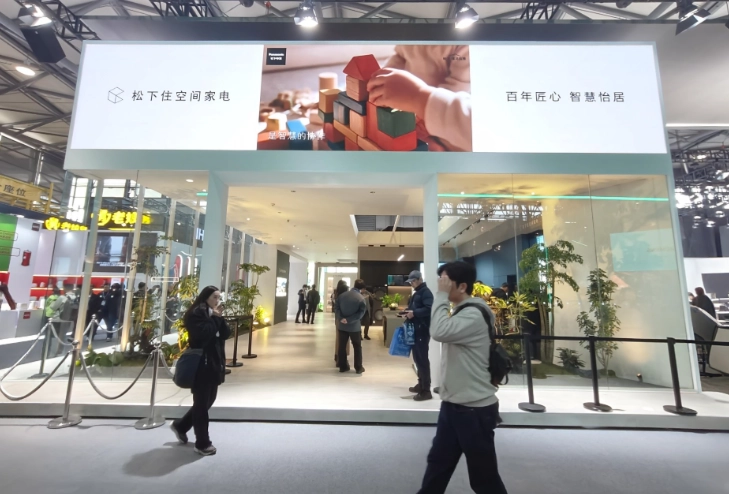
Panasonic Corporation of China has replaced its legal representative and chairman, handing Masaharu Nakayama the top job as the Japanese group shifts its China focus from home appliances to automotive and smart manufacturing.
The change at the head of one of China's largest foreign-owned electronics entities signals how global giants are recasting their local operations as Chinese rivals in new energy vehicles and smart homes squeeze traditional white-goods margins.
Tetsuro Homma, who led the China business for years, has stepped down as legal representative and chairman, according to a business registration change. Nakayama takes over as legal representative and joins as a director.
The company was set up in 1994 with registered capital of 1.76 billion yuan (about $248 million) and is wholly owned by Panasonic Holdings Corporation, according to corporate records database Tianyancha. Its registered business scope covers not only electronics but also consulting, warehousing and road freight agency — functions centered on supply-chain integration and headquarters management.
That makes the entity the coordinating hub for Panasonic's manufacturing plants, R&D centers and sales channels in China.
Under Homma, Panasonic's China operations were moving from an appliance-led business toward three pillars: automotive, housing and cold chain. In automotive battery and electronic components in particular, the company faces close competition from China's fast-growing EV makers.
Nakayama inherits the task of applying Panasonic's global hardware manufacturing base to a market where algorithm updates and supply chains move at extreme speed.
For foreign groups that have been in China for more than three decades, the contest is now defined by precision. Building a brand takes decades of steady delivery; the market can shift in the space of a few technology cycles. How the new leader deploys Panasonic's extensive China supply-chain resources will determine whether the electronics giant holds its core overseas base through the smart-manufacturing wave.