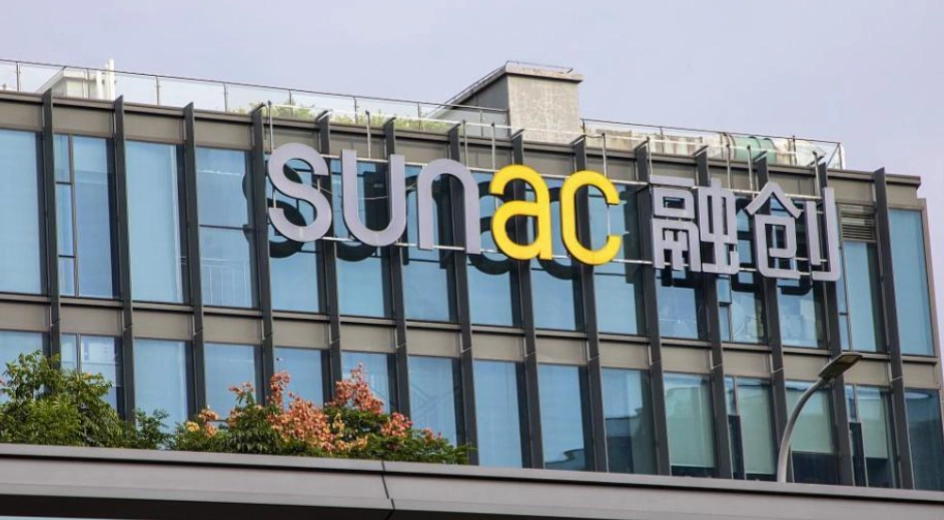
Nanchang Court Resumes Enforcement of Sunac's 2.13 Billion Yuan: The Illusion of Property Firms' Recovery Is Being Shattered by the Judiciary
Sunac faces resumed enforcement of 2.13 billion yuan, signaling the breakdown of debt restructuring, a liquidity black hole, and the risk of a judicial run.
The paper agreement for debt restructuring ultimately cannot conceal the liquidity black hole bleeding out at an alarming rate.
A recent order to resume enforcement issued by the Nanchang Intermediate People's Court in Jiangxi Province has once again thrust Sunac Real Estate Group into the spotlight. The enforcement target of over 2.13 billion yuan is not just a heavy debt burden; it sends an exceptionally chilling signal across the real estate industry: the truce between creditors and distressed developers, barely maintained by the overarching goal of "guaranteeing housing delivery," is being unilaterally torn apart by brutal reality.
Outsiders often assume that once a developer completes a debt extension, it is in the clear, but this massive resumed enforcement case mercilessly punctures that illusion of liquidity.
Judicial Restraint and Its Breakdown in the Debt Resolution Cycle
Throughout a considerable portion of the debt resolution cycle, local judicial systems have generally exercised extreme restraint in enforcing judgments against distressed developers. To safeguard livelihood bottom lines and project deliveries, many enforcement cases against developers were temporarily suspended, forcing creditors to accept lengthy waits or heavily discounted restructuring plans. However, the initiation of resumed enforcement procedures signals that the previous debt understanding has collapsed.
Driving this breakdown from below are the intense anxiety of financial institutions facing their own non-performing asset assessment pressures, and the severe shrinkage in the real liquidation value of the judgment debtor's on-book assets.
Peering Through Corporate Records: The Heavy Underpinnings of a Covert Capital War
By peering through the layers of nested corporate records, we can see the weighty underpinnings of this covert capital war more clearly. According to the corporate archives recorded on Tianyancha, Sunac Real Estate Group, once a real estate empire builder, has a registered capital of 15.015 billion yuan—a colossal figure that once served as its credit cornerstone in the land market. But in the face of a debt backlog, static registered capital and extensive business scope have long lost their significance.
When a registered industry giant frequently appears on lists of resumed enforcement cases, it exposes the drying up of the underlying asset pool. Creditors no longer believe in the grand narrative of trading time for space; they are resorting to judicial force, attempting to carve out a slice of the pie before the remaining quality assets are completely hollowed out.
The Nanchang Ambush: A Preemptive Rush for Asset Preservation and Recovery
The 2.13 billion yuan ambush in Nanchang is by no means an isolated judicial action. It signals that various capital holders are launching a preemptive rush for asset preservation and recovery.
For developers heavily reliant on high turnover, regional project companies were originally meant to serve as isolated risk barriers. But when the parent company falls into dire straits, local creditors, acting in self-defense, will inevitably bypass the project level and directly target the group entity. Once a local court breaks the tacit understanding by resuming massive enforcement, it can easily trigger a herd effect.
Other trusts, banks, and suppliers on the sidelines will quickly follow suit, fearful of becoming the last ones stuck holding the bag of bad debts. This stampede of judicial litigation could lock down the developer's already fragile cash flow in countless frozen accounts.
The Harsh Reality of the Debt Ruins
The debt ruins left behind by the era of frenzied real estate expansion cannot be easily smoothed over with a few extension announcements. The patience of financial institutions is built on expectations of asset appreciation; when the one-sided myth of rising home prices collapses, any promise about the future becomes worthless. In this long and painful deleveraging cycle, the resumed enforcement of 2.13 billion yuan is merely the tip of the iceberg.
Those giants that once tried to weather the winter with delay tactics must now confront a cold reality: when it comes to real debts, there are no miracles in the debt game—only the grim outcome of being sliced away piece by piece by the judicial blade.