Ma Dong Pulls Out, Burying the 'Golden Decade' of Outdoor Reality TV
Miwei Media's withdrawal from Guoshi Culture signals the end of outdoor reality TV's asset-heavy model, as the content industry shifts toward efficiency.
On an ordinary afternoon in June, a low-key industrial and commercial change popped up on Tianyancha—Beijing Miwei Media Co., Ltd. had disappeared from the shareholder list of Beijing Guoshi Culture Media. There was no farewell letter, no official statement, as if the high-profile union a decade ago had never happened.
The spring of 2016 was an entirely different story. "Qipa Shuo" had pushed Ma Dong to the center of the content entrepreneurship table, and Miwei Media's valuation was skyrocketing. Back then, the entire industry believed the ultimate form of content creation was "ecosystems"—using capital to string together the industry chain, from in-studio debates to outdoor reality shows, locking every minute of the audience's attention into one's own domain. Guoshi Culture was brought into the fold amid this collective euphoria, focusing on asset-heavy outdoor variety shows with a registered capital of five million, carrying Miwei's ambition to expand its content empire westward.
A decade is enough time to dry a beautiful dream into a specimen.
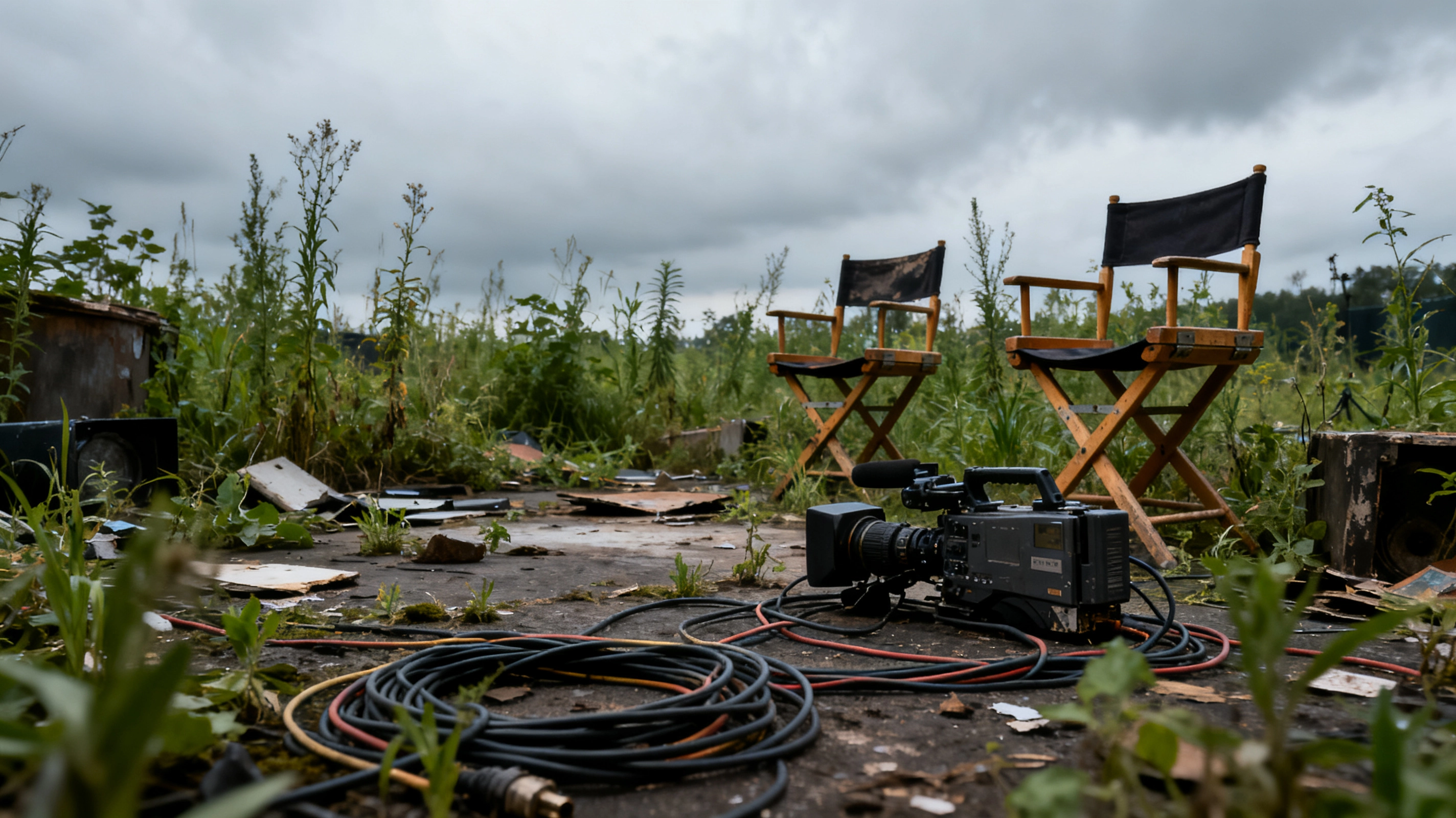
Now, brand marketing departments press ROI calculators more often than directors hit their monitors. The outdoor reality show playbook—with its teams of hundreds, massive equipment rentals, and dependence on sponsor cash infusions—looks like a prehistoric creature on a 2026 budget sheet. Brands want in-studio comedy: fewer people, simpler sets, and clips that can be fed directly into short-video feeds to drive conversions. Efficiency per person. Efficiency per person. Efficiency per person. This isn't an aesthetic downgrade; it's the business world's death sentence for "asset-heavy content." Miwei was never a platform. Even when it produced phenomenon-level shows, it remained essentially a "premium vendor" dependent on iQiyi, Youku, and Mango TV. Without control over distribution channels or a cash-flow moat from subscription revenue, its capital moves felt like frantically piling sandbags onshore as the tide approached. Continuing to hold Guoshi meant explaining to investors every quarter why there was a "strategic asset" on the books that only burned cash and could no longer find advertisers to pay for it.
The exit record on Tianyancha is clean and clear: two natural-person shareholders, Liu Liu and Wang Guijiang, took over entirely. No new capital entered, no industry fund stepped in—like two old sailors pulling back their own lifeboat from a sinking giant ship. It's almost a metaphor: when the tide of the content industry recedes, the only thing you can ultimately hold onto is yourself. Ma Dong hasn't publicly discussed this retreat. But the "content industry chain blueprint" he described at that press conference a decade ago now reads like a footnote to a generation's collective illusion. The era that believed capital could stitch everything together and that content companies could grow into platform giants was officially declared dead in the summer of 2026 by a cold line of industrial and commercial change data. Business never holds a funeral for dreams. It simply coldly rewards those who, in their narrowest lane of expertise, squeeze efficiency to the absolute limit.