Longya Jumps from 800 Million to 1.8 Billion in Two Years: How Tactical Pants Became the Male Lululemon
Capitalizing on men's gear-oriented mindset, Longya replaced traditional apparel premiums with performance specs, growing sales from 800 million to 1.8 billion in two years.
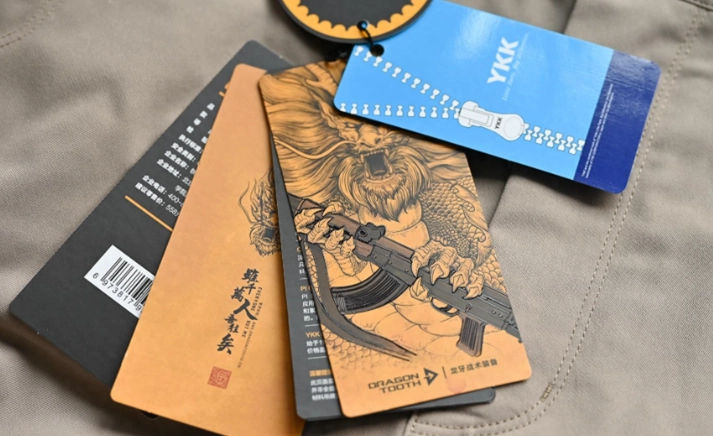
While the domestic menswear market struggles in the stagnant quagmire of shrinking traditional business attire and receding trend-brand gimmicks, a tactical-style brand incubated from a military enthusiast forum has forcefully pushed its annual sales from 800 million to 1.8 billion RMB in just two years. Dragon Tooth's explosive growth has been dubbed by many industry observers as the "Lululemon of menswear." But behind this phenomenal growth lies not simple category luck, but a commercial arbitrage that leverages the psychology of "gear-ification" in menswear to dismantle traditional clothing premiums. Traditional menswear sells style and brand added value, while Dragon Tooth sells performance specs and survival fantasy.
Men's consumption logic differs fundamentally from women's. They strongly resist paying for vague fashion concepts, yet willingly pay premium prices for zipper anti-scratch materials, fabric tear-resistance coefficients, and extreme abrasion performance. Jiang Lei, founder of Tiexue.com, recognized this key pain point over a decade ago. A search of Beijing Tiexue Technology Co., Ltd.'s intellectual property portfolio through the Tianyancha App clearly reveals the qualitative transformation traces of its commercial landscape. Tianyancha information shows that this company, with a registered capital of approximately 120 million RMB, not only registered multiple Dragon Tooth trademarks across various classifications early on, but also directly registered copyrights for a series of hardcore works including Dragon Tooth Wind Tunnel Technology and Dragon Tooth Fourth-Generation Special Operations Windbreaker. This approach of registering an ordinary windbreaker as an industrial technology product for copyright purposes bluntly exposes its ambition to reshape clothing pricing power through "technical parameters."
For Tiexue.com, which initially relied on community traffic, forum advertising monetization from the PC era had long become obsolete under the traffic monopoly of major tech giants. If it had clung to the traditional military enthusiast BBS model, its fate would inevitably have been depletion as community dividends receded. Dragon Tooth's rise is essentially Tiexue.com converting its deeply accumulated, highly sticky military enthusiast community into a high-margin, direct-to-consumer revenue pipeline. They avoided head-on combat with traditional apparel giants in mainstream retail channels, instead using specialty industrial-grade fabrics and extremely hardcore tactical details to package clothing as quantifiable, testable "functional gear for men."
Tracing the equity structure penetration through the Tianyancha system, the shareholding positions of Jiang Lei and institutional investors such as Oriental Fortune highlight capital's favor toward this high-repurchase, high-average-order-value commercial closed loop. However, as Dragon Tooth surges from 800 million toward 1.8 billion and even larger scales, its hidden concerns also emerge. Tactical style, as a niche hardcore aesthetic, inevitably faces a tug-of-war between professional performance and everyday wear comfort once it penetrates the broader mass market. When the exclusivity originally belonging to hardcore military enthusiasts is diluted, whether Dragon Tooth can maintain its industrial-grade pricing power defense while supporting greater brand premium will be the ultimate test of its evolution from a "community spin-off" into a true "menswear giant."