A Million-Follower Gaming Streamer Loses 300,000 Fans and Steps Away from the Internet: The Backlash from Inner Circles and Lax MCN Risk Control
A top-tier streamer loses 300,000 followers after controversial remarks, highlighting the clash between gaming subculture and commercial compliance, with lax MCN risk control as the root cause.
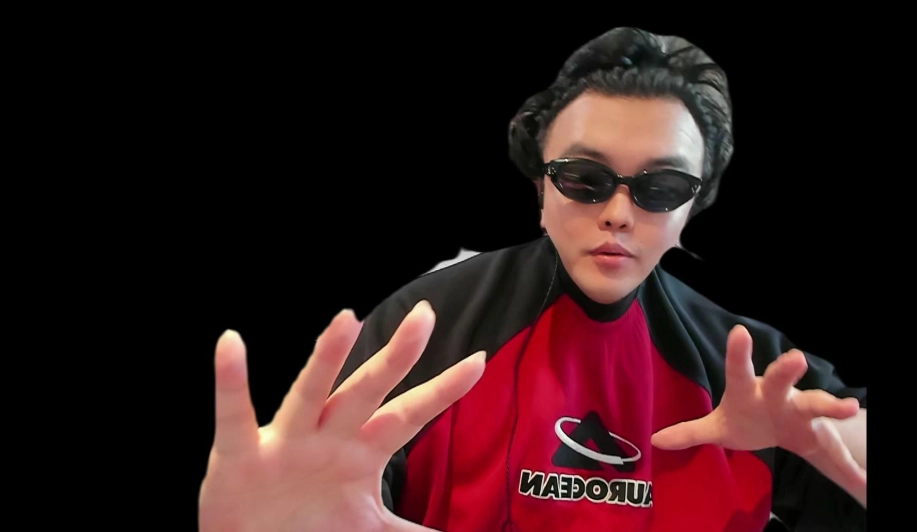
When Tao Heihai, a top gaming streamer with over ten million followers, found himself mired in controversy over an argument during a livestream and egregiously sexist remarks within his inner circle — leading to more than 300,000 followers abandoning him within thirty days and ultimately a lengthy post announcing his temporary departure from the internet — the public outcry largely centered on moral judgments of his personal conduct and emotional lapses. Yet if we look beyond this public relations storm triggered by ill-considered remarks to examine the underlying economics of game streaming and the influencer economy, it becomes clear that this collapse lays bare the irreconcilable clash between the raw, unpolished ethos of gaming streamers as they move from niche subcultures into the mainstream public arena and the demands of modern commercial compliance.
During the early, freewheeling growth phase of game streaming, relying on male-centric audiences and building close-knit communities steeped in fraternal loyalty and unbridled trash talk was the most effective way to forge bonds with fans and drive emotional tipping. This interaction model, nurtured in the hothouse of subculture, often packaged transgressive speech and aggression as authenticity and unpretentiousness. However, once a streamer's following swells past the ten-million mark, the streamer's role fundamentally transforms from a mere gaming companion into a mass-media symbol carrying significant public weight.
Once the fan base broadens to include the general public, the prejudices and hostility once indulged within a private circle become, under the spotlight, a powder keg capable of shattering public decency and social norms.
The Deeper Root of the Collapse: Management Vacuums and Ineffective Risk Controls at MCN Agencies
The deeper root of the collapse lies in the management vacuum and ineffective risk controls that backend MCN agencies maintain when overseeing super-influencers.
Tracing the underlying commercial structure to the agency behind the streamer reveals the fragility of such asset-light operations. Business registration data from Tianyancha shows that Xingbang Huyu (Chengdu) Culture Media Co., Ltd., the MCN affiliate behind Tao Heihai, was established in December 2020, with Tang Liangjie as its legal representative, registered capital of just 1 million RMB, and a business scope covering performance agency and film/TV distribution. The company is jointly held by Beijing Bright Star Culture Media Co., Ltd. and Tang Liangjie.
Behind this typical asset-light equity structure recorded in Tianyancha lies a fragile symbiotic relationship between numerous MCN agencies in China and their top creators.
In terms of revenue sharing, super-streamers with tens of millions of followers hold overwhelming leverage. An MCN with just one million RMB in registered capital effectively becomes a middleman for booking deals and processing revenue splits, and simply lacks the authority to conduct thorough compliance reviews of a streamer's daily on-air behavior, co-streaming guests, or even private social circles. When an agency fails to establish the kind of rigorous early-warning and public-relations firewalls seen in traditional artist management, the streamer's hangers-on and emotional outbursts can, at any moment, destroy the entire traffic base the agency depends on for survival.
Temporary Exit from the Internet: A Defensive Move to Stop Commercial Bleeding
The announced temporary departure from the internet may look like a graceful, reflective retreat, but it is in fact a defensive maneuver to stanch commercial losses. For a top-tier streamer heavily reliant on brand advertising and game-promotion revenue sharing, the fallout from the remarks meant not just the loss of over 300,000 followers, but also mass contract cancellations and claims from brands seeking to avoid reputational risk. Choosing to go offline at the peak of the controversy is a way to prevent the backlash from spreading through commercial partnerships and to wait for public attention to be diluted by the next viral story.
This retreat triggered by remarks made during a livestream serves as a wake-up call for the entire influencer economy built on rough-edged subculture. As the traffic dividends of the wild early days are fully exhausted, the commercial world now imposes unprecedented demands on content creators' professionalism and compliance boundaries. Without decisively severing ties to the vulgar tastes of inner circles, and without developing genuine respect for the public to match their inflated status, even an empire of ten million followers will rapidly crumble under the recurring backlash of uncontrolled speech.