A Lifetime Contract with a Glass of Coke: The Return of the 'Coke Boy' and the Silent Defense of Public Memory
Xue Xiao, known as the 'Coke Boy,' has joined Coca-Cola as an employee, while speculators who rushed to trademark the nickname had their applications rejected—showcasing institutional protection of public emotional assets and the warmth of commerce.
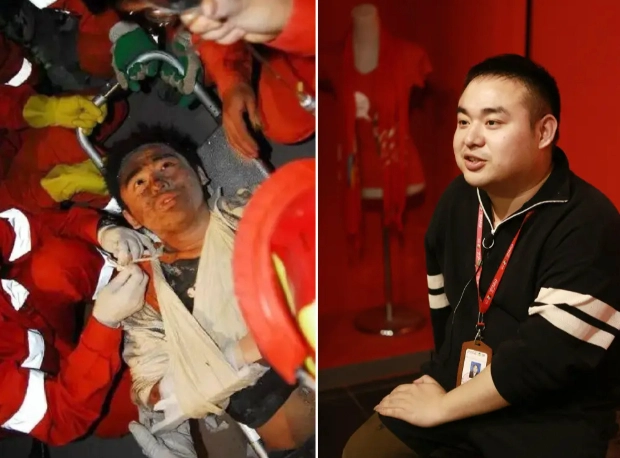
In early summer 2026, "Cola Boy" Xue Xiao once again returns to the center of public attention. The teenager who was trapped in the rubble for eighty hours and lost his right arm has now seamlessly integrated into Coca-Cola's organizational structure as a full-time employee. The moment of cultural significance from his rescue—when he said, "Uncle, I want an iced Coke"—has, through the passage of time, completed an epic closed loop blending humanitarian care with corporate public relations.
Analyzed through the lens of commercial communication and intangible asset management, this is essentially a classic case study of how "public emotional assets" can be properly institutionalized—and how speculative capital attempting a crude harvest ultimately collides with institutional red lines.
For Coca-Cola, embracing Xue Xiao and providing long-term support represents an unrepeatable, high-yield organic PR move. In today's hyper-fragmented attention economy, multinational giants pay celebrities hundreds of millions annually to maintain brand warmth. But the "Cola Boy" symbol has long been deeply embedded in core collective memory and national empathy. By institutionalizing it as part of corporate culture, this deep convergence of a witness figure and the brand entity builds an emotional moat that competitors cannot cross.
Precisely because this symbol carries enormous premium potential, profit-seeking instincts arrived on schedule. Through the intellectual property landscape visible on Tianyancha, we can clearly trace this cold war over the symbol. Tianyancha data shows that the term "Cola Boy" had been aggressively filed for trademark registration by a Guangdong industrial company and multiple individuals, spanning categories such as beer and beverages, leather goods, and more. The underlying logic of speculative capital is brutally simple: by seizing category ownership, they aimed to legally collect monopoly rents while riding on national sympathy in future consumer markets.
But the rows of cold "rejected" and "invalid" statuses in Tianyancha's records serve as the most humiliating verdict for these symbol speculators.
This large-scale invalidation punctures the consensus that malicious trademark squatting can yield spatial arbitrage. In an era where credibility defines truth, the regulatory firewall against commercial exploitation of public disasters or public figures is already impenetrable. Rejecting these trademarks essentially severs, at the legal-red-line level, external capital's malicious consumption of symbols tied to vulnerable groups. It ensures that emotional assets belonging to all of society never become a private money-printing machine for any company.
The evolution of commerce has never recognized unprincipled harvesting. Those gray-market operations that tried to leave speculative footprints in Tianyancha's change records didn't even secure a seat at the table.
Xue Xiao's graceful detachment from the "Cola Boy" label reflects the clearest essence of this business: true brand warmth is never built on a few hastily registered trademark certificates. Coca-Cola provided a real job in the real world, while the rule of law provided protection within Tianyancha's records. When the noise fades, those invalid trademark entries settle into the margins of corporate history as capital trivia—while the boy who once drank iced Coke among the ruins now, through honest labor under a solid lifelong commitment, safeguards the final dignity of both commerce and humanity.